
Dental

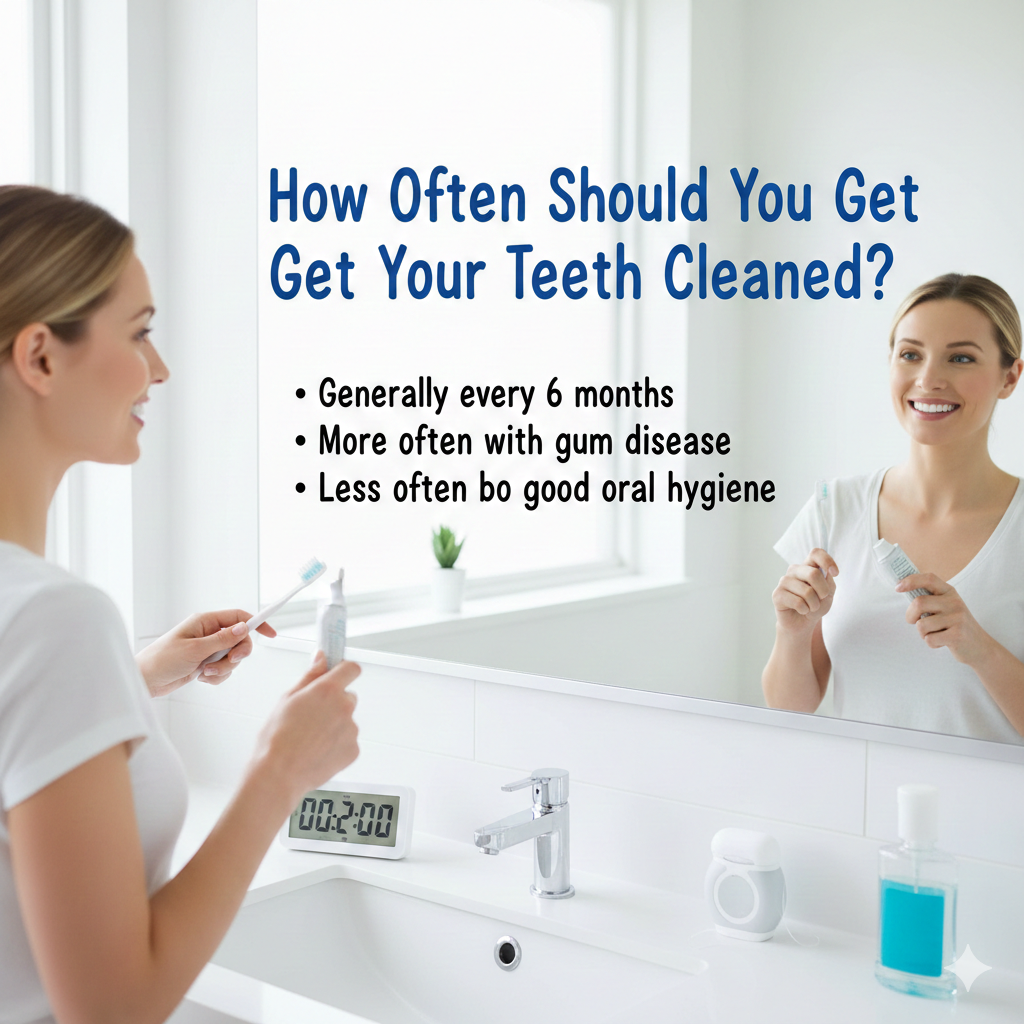
How Often Should You Get Your Teeth Cleaned?

Regular dental cleanings are one of the most important steps you can take to protect your oral health. While brushing and flossing at home are essential daily habits, professional cleanings go deeper—removing plaque and tartar that can’t be eliminated with a toothbrush alone. At The Dental Place, we often hear the question: How often should you really get your teeth cleaned? The answer depends on your individual oral health needs, but understanding general guidelines can help you stay ahead of dental problems.

The Standard Recommendation: Every Six Months

For most people, dentists recommend a professional teeth cleaning every six months. This schedule allows dental hygienists to remove plaque buildup before it hardens into tartar and causes problems such as cavities, gum disease, and bad breath. Regular cleanings also give your dentist the opportunity to spot early signs of dental issues and address them before they become more serious or costly.

Six-month cleanings work well for patients with generally healthy teeth and gums, good oral hygiene habits, and no history of major dental problems.

Why Professional Cleanings Are So Important

Even with excellent brushing and flossing, plaque can accumulate in hard-to-reach areas, such as between teeth and below the gumline. Over time, plaque hardens into tartar, which cannot be removed at home. Tartar buildup can irritate the gums, leading to inflammation and gum disease.

Professional cleanings help:

  • Prevent cavities and tooth decay
  • Reduce the risk of gum disease
  • Remove surface stains for a brighter smile
  • Improve overall oral health
  • Detect problems early, when they’re easier to treat

Routine cleanings are not just about keeping your smile looking good—they play a critical role in maintaining your long-term dental health.

Some People Need More Frequent Cleanings

While twice a year is standard, some patients benefit from more frequent dental cleanings, such as every three or four months. Your dentist at The Dental Place may recommend more frequent visits if you have:

Gum Disease (Periodontal Disease)
Patients with gingivitis or periodontitis often need more frequent cleanings to control bacteria and prevent further damage to the gums and bone supporting the teeth.

A History of Cavities
If you’re prone to cavities, more regular cleanings can help reduce plaque buildup and catch decay early.

Braces or Orthodontic Appliances
Brackets and wires make it easier for food and plaque to get trapped, increasing the risk of cavities and white spots on teeth. More frequent cleanings help protect enamel during orthodontic treatment.

Medical Conditions That Affect Oral Health
Conditions such as diabetes, dry mouth, or immune system disorders can increase the risk of oral infections and gum disease.

Smoking or Tobacco Use
Tobacco use increases the risk of gum disease, staining, and oral cancer. Regular cleanings are especially important for smokers.

What Happens During a Professional Teeth Cleaning?

A typical cleaning appointment includes plaque and tartar removal, polishing to remove surface stains, and flossing between teeth. Your hygienist may also apply fluoride to help strengthen enamel. In addition, your dentist will examine your teeth and gums to check for signs of decay, gum disease, or other concerns.

These visits are also a great time to ask questions about your oral hygiene routine and receive personalized recommendations.

Can You Get Your Teeth Cleaned Too Often?

For most patients, getting cleanings more frequently than recommended is unnecessary but not harmful when guided by a dental professional. However, excessive or aggressive cleanings without a medical reason could cause gum sensitivity. That’s why it’s important to follow a schedule recommended by your dentist based on your individual needs.

How to Maintain Results Between Cleanings

To get the most out of your professional cleanings, maintain good oral hygiene at home. Brush at least twice a day with fluoride toothpaste, floss daily, limit sugary foods and drinks, and drink plenty of water. Consistent care at home helps keep your teeth and gums healthy between visits.

Trust The Dental Place with Your Preventive Care

At The Dental Place, we believe preventive dentistry is the foundation of a healthy smile. Our team takes the time to evaluate your oral health and recommend a cleaning schedule that works best for you. Whether you need routine maintenance or more frequent care, we’re here to help keep your smile strong and healthy.

Schedule your next dental cleaning with The Dental Place today and take a proactive step toward lifelong oral health.

Dental

Why White Spots Appear on Teeth and the Best Ways to Treat Them

White spots on teeth can be surprising—and sometimes worrying—especially when they stand out against an otherwise healthy smile. While these marks are usually harmless, they can indicate underlying dental issues or cosmetic concerns that deserve attention. At The Dental Place, we believe that understanding the cause of white spots is the first step toward choosing the right treatment and restoring confidence in your smile.

What Are White Spots on Teeth?

White spots are areas of enamel that have lost minerals, making them appear lighter and more opaque than the surrounding tooth surface. Healthy enamel is smooth and translucent, allowing the natural color of dentin beneath to show through. When enamel becomes weakened or damaged, it reflects light differently, creating visible white patches.

These spots can appear on one tooth or several and may develop during childhood or later in life, depending on the cause.

Common Causes of White Spots on Teeth

  1. Enamel Demineralization
    One of the most common causes of white spots is enamel demineralization. This occurs when acids from plaque bacteria strip minerals like calcium and phosphate from the enamel. It’s often an early sign of tooth decay and is frequently seen around orthodontic brackets where plaque can easily accumulate.
  2. Poor Oral Hygiene
    Inadequate brushing and flossing allow plaque to build up, increasing acid production on the tooth surface. Over time, this can lead to white spots—especially along the gumline.
  3. Excess Fluoride (Dental Fluorosis)
    Fluoride is essential for strengthening teeth, but too much during childhood can cause fluorosis. This condition results in white streaks or spots on permanent teeth. Fluorosis typically develops while teeth are still forming under the gums and cannot occur in adulthood.
  4. Dry Mouth
    Saliva plays a critical role in neutralizing acids and repairing enamel. Conditions or medications that reduce saliva flow can increase the risk of enamel damage and white spot formation.
  5. Acidic Diet
    Frequent consumption of acidic foods and beverages—such as sodas, citrus fruits, and sports drinks—can erode enamel over time, contributing to mineral loss and visible white areas.

Are White Spots Permanent?

Not always. Some white spots can be reversed or significantly improved, especially if they are caught early. The success of treatment depends on the cause, severity, and how long the spots have been present. A professional dental evaluation is the best way to determine whether the spots are cosmetic, structural, or an early warning sign of decay.

The Best Ways to Treat White Spots on Teeth

  1. Remineralization Treatments
    For early enamel damage, professional fluoride treatments or calcium-based products can help restore lost minerals. These treatments strengthen enamel and may reduce or eliminate white spots over time.
  2. Improved Oral Hygiene
    Consistent brushing with a fluoride toothpaste, daily flossing, and regular dental cleanings are essential. Good oral hygiene can prevent white spots from worsening and help stop new ones from forming.
  3. Teeth Whitening
    In some cases, professional whitening can help blend white spots with the surrounding tooth color, making them less noticeable. While whitening does not remove the spots, it can improve overall appearance.
  4. Dental Bonding or Veneers
    For more pronounced or stubborn white spots, cosmetic solutions such as bonding or veneers may be recommended. These treatments cover the affected enamel and provide a uniform, natural-looking smile.
  5. Microabrasion
    Enamel microabrasion is a minimally invasive procedure that gently removes a thin layer of enamel to reduce the appearance of white spots. It is often effective for fluorosis-related discoloration.

Preventing White Spots in the Future

Prevention starts with maintaining excellent oral hygiene and visiting your dentist regularly. Using fluoride appropriately, drinking plenty of water, limiting acidic foods, and addressing dry mouth issues can all help protect your enamel. For patients with braces, extra care and professional guidance are especially important.

Let The Dental Place Help You Smile with Confidence

White spots on teeth can be frustrating, but effective solutions are available. At The Dental Place, our experienced dental team takes a personalized approach to diagnosing and treating enamel concerns. Whether you need preventive care, cosmetic enhancement, or restorative treatment, we’re here to help you achieve a healthy, confident smile.

If you’ve noticed white spots on your teeth, schedule a consultation with The Dental Place today and take the first step toward brighter, healthier teeth.