Dental

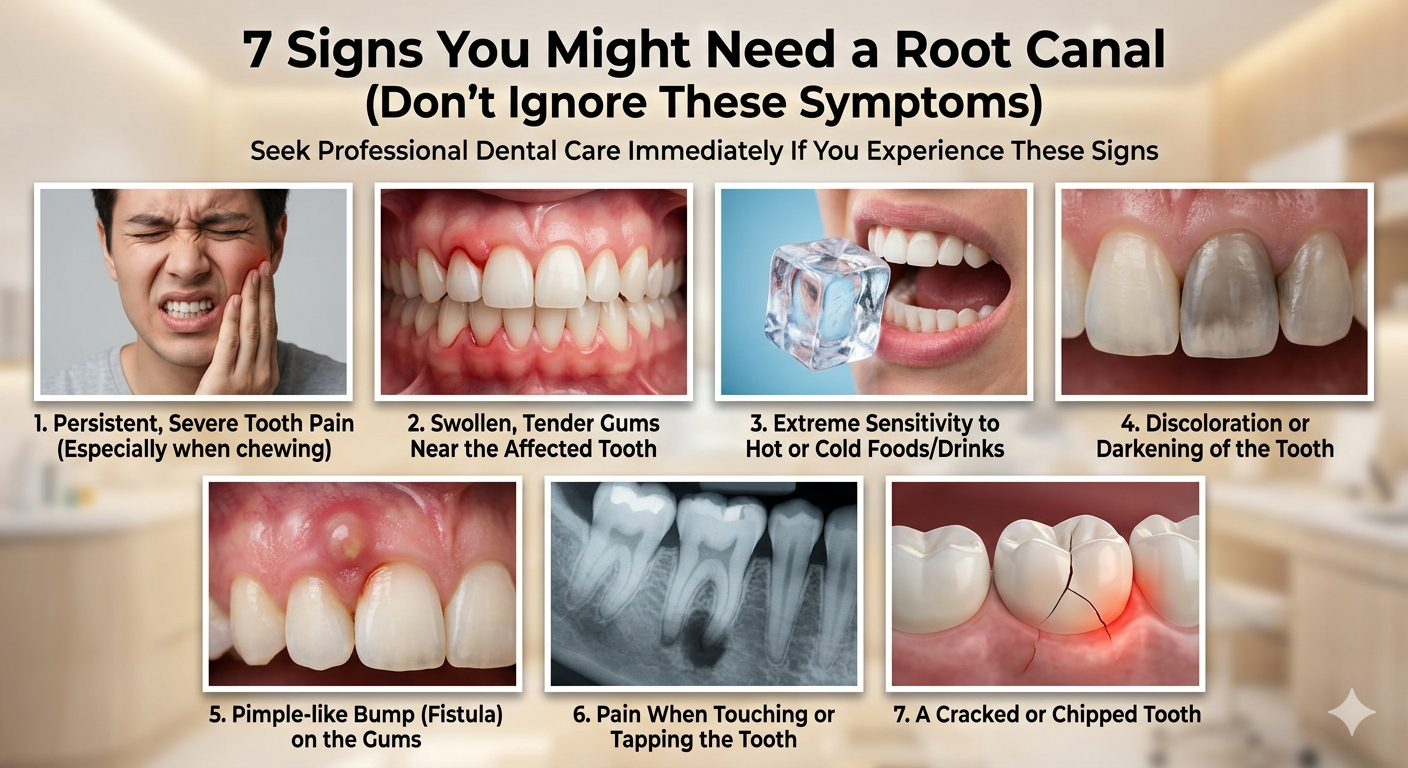
7 Signs You Might Need a Root Canal (Don’t Ignore These Symptoms)

A healthy smile is essential for your comfort, confidence, and overall well-being. However, when a tooth becomes severely infected or damaged, it can lead to significant pain and serious oral health complications. In many cases, a root canal treatment can save the affected tooth and relieve discomfort before the problem worsens.

At The Dental Place, we often see patients who delay treatment because they are unsure whether their symptoms are serious. Recognizing the warning signs early can help protect your oral health and prevent more extensive dental procedures in the future.

Here are seven important signs you might need a root canal and why you should never ignore them.

What Is a Root Canal?

A root canal is a dental procedure used to treat infection or damage inside a tooth. Deep within every tooth is soft tissue called pulp, which contains nerves and blood vessels. When this pulp becomes infected due to decay, cracks, trauma, or repeated dental procedures, it can cause pain and inflammation.

During a root canal, the infected pulp is removed, the inside of the tooth is cleaned and disinfected, and the tooth is sealed to prevent further infection. This treatment helps save your natural tooth while eliminating pain.

  1. Persistent Tooth Pain

One of the most common signs you may need a root canal is ongoing tooth pain. While occasional tooth sensitivity can be normal, constant or severe pain is often a warning sign of deeper infection.

The pain may:

  • Occur while chewing or biting
  • Feel sharp, throbbing, or deep
  • Spread to the jaw, ear, or nearby teeth
  • Continue even when you are not eating

If tooth pain does not go away or keeps returning, it is important to schedule a dental evaluation as soon as possible.

  1. Sensitivity to Hot and Cold

Temporary sensitivity after consuming hot coffee or cold ice cream is common. However, prolonged sensitivity that lingers long after the temperature exposure may indicate nerve damage inside the tooth.

You may notice:

  • Sharp pain when drinking hot beverages
  • Discomfort from cold foods
  • Sensitivity that lasts several seconds or longer

This symptom often suggests that the tooth pulp is inflamed or infected and may require root canal treatment.

  1. Swollen or Tender Gums

Swelling around a tooth can signal an infection beneath the gum line. In some cases, the swelling may come and go, while other times it may become painful or noticeable.

Signs to watch for include:

  • Tender gums near a specific tooth
  • Puffiness or swelling
  • A small bump or pimple on the gums
  • Drainage or an unpleasant taste in the mouth

An untreated dental infection can spread to surrounding tissues, making prompt treatment essential.

  1. Darkening or Discoloration of a Tooth

A tooth that suddenly becomes gray, dark yellow, or discolored may be experiencing internal damage. This often occurs when the tooth’s nerve tissue begins to die due to trauma or infection.

Unlike surface stains caused by food or drinks, discoloration related to nerve damage usually affects only one tooth. A dentist can determine whether a root canal is necessary to save the tooth.

  1. Pain When Chewing or Touching the Tooth

If biting down causes pain or pressure sensitivity, the tooth’s inner pulp may be infected. This discomfort often worsens over time and may indicate inflammation around the tooth root.

You may experience:

  • Pain while eating
  • Discomfort when touching the tooth
  • Pressure sensitivity
  • Difficulty chewing on one side

Ignoring this symptom can allow the infection to progress and potentially lead to tooth loss.

  1. A Cracked or Chipped Tooth

A cracked or chipped tooth may expose the inner pulp to bacteria, increasing the risk of infection. Dental injuries can occur from accidents, sports activities, chewing hard foods, or grinding teeth.

Even if the crack seems minor, bacteria can enter the tooth and cause serious complications over time. If you have damaged a tooth and begin experiencing pain or sensitivity, it is important to seek dental care promptly.

  1. A Persistent Pimple on the Gums

A small bump or pimple-like area on the gums, known as a dental abscess, is often a sign of infection. This bump may release pus or fluid and can sometimes produce a foul odor or bad taste.

An abscess is a serious dental issue that should never be ignored. Without treatment, the infection can spread to other areas of the mouth and body.

Why Early Treatment Matters

Delaying treatment for an infected tooth can lead to worsening pain, bone loss, abscess formation, and even tooth extraction. Root canal therapy is designed to stop the infection while preserving your natural tooth structure.

Modern root canal procedures are safe, effective, and much more comfortable than many people expect. With today’s advanced dental technology and anesthesia techniques, most patients experience relief rather than discomfort during treatment.

When to See Your Dentist

If you notice any of these symptoms, do not wait for the pain to become unbearable. Early diagnosis can make treatment simpler and help prevent complications.

At The Dental Place, our experienced dental team is committed to providing gentle, personalized care to restore your oral health and comfort. Whether you are dealing with tooth pain, swelling, or sensitivity, we are here to help you protect your smile with effective treatment options.

Schedule an appointment today to learn whether a root canal may be the right solution for your dental health needs.

Dental Teeth

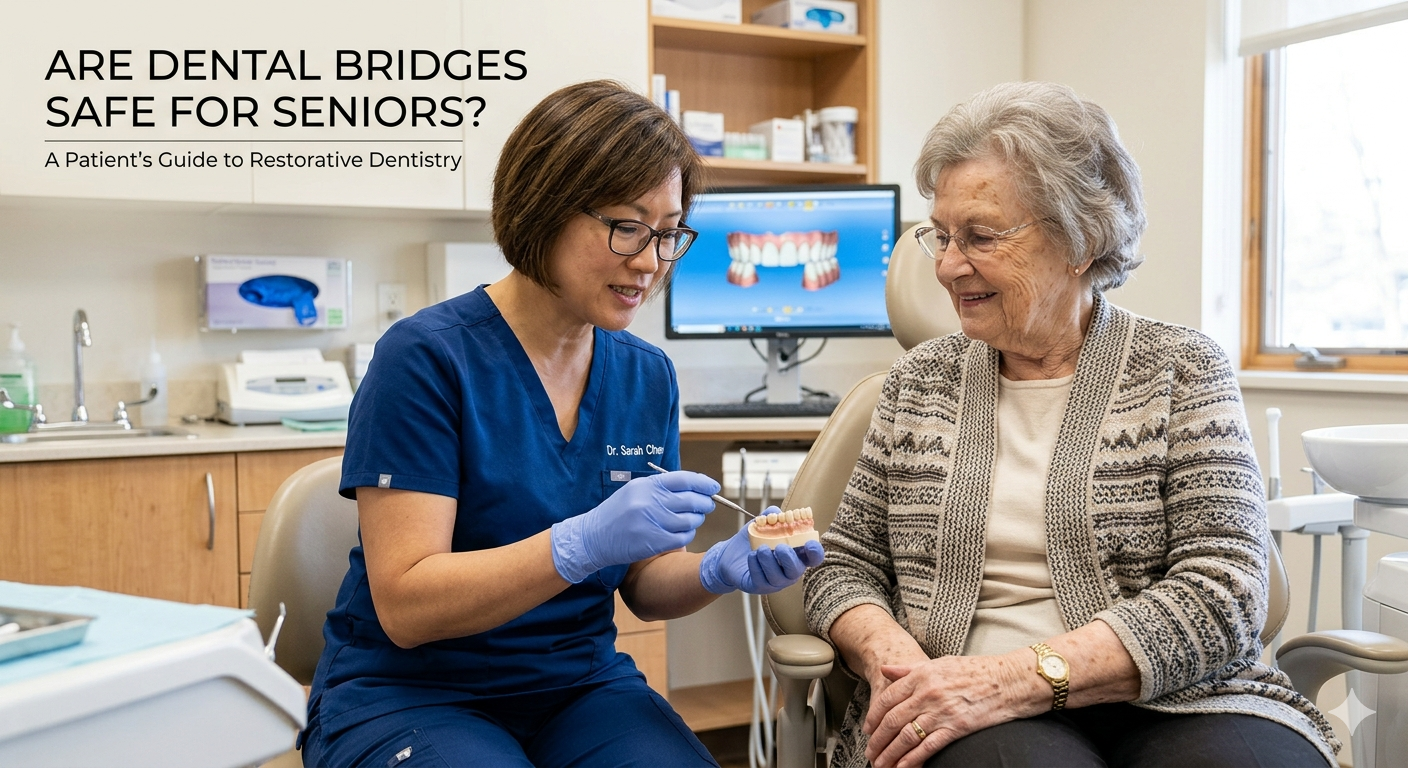
Are Dental Bridges Safe for Seniors?

Tooth loss is a common dental concern among older adults, but it does not have to affect quality of life. Missing teeth can make everyday activities like eating, speaking, and smiling more difficult. Fortunately, modern dentistry offers several reliable solutions, including dental bridges. Many seniors considering tooth replacement often ask, “Are dental bridges safe for seniors?” The answer is yes. Dental bridges are generally safe, effective, and widely recommended for older adults who want to restore their smile and oral function.

At The Dental Place, we understand the importance of comfortable, long-lasting dental solutions for seniors. Dental bridges can help improve both oral health and confidence when properly placed and maintained.

What Is a Dental Bridge?

A dental bridge is a fixed dental restoration used to replace one or more missing teeth. It works by filling the gap with an artificial tooth, called a pontic, that is supported by nearby natural teeth or dental implants.

There are several types of dental bridges available, including:

  • Traditional bridges
  • Cantilever bridges
  • Maryland bridges
  • Implant-supported bridges

The right type of bridge depends on the patient’s oral health, the location of the missing teeth, and overall treatment goals.

Why Tooth Replacement Matters for Seniors

Many seniors assume missing teeth are simply a natural part of aging, but untreated tooth loss can lead to several oral health issues. Missing teeth may cause:

  • Difficulty chewing healthy foods
  • Speech problems
  • Jawbone deterioration
  • Shifting of nearby teeth
  • Changes in facial appearance
  • Lower self-confidence

Replacing missing teeth with a dental bridge can help prevent these complications while restoring normal oral function.

Are Dental Bridges Safe for Older Adults?

Dental bridges are considered a safe and proven treatment option for seniors. Age alone does not determine whether someone is a good candidate for a bridge. Instead, dentists evaluate overall oral health, gum condition, and the strength of the surrounding teeth.

Before recommending a dental bridge, your dentist will perform a complete examination that may include X-rays and a review of your medical history. This helps ensure the treatment is both safe and successful.

For many seniors, dental bridges provide a less invasive alternative to dental implants while offering more stability than removable dentures.

Benefits of Dental Bridges for Seniors

Improved Chewing and Eating

Missing teeth can make it difficult to eat certain foods, especially healthy options like fruits, vegetables, and lean meats. Dental bridges restore bite function, making it easier for seniors to maintain a balanced and nutritious diet.

Better Speech

Teeth play an important role in clear pronunciation. Gaps caused by missing teeth can affect speech patterns. A dental bridge helps improve speech clarity and communication.

Enhanced Appearance

A complete smile can make a significant difference in self-esteem and social confidence. Dental bridges are designed to look natural and blend seamlessly with surrounding teeth.

Prevents Teeth from Shifting

When teeth are missing, neighboring teeth may gradually shift into the empty space. This movement can cause bite problems and increase the risk of additional dental issues. Bridges help maintain proper alignment.

Comfortable and Stable

Unlike removable dentures, dental bridges are fixed in place. Many seniors appreciate the stability and convenience they provide during daily activities such as eating and speaking.

Are There Any Risks?

Although dental bridges are generally safe, there are some considerations seniors should keep in mind.

Gum Health Is Important

Healthy gums are essential for supporting a dental bridge. Seniors with gum disease may need treatment before receiving a bridge.

Supporting Teeth Must Be Strong

Traditional bridges rely on nearby teeth for support. These teeth need to be healthy and strong enough to hold the bridge securely.

Oral Hygiene Matters

Bridges require proper cleaning to prevent plaque buildup and decay around supporting teeth. Special flossing tools and regular dental visits can help maintain oral health.

Normal Wear Over Time

Like other dental restorations, bridges may eventually need repair or replacement after years of use. With good care, however, many bridges can last well over a decade.

Tips for Caring for Dental Bridges

Seniors can extend the life of their dental bridge by following a few simple oral care habits:

  • Brush teeth twice daily with fluoride toothpaste
  • Floss carefully around the bridge
  • Use interdental brushes or floss threaders if recommended
  • Visit the dentist regularly for checkups and cleanings
  • Avoid chewing hard objects such as ice or hard candies

Good oral hygiene is the key to keeping both the bridge and surrounding teeth healthy.

Dental Bridges vs. Dentures for Seniors

Both bridges and dentures can replace missing teeth, but they offer different advantages. Dental bridges are fixed and generally feel more natural and secure. Dentures, on the other hand, may be recommended when multiple teeth are missing.

The best option depends on several factors, including oral health, budget, and personal preference. A consultation with a dental professional can help determine the most suitable treatment.

Final Thoughts

Dental bridges are a safe and effective solution for many seniors dealing with missing teeth. They can improve chewing ability, speech, appearance, and overall oral health. With proper care and regular dental visits, dental bridges can provide long-lasting comfort and confidence.

At The Dental Place, our team is dedicated to helping seniors achieve healthy, functional smiles with personalized dental care. If you are considering a dental bridge, Contact our team to guide you through every step of the process and help you find the best solution for your needs.

Dental

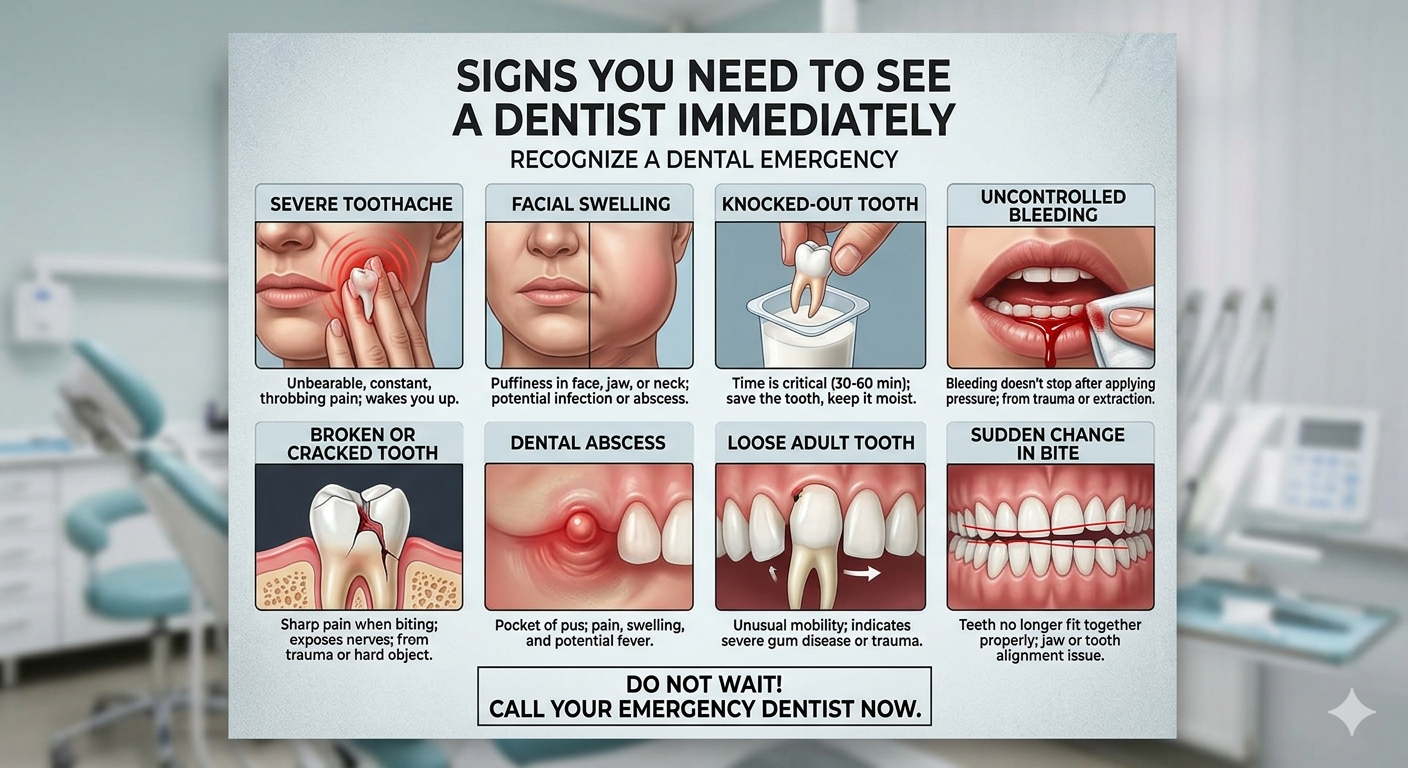
Signs You Need to See a Dentist Immediately

Oral health problems don’t always develop slowly—some symptoms can signal urgent issues that require immediate attention. Ignoring these warning signs can lead to more serious complications, increased pain, and higher treatment costs. At The Dental Place, we believe that recognizing early symptoms can help you protect your smile and overall health. Here are the key signs that mean you should see a dentist right away.

  1. Severe Tooth Pain

Persistent or intense tooth pain is never normal. It could indicate deep decay, an infection, or even an abscess. If the pain worsens when you bite or is accompanied by swelling, it’s a strong sign that immediate treatment is needed. Delaying care can allow the infection to spread, making the problem more serious.

  1. Swollen or Bleeding Gums

Occasional mild bleeding while brushing may not be alarming, but frequent bleeding, swelling, or tenderness in the gums could be a sign of gum disease. Advanced gum infections can lead to tooth loss and may even impact your overall health. If your gums look red, puffy, or bleed easily, it’s time to visit your dentist without delay.

  1. Sudden Tooth Sensitivity

If you suddenly experience sharp pain when eating hot, cold, or sweet foods, it may indicate enamel erosion, cavities, or exposed tooth roots. While sensitivity can sometimes be mild, sudden or severe sensitivity should be checked immediately to prevent further damage.

  1. Broken, Chipped, or Knocked-Out Tooth

Dental trauma is a clear sign that you need urgent care. A broken or chipped tooth can expose the inner layers of the tooth, increasing the risk of infection. If a tooth is knocked out, acting quickly can make the difference between saving and losing it. Keep the tooth moist and visit The Dental Place as soon as possible for the best chance of restoration.

  1. Persistent Bad Breath or Bad Taste

Chronic bad breath (halitosis) or a constant bad taste in your mouth can signal underlying dental problems such as infections, gum disease, or decay. If brushing and mouthwash don’t help, it’s important to get a professional evaluation.

  1. Loose or Shifting Teeth

Adult teeth should never feel loose. If you notice movement or changes in how your teeth fit together when you bite, it may be due to bone loss caused by advanced gum disease. Early intervention is crucial to prevent tooth loss.

  1. Swelling in the Face or Jaw

Swelling around your face, jaw, or neck could indicate a serious infection, such as a dental abscess. This condition can be dangerous if left untreated, as the infection can spread to other parts of the body. Immediate dental care is essential in such cases.

  1. Sores That Don’t Heal

Mouth sores, ulcers, or patches that don’t heal within two weeks should never be ignored. While many sores are harmless, some could be signs of oral infections or even oral cancer. Early diagnosis greatly improves treatment outcomes.

  1. Difficulty Chewing or Opening Your Mouth

Pain while chewing or difficulty opening your mouth could be linked to infections, jaw issues, or impacted teeth. These symptoms can worsen over time, so it’s important to seek prompt dental evaluation.

  1. Pus or Signs of Infection

The presence of pus around your gums or teeth is a clear indication of infection. You may also notice a pimple-like bump on your gums. This requires immediate attention, as untreated infections can lead to serious health complications.

Why Immediate Dental Care Matters

Ignoring dental symptoms can turn a small issue into a major problem. What might start as a simple cavity could progress into a painful infection requiring more complex treatment. Seeking timely care not only relieves discomfort but also helps preserve your natural teeth and reduces long-term costs.

At The Dental Place, our experienced team is dedicated to providing prompt, effective care in a comfortable environment. Whether you’re dealing with sudden pain, injury, or unusual symptoms, we’re here to help you get back to a healthy, confident smile.

When in Doubt, Get It Checked

If you’re unsure whether your symptoms are serious, it’s always better to be cautious. Early diagnosis can make all the difference. Don’t wait for the pain to worsen—schedule an appointment with The Dental Place and take the first step toward protecting your oral health.

Dental

Root Canal (RCT) Recovery: Essential Tips for Healing and Aftercare

A root canal treatment (RCT) is one of the most effective procedures in modern dentistry for saving a severely damaged or infected tooth. While many people feel anxious when they hear the term “root canal,” the truth is that it is a safe and routine procedure designed to relieve pain and restore oral health. At The Dental Place, we prioritize patient comfort and proper aftercare guidance to ensure a smooth recovery after root canal treatment.

Understanding how to care for your tooth after an RCT is essential for quick healing and long-term success. With the right precautions and dental hygiene habits, most patients recover quickly and return to their normal routine within a few days.

What Happens After a Root Canal?

During a root canal procedure, the infected or damaged pulp inside the tooth is removed. The dentist then cleans and disinfects the root canals before sealing the tooth to prevent further infection. In many cases, a dental crown is placed afterward to strengthen and protect the treated tooth.

After the procedure, it is normal to experience mild discomfort or sensitivity for a few days. This occurs because the surrounding tissues need time to heal. However, the pain caused by the infection itself is usually relieved immediately after treatment.

Common Symptoms During Recovery

Most patients experience minimal side effects after a root canal. Some common temporary symptoms include:

  • Mild pain or soreness around the treated tooth
  • Sensitivity when biting or chewing
  • Slight swelling in the surrounding gums
  • Jaw tenderness due to keeping the mouth open during the procedure

These symptoms usually improve within a few days. Over-the-counter pain relievers or medications prescribed by your dentist can help manage discomfort.

Essential Tips for Root Canal Recovery

Proper aftercare is crucial for healing and protecting the treated tooth. Here are some essential recovery tips recommended by dental professionals at The Dental Place.

  1. Avoid Chewing on the Treated Tooth Initially

Until your dentist places a permanent crown or restoration, the treated tooth may be temporarily weaker. Try to avoid chewing hard foods on that side of the mouth for a few days. This prevents unnecessary pressure and reduces the risk of damage.

  1. Maintain Good Oral Hygiene

Keeping your mouth clean is extremely important after a root canal. Brush your teeth twice a day and floss regularly, but be gentle around the treated area. Proper oral hygiene prevents bacteria from causing new infections.

  1. Take Prescribed Medications

If your dentist prescribes antibiotics or pain medication, take them exactly as directed. These medications help control infection, reduce inflammation, and keep you comfortable during the healing process.

  1. Eat Soft Foods

For the first few days after treatment, choose soft foods that are easy to chew. Foods like yogurt, mashed potatoes, smoothies, soups, and scrambled eggs are good options. Avoid very hard, crunchy, or sticky foods until the tooth is fully restored.

  1. Manage Swelling if Needed

If you experience mild swelling, applying a cold compress to the outside of the cheek for 10–15 minutes can help reduce inflammation and discomfort.

  1. Avoid Smoking and Alcohol

Smoking and alcohol can slow down the healing process and increase the risk of infection. It is best to avoid these habits for at least a few days after the procedure.

  1. Attend Follow-Up Appointments

Follow-up visits are essential to ensure the tooth is healing properly. In many cases, a dental crown is recommended to protect the treated tooth from future damage. At The Dental Place, we closely monitor every patient’s recovery to ensure long-term success.

When to Contact Your Dentist

Although complications after a root canal are rare, you should contact your dentist if you notice any of the following symptoms:

  • Severe pain that does not improve after several days
  • Significant swelling in the gums or face
  • An allergic reaction to medications
  • A cracked or broken temporary filling

Prompt attention can prevent small issues from becoming more serious problems.

Long-Term Care After Root Canal Treatment

A tooth that has undergone root canal therapy can last a lifetime with proper care. Once a permanent crown is placed, the tooth functions just like a natural tooth. Maintaining regular dental checkups, brushing, flossing, and a healthy diet will help keep your restored tooth strong and infection-free.

Why Choose The Dental Place for Root Canal Treatment?

At The Dental Place, we combine modern dental technology with compassionate care to make root canal treatment as comfortable as possible. Our experienced dental professionals use advanced techniques to ensure precise treatment and faster recovery.

We also provide personalized aftercare guidance so that every patient feels confident about their healing process. Our goal is not just to treat dental problems but to help our patients maintain long-term oral health and a confident smile.

Final Thoughts

Root canal treatment is a reliable and effective solution for saving infected or damaged teeth. With proper recovery care and good oral hygiene habits, healing is usually quick and comfortable. By following your dentist’s instructions and attending follow-up visits, you can ensure the treated tooth remains healthy for many years.

If you are experiencing tooth pain or suspect an infection, the team at The Dental Place is here to help with expert care and personalized treatment solutions. Your healthy smile is always our top priority.

Dental

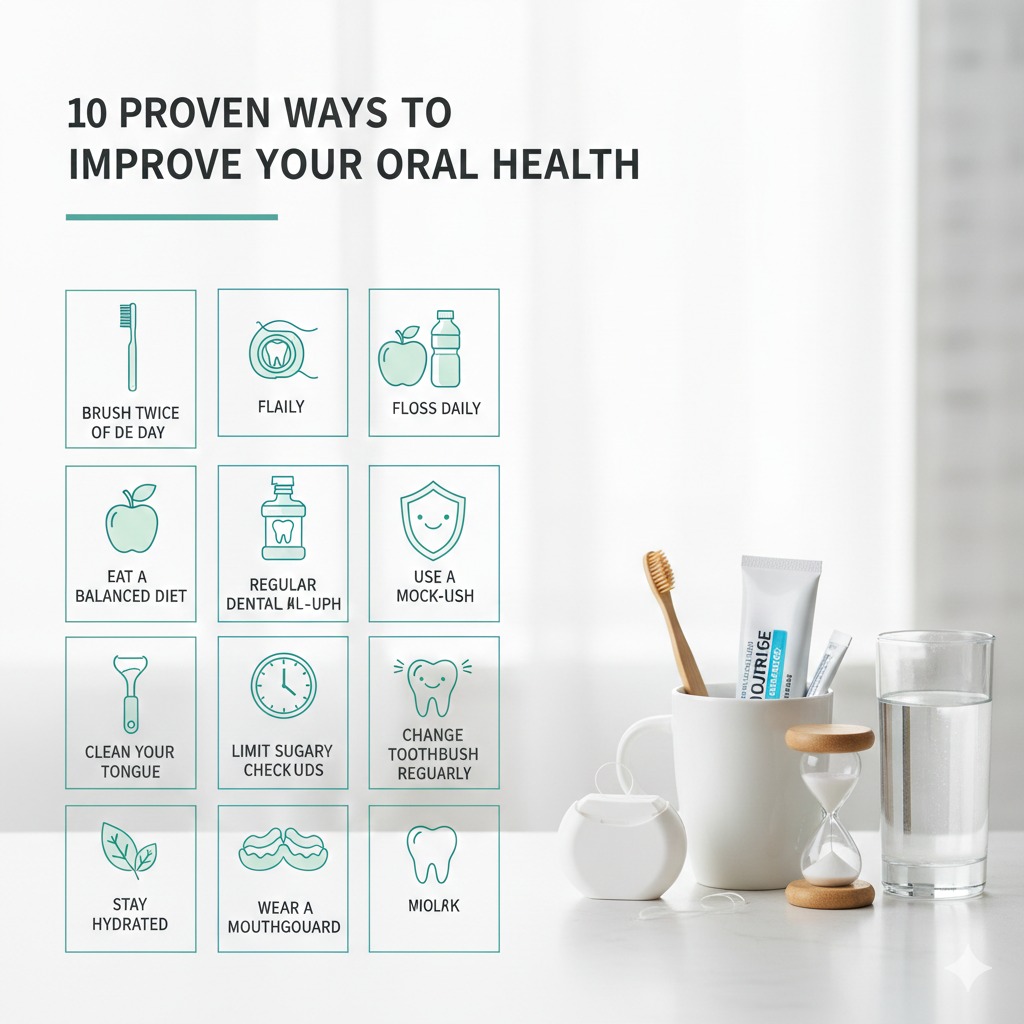
10 Proven Ways to Improve Your Oral Health

A healthy smile is about more than just looking good—it plays a vital role in your overall health and confidence. At The Dental Place, we believe great oral health starts with simple daily habits backed by professional care. Whether you’re trying to prevent cavities, improve gum health, or keep your teeth strong for life, these proven tips can make a real difference.

Here are 10 effective ways to improve your oral health and keep your smile at its best.

  1. Brush Twice a Day (the Right Way)

Brushing twice daily is essential, but technique matters just as much as frequency. Use a soft-bristled toothbrush and fluoride toothpaste, brushing gently in circular motions for at least two minutes. Don’t forget to clean along the gumline, where plaque loves to hide.

  1. Don’t Skip Flossing

Flossing once a day removes plaque and food particles from places your toothbrush can’t reach—especially between teeth. Regular flossing helps prevent cavities, gum disease, and bad breath. If traditional floss feels tricky, floss picks or water flossers are great alternatives.

  1. Use Mouthwash for Extra Protection

An antimicrobial or fluoride mouthwash can reduce bacteria, strengthen enamel, and freshen breath. Mouthwash isn’t a replacement for brushing and flossing, but it’s a powerful addition to your daily routine.

  1. Limit Sugary and Acidic Foods

Sugary snacks and acidic drinks feed harmful bacteria that cause tooth decay. Try to limit sodas, sweets, and processed foods. When you do indulge, rinse your mouth with water afterward and wait at least 30 minutes before brushing to protect your enamel.

  1. Drink Plenty of Water

Water helps wash away food particles and bacteria while keeping your mouth hydrated. Fluoridated water also strengthens tooth enamel and helps prevent cavities. Sipping water throughout the day is one of the easiest ways to support oral health.

  1. Eat Tooth-Friendly Foods

A balanced diet supports strong teeth and healthy gums. Foods rich in calcium (like dairy products), phosphorus (such as eggs and fish), and vitamins A and C (found in fruits and vegetables) help protect and repair your teeth and gums naturally.

  1. Replace Your Toothbrush Regularly

Over time, toothbrush bristles wear out and become less effective. Replace your toothbrush—or electric toothbrush head—every three to four months, or sooner if the bristles are frayed.

  1. Don’t Ignore Your Gums

Healthy gums are just as important as healthy teeth. Redness, swelling, bleeding, or persistent bad breath can be early signs of gum disease. If you notice any of these symptoms, schedule a dental visit as soon as possible. Early treatment can prevent serious problems down the line.

  1. Avoid Tobacco Products

Smoking and chewing tobacco significantly increase the risk of gum disease, tooth loss, oral cancer, and stained teeth. Quitting tobacco is one of the best decisions you can make for both your oral and overall health—and your smile will thank you.

  1. Visit Your Dentist Regularly

Routine dental checkups and professional cleanings are key to long-term oral health. At The Dental Place, we recommend visiting your dentist every six months. Regular exams allow us to catch issues early, provide thorough cleanings, and help you maintain a healthy, confident smile.

Your Smile Starts Here

Improving your oral health doesn’t require drastic changes—just consistency, smart habits, and professional support. At The Dental Place, our experienced dental team is here to guide you every step of the way, from preventive care to advanced treatments.

If it’s been a while since your last dental visit, or if you’re ready to take better care of your smile, book an appointment with The Dental Place today. Your healthiest smile starts with us.

Dental

You’ll Be Smiling Again With Dental Implants

Missing teeth can affect far more than just your appearance. They can make eating uncomfortable, impact your speech, and lower your confidence in social situations. At The Dental Place, we understand how deeply a healthy, complete smile can influence your quality of life. That’s why dental implants have become one of the most trusted and transformative solutions in modern dentistry.

If you’re living with one or more missing teeth, dental implants may be the long-term solution that helps you smile again—comfortably and confidently.

What Are Dental Implants?

Dental implants are artificial tooth roots, typically made from biocompatible titanium, that are surgically placed into the jawbone. Once healed, they support a crown, bridge, or denture that looks and functions like natural teeth. Unlike removable options, dental implants are fixed in place, making them strong, stable, and long-lasting.

Why Missing Teeth Shouldn’t Be Ignored

When a tooth is lost, the jawbone in that area begins to shrink due to lack of stimulation. Over time, this bone loss can affect your facial structure, cause neighboring teeth to shift, and make future dental treatments more complicated. Missing teeth can also make chewing uneven, leading to jaw discomfort and digestive issues.

Dental implants help prevent these problems by replacing both the tooth and its root, preserving bone health and maintaining the natural shape of your face.

The Benefits of Dental Implants

Dental implants are considered the gold standard for tooth replacement—and for good reason. Some of their key benefits include:

A natural look and feel
Implants are designed to closely mimic real teeth. Once restored, most patients forget they even have an implant.

Improved comfort and stability
Because implants are securely anchored in the jaw, they won’t slip or move like dentures can.

Better chewing and speech
With dental implants, you can eat your favorite foods again and speak clearly without worry.

Long-lasting results
With proper care, dental implants can last decades—often a lifetime—making them a smart investment in your oral health.

Preserved jawbone and facial structure
Implants stimulate the jawbone, helping prevent bone loss and premature aging of the face.

Are You a Candidate for Dental Implants?

Many adults are excellent candidates for dental implants. Ideal candidates typically have healthy gums and adequate jawbone density. Even if bone loss has already occurred, additional treatments such as bone grafting may make implants possible.

At The The Dental Place, we begin with a comprehensive evaluation to determine whether dental implants are right for you. Our goal is to create a personalized treatment plan that fits your needs, health, and lifestyle.

What to Expect From the Implant Process

The dental implant process is completed in stages and is carefully planned for long-term success. It typically includes:

  1. Consultation and planning – We assess your oral health and take detailed images.
  2. Implant placement – The implant is placed into the jawbone during a minor surgical procedure.
  3. Healing period – The implant integrates with the bone over several months.
  4. Final restoration – A custom crown, bridge, or denture is placed on top of the implant.

While the process takes time, the results are well worth the wait.

Dental Implants vs. Other Tooth Replacement Options

Traditional bridges and dentures can restore appearance, but they often rely on neighboring teeth or removable appliances. Dental implants stand out because they are independent, stable, and do not compromise surrounding teeth. They also provide superior comfort and longevity compared to other options.

Smile With Confidence Again

Living with missing teeth doesn’t have to be your reality. Dental implants can restore your smile, confidence, and ability to enjoy everyday life without discomfort or self-consciousness.

At The Dental Place, our experienced dental team is committed to helping you achieve a healthy, complete smile using advanced dental implant technology and compassionate care.

Take the First Step Toward a New Smile

If you’re ready to explore dental implants or want to learn more about your tooth replacement options, we’re here to help. Schedule a consultation with The Dental Place today, and take the first step toward smiling, speaking, and eating with confidence again.

Your smile deserves a strong foundation—and dental implants can help you build it.

Dental

How Often Should You Get Your Teeth Cleaned?

Regular dental cleanings are one of the most important steps you can take to protect your oral health. While brushing and flossing at home are essential daily habits, professional cleanings go deeper—removing plaque and tartar that can’t be eliminated with a toothbrush alone. At The Dental Place, we often hear the question: How often should you really get your teeth cleaned? The answer depends on your individual oral health needs, but understanding general guidelines can help you stay ahead of dental problems.

The Standard Recommendation: Every Six Months

For most people, dentists recommend a professional teeth cleaning every six months. This schedule allows dental hygienists to remove plaque buildup before it hardens into tartar and causes problems such as cavities, gum disease, and bad breath. Regular cleanings also give your dentist the opportunity to spot early signs of dental issues and address them before they become more serious or costly.

Six-month cleanings work well for patients with generally healthy teeth and gums, good oral hygiene habits, and no history of major dental problems.

Why Professional Cleanings Are So Important

Even with excellent brushing and flossing, plaque can accumulate in hard-to-reach areas, such as between teeth and below the gumline. Over time, plaque hardens into tartar, which cannot be removed at home. Tartar buildup can irritate the gums, leading to inflammation and gum disease.

Professional cleanings help:

  • Prevent cavities and tooth decay
  • Reduce the risk of gum disease
  • Remove surface stains for a brighter smile
  • Improve overall oral health
  • Detect problems early, when they’re easier to treat

Routine cleanings are not just about keeping your smile looking good—they play a critical role in maintaining your long-term dental health.

Some People Need More Frequent Cleanings

While twice a year is standard, some patients benefit from more frequent dental cleanings, such as every three or four months. Your dentist at The Dental Place may recommend more frequent visits if you have:

Gum Disease (Periodontal Disease)
Patients with gingivitis or periodontitis often need more frequent cleanings to control bacteria and prevent further damage to the gums and bone supporting the teeth.

A History of Cavities
If you’re prone to cavities, more regular cleanings can help reduce plaque buildup and catch decay early.

Braces or Orthodontic Appliances
Brackets and wires make it easier for food and plaque to get trapped, increasing the risk of cavities and white spots on teeth. More frequent cleanings help protect enamel during orthodontic treatment.

Medical Conditions That Affect Oral Health
Conditions such as diabetes, dry mouth, or immune system disorders can increase the risk of oral infections and gum disease.

Smoking or Tobacco Use
Tobacco use increases the risk of gum disease, staining, and oral cancer. Regular cleanings are especially important for smokers.

What Happens During a Professional Teeth Cleaning?

A typical cleaning appointment includes plaque and tartar removal, polishing to remove surface stains, and flossing between teeth. Your hygienist may also apply fluoride to help strengthen enamel. In addition, your dentist will examine your teeth and gums to check for signs of decay, gum disease, or other concerns.

These visits are also a great time to ask questions about your oral hygiene routine and receive personalized recommendations.

Can You Get Your Teeth Cleaned Too Often?

For most patients, getting cleanings more frequently than recommended is unnecessary but not harmful when guided by a dental professional. However, excessive or aggressive cleanings without a medical reason could cause gum sensitivity. That’s why it’s important to follow a schedule recommended by your dentist based on your individual needs.

How to Maintain Results Between Cleanings

To get the most out of your professional cleanings, maintain good oral hygiene at home. Brush at least twice a day with fluoride toothpaste, floss daily, limit sugary foods and drinks, and drink plenty of water. Consistent care at home helps keep your teeth and gums healthy between visits.

Trust The Dental Place with Your Preventive Care

At The Dental Place, we believe preventive dentistry is the foundation of a healthy smile. Our team takes the time to evaluate your oral health and recommend a cleaning schedule that works best for you. Whether you need routine maintenance or more frequent care, we’re here to help keep your smile strong and healthy.

Schedule your next dental cleaning with The Dental Place today and take a proactive step toward lifelong oral health.

Dental

Why White Spots Appear on Teeth and the Best Ways to Treat Them

White spots on teeth can be surprising—and sometimes worrying—especially when they stand out against an otherwise healthy smile. While these marks are usually harmless, they can indicate underlying dental issues or cosmetic concerns that deserve attention. At The Dental Place, we believe that understanding the cause of white spots is the first step toward choosing the right treatment and restoring confidence in your smile.

What Are White Spots on Teeth?

White spots are areas of enamel that have lost minerals, making them appear lighter and more opaque than the surrounding tooth surface. Healthy enamel is smooth and translucent, allowing the natural color of dentin beneath to show through. When enamel becomes weakened or damaged, it reflects light differently, creating visible white patches.

These spots can appear on one tooth or several and may develop during childhood or later in life, depending on the cause.

Common Causes of White Spots on Teeth

  1. Enamel Demineralization
    One of the most common causes of white spots is enamel demineralization. This occurs when acids from plaque bacteria strip minerals like calcium and phosphate from the enamel. It’s often an early sign of tooth decay and is frequently seen around orthodontic brackets where plaque can easily accumulate.
  2. Poor Oral Hygiene
    Inadequate brushing and flossing allow plaque to build up, increasing acid production on the tooth surface. Over time, this can lead to white spots—especially along the gumline.
  3. Excess Fluoride (Dental Fluorosis)
    Fluoride is essential for strengthening teeth, but too much during childhood can cause fluorosis. This condition results in white streaks or spots on permanent teeth. Fluorosis typically develops while teeth are still forming under the gums and cannot occur in adulthood.
  4. Dry Mouth
    Saliva plays a critical role in neutralizing acids and repairing enamel. Conditions or medications that reduce saliva flow can increase the risk of enamel damage and white spot formation.
  5. Acidic Diet
    Frequent consumption of acidic foods and beverages—such as sodas, citrus fruits, and sports drinks—can erode enamel over time, contributing to mineral loss and visible white areas.

Are White Spots Permanent?

Not always. Some white spots can be reversed or significantly improved, especially if they are caught early. The success of treatment depends on the cause, severity, and how long the spots have been present. A professional dental evaluation is the best way to determine whether the spots are cosmetic, structural, or an early warning sign of decay.

The Best Ways to Treat White Spots on Teeth

  1. Remineralization Treatments
    For early enamel damage, professional fluoride treatments or calcium-based products can help restore lost minerals. These treatments strengthen enamel and may reduce or eliminate white spots over time.
  2. Improved Oral Hygiene
    Consistent brushing with a fluoride toothpaste, daily flossing, and regular dental cleanings are essential. Good oral hygiene can prevent white spots from worsening and help stop new ones from forming.
  3. Teeth Whitening
    In some cases, professional whitening can help blend white spots with the surrounding tooth color, making them less noticeable. While whitening does not remove the spots, it can improve overall appearance.
  4. Dental Bonding or Veneers
    For more pronounced or stubborn white spots, cosmetic solutions such as bonding or veneers may be recommended. These treatments cover the affected enamel and provide a uniform, natural-looking smile.
  5. Microabrasion
    Enamel microabrasion is a minimally invasive procedure that gently removes a thin layer of enamel to reduce the appearance of white spots. It is often effective for fluorosis-related discoloration.

Preventing White Spots in the Future

Prevention starts with maintaining excellent oral hygiene and visiting your dentist regularly. Using fluoride appropriately, drinking plenty of water, limiting acidic foods, and addressing dry mouth issues can all help protect your enamel. For patients with braces, extra care and professional guidance are especially important.

Let The Dental Place Help You Smile with Confidence

White spots on teeth can be frustrating, but effective solutions are available. At The Dental Place, our experienced dental team takes a personalized approach to diagnosing and treating enamel concerns. Whether you need preventive care, cosmetic enhancement, or restorative treatment, we’re here to help you achieve a healthy, confident smile.

If you’ve noticed white spots on your teeth, schedule a consultation with The Dental Place today and take the first step toward brighter, healthier teeth.

Dental

Signs of Gum Disease You Should Never Ignore

Gum disease is one of the most common oral health issues worldwide, yet it’s also one of the most frequently overlooked. Many people mistake early symptoms of gum disease for harmless irritation or normal aging—when in reality, ignoring the warning signs can lead to serious, long-term damage. At The Dental Place, we believe that education is the first step in prevention. Understanding the symptoms of gum disease empowers you to act early, protect your smile, and maintain a healthy mouth for life.

If you’ve noticed any changes in your gums recently, here are the major signs of gum disease you should never ignore.

What Is Gum Disease?

Gum disease—also known as periodontal disease—is an infection of the tissues that support your teeth. It typically begins with plaque buildup along the gumline. Without proper brushing, flossing, and routine dental care, this plaque hardens into tartar and triggers inflammation.

Gum disease begins as gingivitis (mild inflammation) and can progress to periodontitis, a more serious condition that damages the gums, bone, and ligaments that hold your teeth in place.

The good news? Gum disease is highly treatable in its early stages. But once it advances, the damage can become irreversible.

  1. Red, Swollen, or Tender Gums

Healthy gums should appear firm and pink. If your gums look red or feel swollen and tender, it may be a sign of inflammation caused by plaque buildup.

Swelling often means your immune system is responding to bacteria beneath the gumline. While a bit of irritation may seem harmless, persistent gum inflammation is an early indicator of gingivitis—and it shouldn’t be ignored.

  1. Bleeding Gums

Many people dismiss bleeding gums as “normal,” especially during brushing or flossing. But contrary to popular belief, bleeding is not normal—it is one of the earliest and most obvious signs of gum disease.

Bleeding occurs when plaque and bacteria irritate the gum tissue. If you notice blood in the sink regularly, it’s time to schedule an exam at The Dental Place. Early treatment can reverse gingivitis before it progresses.

  1. Persistent Bad Breath or Bad Taste

Halitosis (chronic bad breath) can be embarrassing, but it’s also a warning sign of gum disease. Bacteria trapped in gum pockets release toxins and odors that brushing alone cannot remove.

If you find that bad breath persists even with good oral hygiene, mouthwash, and regular brushing, gum disease may be the cause. Advanced cleaning by a dental professional can help eliminate bacterial buildup.

  1. Receding Gums

When gums begin to pull away from the teeth, it creates pockets where bacteria can thrive. This recession often makes teeth look longer and may cause sensitivity.

Gum recession is a hallmark of progressing gum disease and requires professional intervention. If caught early, treatment can prevent further tissue loss and protect the roots of your teeth.

  1. Tooth Sensitivity

Do hot or cold foods suddenly feel uncomfortable? Gum disease can expose sensitive areas of your teeth by wearing away gum tissue.

While sensitivity can have other causes (such as enamel erosion), it is often linked to early periodontal issues. Sensitivity that persists or worsens is worth evaluating.

  1. Loose or Shifting Teeth

If gum disease progresses, it attacks the bone and connective tissue that support your teeth. As this support weakens, teeth may begin to loosen or shift.

You may notice:

  • Changes in your bite
  • Gaps developing between teeth
  • Difficulty chewing
  • Teeth wobbling slightly

These symptoms indicate advanced periodontitis and require urgent care to prevent tooth loss.

  1. Pus Between the Teeth and Gums

Pus or a white-yellow discharge is a sign of infection, caused by bacteria trapped deep in gum pockets. This indicates an advanced stage of gum disease and may be accompanied by swelling, pain, or pressure.

Pus should never be ignored—immediate dental treatment is needed to prevent the infection from spreading.

  1. Pain While Chewing

Discomfort when biting or chewing may indicate inflammation or infection around the tooth’s supporting structures. As gum disease advances, it can make chewing painful due to shifting teeth or exposed roots.

Pain during chewing is often a late-stage symptom and should be evaluated as soon as possible.

Why Early Detection Matters

Untreated gum disease can lead to:

  • Tooth loss
  • Bone deterioration
  • Receding gums
  • Chronic infection
  • Increased risk of heart disease and diabetes complications
  • Impact on overall health

The earlier gum disease is diagnosed, the easier it is to treat. Gingivitis can often be reversed with professional cleaning and improved home care. Advanced stages require more specialized treatments, such as scaling, root planing, or periodontal therapy.

Protect Your Smile at The Dental Place

If you’ve noticed any of these symptoms—even mild ones—it’s important to schedule a dental evaluation. At The Dental Place, our experienced team uses advanced tools to diagnose, treat, and prevent gum disease at every stage.

Your gums are the foundation of your smile. Don’t ignore the signs your body is giving you.

Book your periodontal checkup today and take the first step toward healthier gums and a lasting smile.

Children Dental

Thumb Sucking: When It Becomes a Problem

Thumb sucking is one of the most common soothing habits among young children. It helps babies feel secure, relaxed, and comforted—especially during sleep or stressful moments. In fact, thumb sucking is completely normal during infancy and early childhood. However, when the habit persists for too long, it can begin to affect dental development, speech, and facial growth. At The Dental Place, we help parents understand when thumb sucking stops being harmless and becomes a concern that needs attention.

If you’re wondering whether your child’s thumb sucking is normal or potentially problematic, here’s what you need to know.

Why Children Suck Their Thumb

Thumb sucking is a natural reflex that begins even before birth. Many babies are seen sucking their thumb on prenatal ultrasounds, and for some, this habit continues well into childhood. Children may suck their thumb for several reasons:

  • Comfort and security
  • Self-soothing during stress or fatigue
  • To fall asleep
  • Habitual behavior developed in infancy

While occasional thumb sucking is harmless, frequency and intensity make all the difference.

When Does Thumb Sucking Become a Problem?

Most children stop thumb sucking on their own between ages 2 and 4. However, if the habit continues beyond this age—or becomes aggressive—it can begin to interfere with normal dental development. The key factors dentists evaluate are:

  1. Age

Thumb sucking after the age of 4 or 5 is more likely to cause orthodontic problems because the jaw and teeth are rapidly developing during this time.

  1. Intensity

Passive thumb sucking, where the thumb gently rests in the mouth, is less harmful. Aggressive thumb sucking, which involves strong sucking or pressure, poses a greater risk.

  1. Frequency and Duration

Even gentle sucking can affect teeth if it happens frequently or for long periods, particularly during sleep.

How Thumb Sucking Affects Dental Development

When thumb sucking persists too long or is forceful, several dental issues may arise:

  1. Misaligned Teeth

Continuous pressure from the thumb can push developing teeth out of their natural position. This can lead to:

  • Overbites
  • Open bites
  • Crooked front teeth

These issues often require orthodontic treatment later.

  1. Changes in Jaw Growth

The upper jaw may become narrow or improperly shaped due to constant thumb pressure. This can affect the bite and the alignment of adult teeth.

  1. Speech Difficulties

Some children develop speech problems, such as lisping, due to changes in tooth alignment or tongue placement caused by prolonged thumb sucking.

  1. Altered Facial Development

In severe cases, long-term thumb sucking can influence facial structure, leading to a longer, narrower face or changes in lip posture.

Signs That Thumb Sucking Is Causing Issues

Parents should watch for these signs that the habit may be affecting their child’s oral health:

  • Difficulty biting or chewing properly
  • Noticeable changes in tooth alignment
  • Gaps between upper and lower teeth when the mouth is closed
  • Forward thrust of the front teeth
  • Frequent thumb sucking during the day or at bedtime
  • Increased speech difficulties

If any of these symptoms appear, it’s time to consult a dentist for guidance.

How to Help Your Child Break the Habit

Breaking thumb sucking can be challenging, especially if the habit provides emotional comfort. However, with patience and the right strategies, most children can successfully stop. Here are some helpful approaches recommended by experts at The Dental Place:

  1. Offer Positive Reinforcement

Praise your child for not sucking their thumb. Small rewards, stickers, or goal charts can motivate them to keep going.

  1. Identify Triggers

Understanding what triggers the sucking—stress, tiredness, boredom—allows you to address the root cause.

  1. Provide Alternatives

Give your child comforting substitutes such as a stuffed toy, blanket, or stress ball.

  1. Use Gentle Reminders

Avoid scolding or criticism. Instead, gently remind your child when you notice the habit.

  1. Create a Bedtime Plan

Since many children suck their thumb while falling asleep, try calming bedtime routines like reading stories or soothing music.

  1. Consider Dental Appliances

For older children or those struggling to quit, your dentist may recommend a custom thumb-guard appliance that gently discourages the habit.

When to Seek Help from a Dentist

If your child’s thumb sucking continues past age 4, becomes aggressive, or begins affecting their teeth, it’s important to schedule a dental evaluation. At The Dental Place, we can assess your child’s oral development, identify early signs of misalignment, and recommend personalized strategies to help break the habit gently and effectively.

Support Your Child’s Smile with The Dental Place

Thumb sucking is a normal part of childhood, but knowing when it becomes a problem can protect your child’s developing smile. With early intervention and caring guidance, most kids can overcome the habit successfully.

If you’re concerned about your child’s thumb sucking or want professional advice, The Dental Place is here to help. Book an appointment today and give your child the healthy smile they deserve.

Posts pagination