Dental

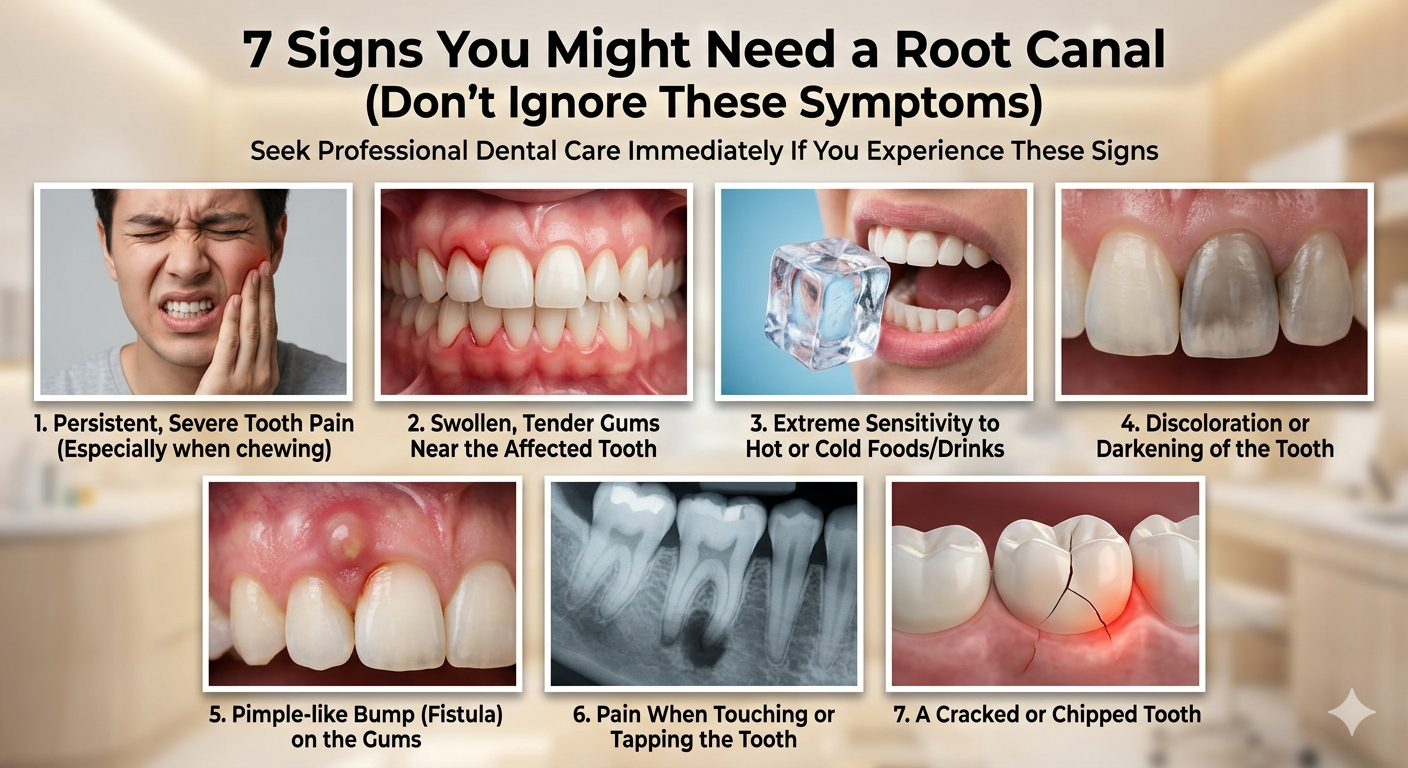
7 Signs You Might Need a Root Canal (Don’t Ignore These Symptoms)

A healthy smile is essential for your comfort, confidence, and overall well-being. However, when a tooth becomes severely infected or damaged, it can lead to significant pain and serious oral health complications. In many cases, a root canal treatment can save the affected tooth and relieve discomfort before the problem worsens.

At The Dental Place, we often see patients who delay treatment because they are unsure whether their symptoms are serious. Recognizing the warning signs early can help protect your oral health and prevent more extensive dental procedures in the future.

Here are seven important signs you might need a root canal and why you should never ignore them.

What Is a Root Canal?

A root canal is a dental procedure used to treat infection or damage inside a tooth. Deep within every tooth is soft tissue called pulp, which contains nerves and blood vessels. When this pulp becomes infected due to decay, cracks, trauma, or repeated dental procedures, it can cause pain and inflammation.

During a root canal, the infected pulp is removed, the inside of the tooth is cleaned and disinfected, and the tooth is sealed to prevent further infection. This treatment helps save your natural tooth while eliminating pain.

  1. Persistent Tooth Pain

One of the most common signs you may need a root canal is ongoing tooth pain. While occasional tooth sensitivity can be normal, constant or severe pain is often a warning sign of deeper infection.

The pain may:

  • Occur while chewing or biting
  • Feel sharp, throbbing, or deep
  • Spread to the jaw, ear, or nearby teeth
  • Continue even when you are not eating

If tooth pain does not go away or keeps returning, it is important to schedule a dental evaluation as soon as possible.

  1. Sensitivity to Hot and Cold

Temporary sensitivity after consuming hot coffee or cold ice cream is common. However, prolonged sensitivity that lingers long after the temperature exposure may indicate nerve damage inside the tooth.

You may notice:

  • Sharp pain when drinking hot beverages
  • Discomfort from cold foods
  • Sensitivity that lasts several seconds or longer

This symptom often suggests that the tooth pulp is inflamed or infected and may require root canal treatment.

  1. Swollen or Tender Gums

Swelling around a tooth can signal an infection beneath the gum line. In some cases, the swelling may come and go, while other times it may become painful or noticeable.

Signs to watch for include:

  • Tender gums near a specific tooth
  • Puffiness or swelling
  • A small bump or pimple on the gums
  • Drainage or an unpleasant taste in the mouth

An untreated dental infection can spread to surrounding tissues, making prompt treatment essential.

  1. Darkening or Discoloration of a Tooth

A tooth that suddenly becomes gray, dark yellow, or discolored may be experiencing internal damage. This often occurs when the tooth’s nerve tissue begins to die due to trauma or infection.

Unlike surface stains caused by food or drinks, discoloration related to nerve damage usually affects only one tooth. A dentist can determine whether a root canal is necessary to save the tooth.

  1. Pain When Chewing or Touching the Tooth

If biting down causes pain or pressure sensitivity, the tooth’s inner pulp may be infected. This discomfort often worsens over time and may indicate inflammation around the tooth root.

You may experience:

  • Pain while eating
  • Discomfort when touching the tooth
  • Pressure sensitivity
  • Difficulty chewing on one side

Ignoring this symptom can allow the infection to progress and potentially lead to tooth loss.

  1. A Cracked or Chipped Tooth

A cracked or chipped tooth may expose the inner pulp to bacteria, increasing the risk of infection. Dental injuries can occur from accidents, sports activities, chewing hard foods, or grinding teeth.

Even if the crack seems minor, bacteria can enter the tooth and cause serious complications over time. If you have damaged a tooth and begin experiencing pain or sensitivity, it is important to seek dental care promptly.

  1. A Persistent Pimple on the Gums

A small bump or pimple-like area on the gums, known as a dental abscess, is often a sign of infection. This bump may release pus or fluid and can sometimes produce a foul odor or bad taste.

An abscess is a serious dental issue that should never be ignored. Without treatment, the infection can spread to other areas of the mouth and body.

Why Early Treatment Matters

Delaying treatment for an infected tooth can lead to worsening pain, bone loss, abscess formation, and even tooth extraction. Root canal therapy is designed to stop the infection while preserving your natural tooth structure.

Modern root canal procedures are safe, effective, and much more comfortable than many people expect. With today’s advanced dental technology and anesthesia techniques, most patients experience relief rather than discomfort during treatment.

When to See Your Dentist

If you notice any of these symptoms, do not wait for the pain to become unbearable. Early diagnosis can make treatment simpler and help prevent complications.

At The Dental Place, our experienced dental team is committed to providing gentle, personalized care to restore your oral health and comfort. Whether you are dealing with tooth pain, swelling, or sensitivity, we are here to help you protect your smile with effective treatment options.

Schedule an appointment today to learn whether a root canal may be the right solution for your dental health needs.
Dental Teeth

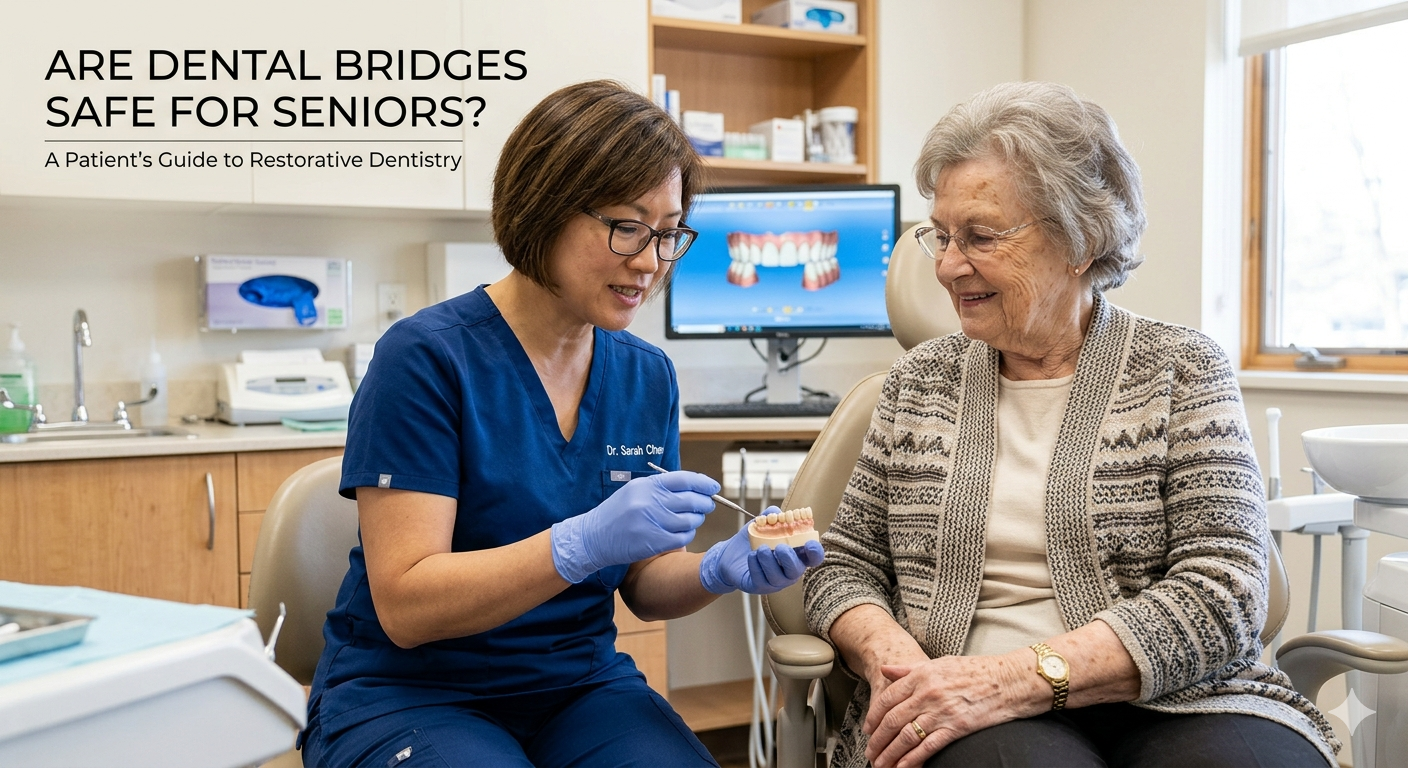
Are Dental Bridges Safe for Seniors?

Tooth loss is a common dental concern among older adults, but it does not have to affect quality of life. Missing teeth can make everyday activities like eating, speaking, and smiling more difficult. Fortunately, modern dentistry offers several reliable solutions, including dental bridges. Many seniors considering tooth replacement often ask, “Are dental bridges safe for seniors?” The answer is yes. Dental bridges are generally safe, effective, and widely recommended for older adults who want to restore their smile and oral function.

At The Dental Place, we understand the importance of comfortable, long-lasting dental solutions for seniors. Dental bridges can help improve both oral health and confidence when properly placed and maintained.

What Is a Dental Bridge?

A dental bridge is a fixed dental restoration used to replace one or more missing teeth. It works by filling the gap with an artificial tooth, called a pontic, that is supported by nearby natural teeth or dental implants.

There are several types of dental bridges available, including:

  • Traditional bridges
  • Cantilever bridges
  • Maryland bridges
  • Implant-supported bridges

The right type of bridge depends on the patient’s oral health, the location of the missing teeth, and overall treatment goals.

Why Tooth Replacement Matters for Seniors

Many seniors assume missing teeth are simply a natural part of aging, but untreated tooth loss can lead to several oral health issues. Missing teeth may cause:

  • Difficulty chewing healthy foods
  • Speech problems
  • Jawbone deterioration
  • Shifting of nearby teeth
  • Changes in facial appearance
  • Lower self-confidence

Replacing missing teeth with a dental bridge can help prevent these complications while restoring normal oral function.

Are Dental Bridges Safe for Older Adults?

Dental bridges are considered a safe and proven treatment option for seniors. Age alone does not determine whether someone is a good candidate for a bridge. Instead, dentists evaluate overall oral health, gum condition, and the strength of the surrounding teeth.

Before recommending a dental bridge, your dentist will perform a complete examination that may include X-rays and a review of your medical history. This helps ensure the treatment is both safe and successful.

For many seniors, dental bridges provide a less invasive alternative to dental implants while offering more stability than removable dentures.

Benefits of Dental Bridges for Seniors

Improved Chewing and Eating

Missing teeth can make it difficult to eat certain foods, especially healthy options like fruits, vegetables, and lean meats. Dental bridges restore bite function, making it easier for seniors to maintain a balanced and nutritious diet.

Better Speech

Teeth play an important role in clear pronunciation. Gaps caused by missing teeth can affect speech patterns. A dental bridge helps improve speech clarity and communication.

Enhanced Appearance

A complete smile can make a significant difference in self-esteem and social confidence. Dental bridges are designed to look natural and blend seamlessly with surrounding teeth.

Prevents Teeth from Shifting

When teeth are missing, neighboring teeth may gradually shift into the empty space. This movement can cause bite problems and increase the risk of additional dental issues. Bridges help maintain proper alignment.

Comfortable and Stable

Unlike removable dentures, dental bridges are fixed in place. Many seniors appreciate the stability and convenience they provide during daily activities such as eating and speaking.

Are There Any Risks?

Although dental bridges are generally safe, there are some considerations seniors should keep in mind.

Gum Health Is Important

Healthy gums are essential for supporting a dental bridge. Seniors with gum disease may need treatment before receiving a bridge.

Supporting Teeth Must Be Strong

Traditional bridges rely on nearby teeth for support. These teeth need to be healthy and strong enough to hold the bridge securely.

Oral Hygiene Matters

Bridges require proper cleaning to prevent plaque buildup and decay around supporting teeth. Special flossing tools and regular dental visits can help maintain oral health.

Normal Wear Over Time

Like other dental restorations, bridges may eventually need repair or replacement after years of use. With good care, however, many bridges can last well over a decade.

Tips for Caring for Dental Bridges

Seniors can extend the life of their dental bridge by following a few simple oral care habits:

  • Brush teeth twice daily with fluoride toothpaste
  • Floss carefully around the bridge
  • Use interdental brushes or floss threaders if recommended
  • Visit the dentist regularly for checkups and cleanings
  • Avoid chewing hard objects such as ice or hard candies

Good oral hygiene is the key to keeping both the bridge and surrounding teeth healthy.

Dental Bridges vs. Dentures for Seniors

Both bridges and dentures can replace missing teeth, but they offer different advantages. Dental bridges are fixed and generally feel more natural and secure. Dentures, on the other hand, may be recommended when multiple teeth are missing.

The best option depends on several factors, including oral health, budget, and personal preference. A consultation with a dental professional can help determine the most suitable treatment.

Final Thoughts

Dental bridges are a safe and effective solution for many seniors dealing with missing teeth. They can improve chewing ability, speech, appearance, and overall oral health. With proper care and regular dental visits, dental bridges can provide long-lasting comfort and confidence.

At The Dental Place, our team is dedicated to helping seniors achieve healthy, functional smiles with personalized dental care. If you are considering a dental bridge, Contact our team to guide you through every step of the process and help you find the best solution for your needs.

Implants

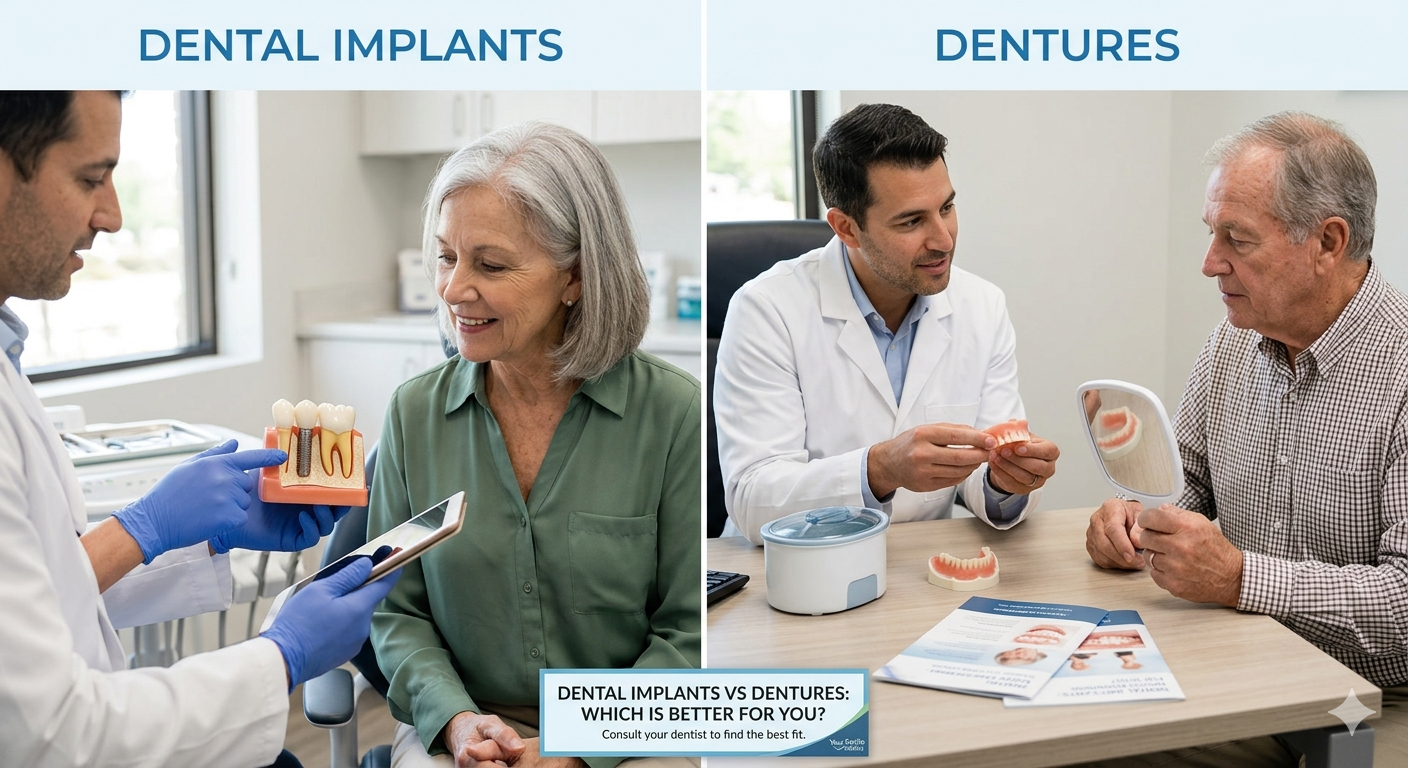
Dental Implants vs Dentures: Which Is Better?

Missing teeth can affect more than just your appearance—they can impact your confidence, speech, and ability to eat comfortably. Fortunately, modern dentistry offers effective solutions to restore your smile, with dental implants and dentures being the most common options. But which one is better for you? At The Dental Place, we help patients make informed decisions based on their needs, lifestyle, and oral health. Let’s explore the differences to help you choose the right option.

What Are Dental Implants?

Dental implants are a long-term solution for missing teeth. They consist of a titanium post that is surgically placed into the jawbone, acting as an artificial tooth root. Once healed, a crown is attached to the implant, creating a natural-looking and fully functional tooth.

Benefits of Dental Implants:

  • Look and feel like natural teeth
  • Provide strong, stable support for chewing
  • Prevent bone loss by stimulating the jawbone
  • Long-lasting, often for decades with proper care
  • No need to remove for cleaning

However, dental implants require a surgical procedure and sufficient bone density. The treatment process may take a few months, but the results are highly durable and aesthetically pleasing.

What Are Dentures?

Dentures are removable appliances designed to replace missing teeth. They can be full dentures (replacing all teeth) or partial dentures (replacing some teeth). Dentures rest on the gums and are typically made from acrylic or a combination of materials.

Benefits of Dentures:

  • More affordable upfront compared to implants
  • Non-surgical solution
  • Faster treatment time
  • Suitable for patients with bone loss or medical conditions

While dentures are a practical option, they may feel less stable than implants and can sometimes slip while eating or speaking. They also require daily removal and proper maintenance.

Key Differences Between Implants and Dentures

  1. Stability and Comfort
    Dental implants are fixed in the jawbone, offering excellent stability and comfort. Dentures, on the other hand, may shift or require adhesives to stay in place, which can be inconvenient for some patients.
  2. Appearance
    Both options are designed to look natural, but implants often provide a more realistic appearance because they mimic the structure of natural teeth. Dentures can also look good but may not feel as natural.
  3. Durability
    Implants are highly durable and can last many years, even a lifetime with proper care. Dentures typically need to be replaced or adjusted every 5–10 years due to wear and changes in the jaw.
  4. Maintenance
    Implants can be cared for like natural teeth with regular brushing and flossing. Dentures require removal, cleaning, and soaking daily, which may be less convenient.
  5. Cost
    Dentures generally have a lower initial cost, making them more accessible. Dental implants involve a higher upfront investment, but they can be more cost-effective over time due to their longevity.
  6. Bone Health
    One major advantage of dental implants is that they help preserve jawbone density. Dentures do not provide this benefit and may contribute to gradual bone loss over time.

Which Option Is Right for You?

The choice between dental implants and dentures depends on several factors, including your oral health, budget, and personal preferences.

  • Choose dental implants if you want a permanent, natural-feeling solution and have sufficient bone support.
  • Choose dentures if you prefer a non-surgical, more affordable option or have medical conditions that limit surgical procedures.

In some cases, a combination of both—such as implant-supported dentures—may be recommended for improved stability and comfort.

Why Choose The Dental Place?

At The Dental Place, we understand that every smile is unique. Our experienced dental professionals provide personalized consultations to evaluate your needs and recommend the best treatment option. We use advanced technology and high-quality materials to ensure long-lasting, natural-looking results.

Final Thoughts

There’s no one-size-fits-all answer to whether dental implants or dentures are better—it ultimately depends on your individual situation. Both options can restore your smile and improve your quality of life. The key is to choose a solution that fits your needs and ensures long-term oral health.

If you’re considering tooth replacement options, schedule a consultation with The Dental Place today. We’re here to help you regain your confidence and enjoy a healthy, beautiful smile once again.

Dental

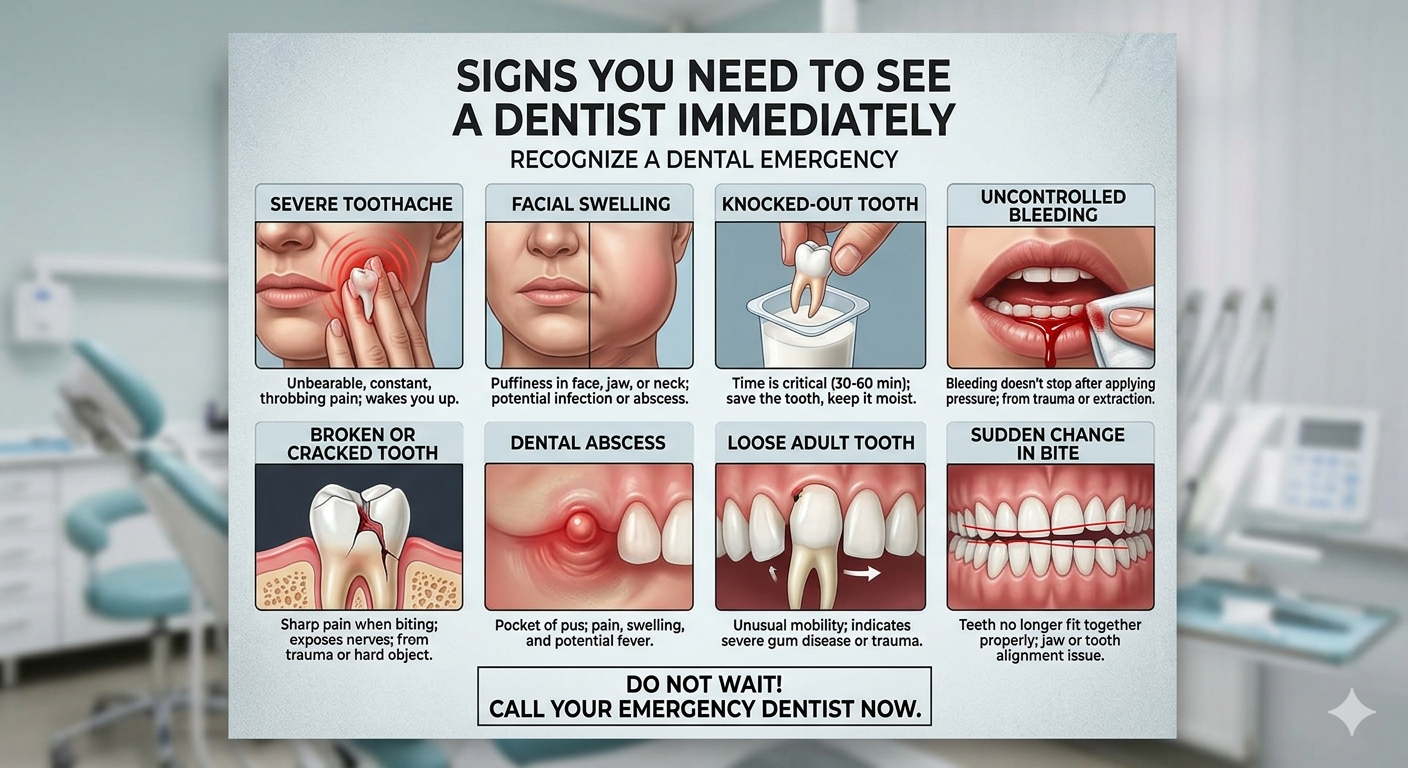
Signs You Need to See a Dentist Immediately

Oral health problems don’t always develop slowly—some symptoms can signal urgent issues that require immediate attention. Ignoring these warning signs can lead to more serious complications, increased pain, and higher treatment costs. At The Dental Place, we believe that recognizing early symptoms can help you protect your smile and overall health. Here are the key signs that mean you should see a dentist right away.

  1. Severe Tooth Pain

Persistent or intense tooth pain is never normal. It could indicate deep decay, an infection, or even an abscess. If the pain worsens when you bite or is accompanied by swelling, it’s a strong sign that immediate treatment is needed. Delaying care can allow the infection to spread, making the problem more serious.

  1. Swollen or Bleeding Gums

Occasional mild bleeding while brushing may not be alarming, but frequent bleeding, swelling, or tenderness in the gums could be a sign of gum disease. Advanced gum infections can lead to tooth loss and may even impact your overall health. If your gums look red, puffy, or bleed easily, it’s time to visit your dentist without delay.

  1. Sudden Tooth Sensitivity

If you suddenly experience sharp pain when eating hot, cold, or sweet foods, it may indicate enamel erosion, cavities, or exposed tooth roots. While sensitivity can sometimes be mild, sudden or severe sensitivity should be checked immediately to prevent further damage.

  1. Broken, Chipped, or Knocked-Out Tooth

Dental trauma is a clear sign that you need urgent care. A broken or chipped tooth can expose the inner layers of the tooth, increasing the risk of infection. If a tooth is knocked out, acting quickly can make the difference between saving and losing it. Keep the tooth moist and visit The Dental Place as soon as possible for the best chance of restoration.

  1. Persistent Bad Breath or Bad Taste

Chronic bad breath (halitosis) or a constant bad taste in your mouth can signal underlying dental problems such as infections, gum disease, or decay. If brushing and mouthwash don’t help, it’s important to get a professional evaluation.

  1. Loose or Shifting Teeth

Adult teeth should never feel loose. If you notice movement or changes in how your teeth fit together when you bite, it may be due to bone loss caused by advanced gum disease. Early intervention is crucial to prevent tooth loss.

  1. Swelling in the Face or Jaw

Swelling around your face, jaw, or neck could indicate a serious infection, such as a dental abscess. This condition can be dangerous if left untreated, as the infection can spread to other parts of the body. Immediate dental care is essential in such cases.

  1. Sores That Don’t Heal

Mouth sores, ulcers, or patches that don’t heal within two weeks should never be ignored. While many sores are harmless, some could be signs of oral infections or even oral cancer. Early diagnosis greatly improves treatment outcomes.

  1. Difficulty Chewing or Opening Your Mouth

Pain while chewing or difficulty opening your mouth could be linked to infections, jaw issues, or impacted teeth. These symptoms can worsen over time, so it’s important to seek prompt dental evaluation.

  1. Pus or Signs of Infection

The presence of pus around your gums or teeth is a clear indication of infection. You may also notice a pimple-like bump on your gums. This requires immediate attention, as untreated infections can lead to serious health complications.

Why Immediate Dental Care Matters

Ignoring dental symptoms can turn a small issue into a major problem. What might start as a simple cavity could progress into a painful infection requiring more complex treatment. Seeking timely care not only relieves discomfort but also helps preserve your natural teeth and reduces long-term costs.

At The Dental Place, our experienced team is dedicated to providing prompt, effective care in a comfortable environment. Whether you’re dealing with sudden pain, injury, or unusual symptoms, we’re here to help you get back to a healthy, confident smile.

When in Doubt, Get It Checked

If you’re unsure whether your symptoms are serious, it’s always better to be cautious. Early diagnosis can make all the difference. Don’t wait for the pain to worsen—schedule an appointment with The Dental Place and take the first step toward protecting your oral health.