Oral

The Correct Way to Brush and Floss: Are You Doing It Right?

At The Dental Place, we know that brushing and flossing are the foundation of a healthy smile. But here’s a question we often ask our patients: Are you actually doing it the right way?
Even the most dedicated daily brushers can make small mistakes that lead to plaque buildup, cavities, and gum problems. The good news? A few simple changes in your technique can make a big difference in protecting your teeth and gums for life.

Why Proper Brushing and Flossing Matter

Brushing removes plaque—a sticky film of bacteria—that causes cavities, bad breath, and gum disease. Flossing clears away food particles and plaque between teeth, where a toothbrush simply can’t reach. Doing both correctly is the key to preventing most dental problems before they start.

Think of brushing as cleaning the surfaces of your teeth and flossing as cleaning the spaces in between. Skipping either step is like showering but forgetting to wash behind your ears—it might look fine at first, but bacteria will still be lurking.

Step-by-Step Guide to Brushing the Right Way

  1. Choose the Right Toothbrush
  • Use a soft-bristled brush to avoid damaging your enamel and gums.
  • Pick a brush head that fits comfortably in your mouth, allowing you to reach every tooth.
  • Electric toothbrushes can be especially effective, but a manual brush works just as well if used properly.
  1. Pick the Right Toothpaste
  • Look for fluoride toothpaste—it strengthens enamel and helps prevent decay.
  • If you have sensitivity or gum issues, your dentist can recommend a specialized formula.
  1. Brush for Two Minutes
  • Spend 30 seconds per quadrant of your mouth (upper right, upper left, lower right, lower left).
  • Set a timer or hum a song to make sure you hit the two-minute mark.
  1. Use the Proper Technique
  • Hold your toothbrush at a 45-degree angle to your gums.
  • Use short, gentle strokes, not hard scrubbing.
  • Brush the outer surfaces, then the inner surfaces, and finally the chewing surfaces of your teeth.
  • Don’t forget your tongue—it harbors bacteria that cause bad breath.
  1. Replace Your Toothbrush Regularly
  • Swap it out every 3–4 months or sooner if the bristles are frayed.
  • A worn-out brush won’t clean effectively.

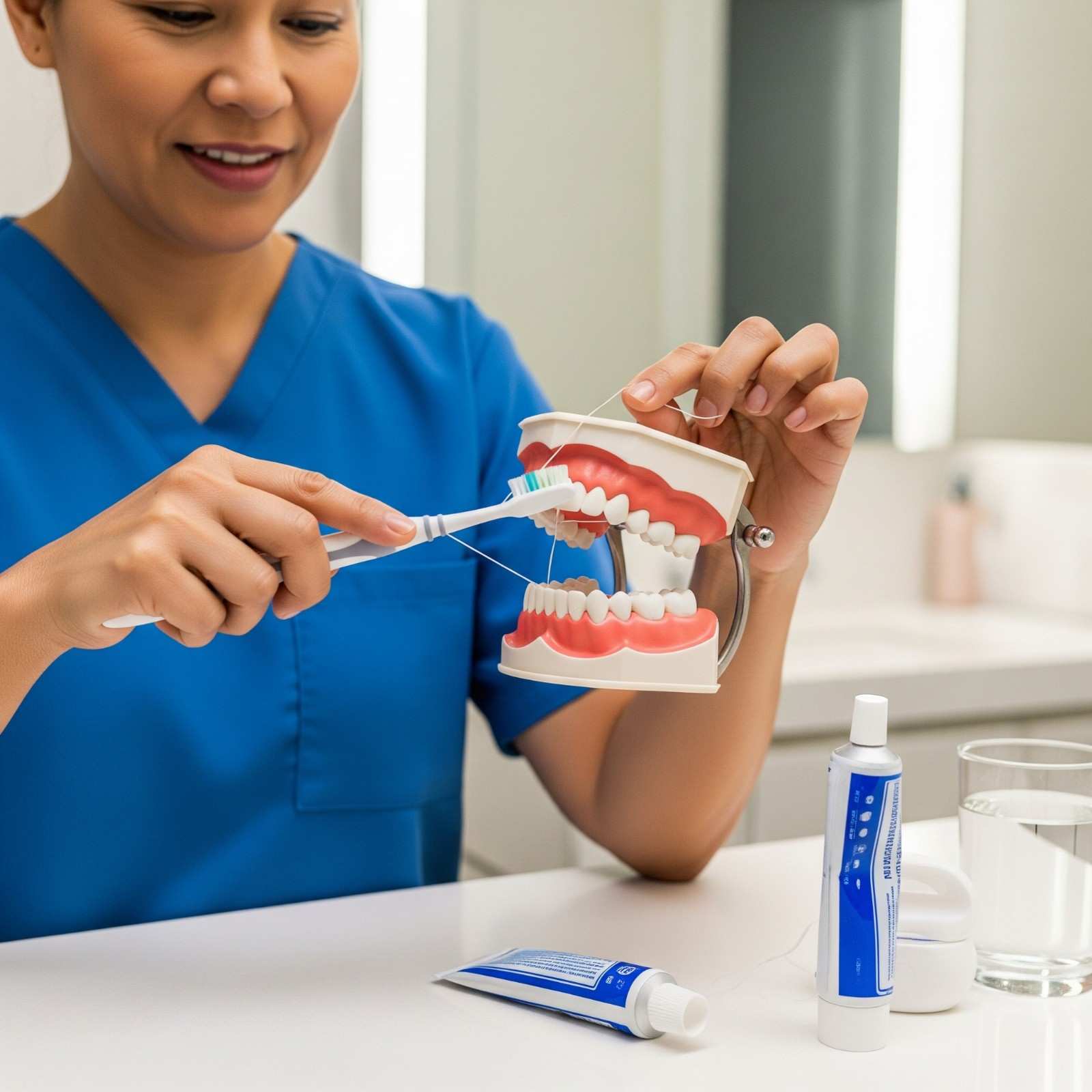
Step-by-Step Guide to Flossing the Right Way

  1. Use Enough Floss
  • Cut about 18 inches of floss.
  • Wrap most of it around your middle fingers, leaving 1–2 inches to work with.
  1. Be Gentle but Thorough
  • Slide the floss gently between your teeth using a sawing motion—never snap it down, as this can hurt your gums.
  1. Form a “C” Shape
  • Curve the floss around each tooth in a “C” shape.
  • Slide it under the gumline and move it up and down to remove plaque.
  1. Use a Fresh Section for Each Tooth
  • Unwind clean floss as you move from tooth to tooth to avoid spreading bacteria.
  1. Don’t Forget the Back Teeth
  • Even if you don’t see food stuck there, bacteria can still hide.

Common Brushing & Flossing Mistakes to Avoid

  • Brushing too hard – This can wear away enamel and cause gum recession.
  • Skipping flossing – Brushing alone cleans only about 60% of your tooth surfaces.
  • Using old, frayed brushes – They lose cleaning power.
  • Rushing the process – Quick brushing often misses plaque in tricky spots.

When to Brush and Floss

  • Brush twice a day—once in the morning and once before bed.
  • Floss at least once a day, preferably before bedtime so your mouth stays clean overnight.
  • If you eat sugary or acidic foods, wait 30 minutes before brushing to avoid enamel erosion.

Why Technique Matters More Than Tools

While high-tech brushes, flavored floss, and whitening toothpaste can be great, the real secret to a healthy smile is consistent and proper technique. You could own the most expensive toothbrush on the market, but if you’re rushing or skipping steps, plaque and tartar will still build up.

Your Dentist: The Final Checkpoint

Even with perfect home care, you still need professional checkups every six months. At The Dental Place, we can spot problems early, remove hardened tartar, and make sure your brushing and flossing techniques are truly effective.

During your visit, we’re happy to:

  • Demonstrate the correct brushing and flossing motion.
  • Recommend tools like water flossers or interdental brushes if you have braces or gaps.
  • Personalize tips based on your unique dental health needs.

Final Thoughts

Brushing and flossing are simple habits, but doing them correctly is what keeps your teeth healthy, your gums strong, and your smile bright. Think of your toothbrush and floss as the front-line defense against dental problems—use them wisely, and they’ll protect you for a lifetime.

If you have any questions about your technique—or just want to make sure you’re doing it right—schedule an appointment with The Dental Place today. Your smile deserves it!

Oral

Oral Health for Gamers: Protecting Your Smile During Long Gaming Sessions

Gaming isn’t just a hobby anymore—it’s a lifestyle. Whether you’re streaming on Twitch, training for an eSports tournament, or pulling an all-nighter with friends, those marathon gaming sessions can take a toll on more than just your posture and sleep. Your oral health is also at risk when hours pass by without a sip of water, a bathroom break, or even a thought about your teeth.

At The Dental Place, we understand that gamers want to keep their health in check without sacrificing precious playtime. Here’s how to protect your smile while leveling up in your favorite game.

  1. Understand the Gaming-Oral Health Connection

When you’re deep into a mission or trying to top the leaderboard, you might forget about the little things—like sipping water, eating balanced snacks, or taking breaks. Unfortunately, these small habits can create the perfect environment for plaque, cavities, and gum problems.

Some common gamer habits that affect oral health include:

  • Sugary Energy Drinks: High in sugar and acidic, they can erode enamel and cause cavities.
  • Sticky Snacks: Chips, candy, and cookies cling to teeth and feed harmful bacteria.
  • Mouth Breathing: Hours of intense focus can lead to open-mouth breathing, which dries the mouth and increases decay risk.

Awareness is the first step to prevention.

  1. Power-Up with Hydration

Energy drinks might give you a temporary boost, but water is your true MVP when it comes to oral health. Staying hydrated keeps your mouth moist, washes away food particles, and prevents bacteria from multiplying.

Pro tip for gamers:

  • Keep a refillable water bottle at your gaming station.
  • Alternate between energy drinks and water if you must have caffeine.
  • Try sugar-free electrolyte drinks instead of soda for long sessions.
  1. Choose Gamer-Friendly Snacks

We get it—gaming and snacking go hand in hand. But not all snacks are created equal for your teeth. Instead of sticky candy or crumb-heavy chips, try these tooth-friendly options:

  • Cheese cubes or string cheese (neutralizes acids in the mouth)
  • Apple slices (help clean teeth naturally)
  • Nuts like almonds or cashews (low in sugar, packed with nutrients)
  • Sugar-free gum (stimulates saliva and freshens breath)

Make these swaps, and you can keep your smile healthy without giving up the fun of mid-game munching.

  1. Schedule “AFK” Dental Breaks

Just like your character needs rest to regain health points, your teeth need regular care throughout the day. Set an alarm or reminder every 1–2 hours to:

  • Drink water
  • Stretch
  • Use sugar-free gum
  • If possible, rinse your mouth or brush

Even a quick break can reset your body and protect your smile.

  1. Combat the Dry Mouth Boss

Dry mouth is one of the biggest enemies for gamers. Without enough saliva, harmful bacteria can multiply, leading to bad breath, cavities, and gum disease.

To fight back:

  • Use a humidifier in your gaming room if the air is dry.
  • Keep sugar-free mints nearby.
  • Avoid overly salty snacks that can worsen dryness.
  1. Stick to a Strong Dental Routine

No matter how intense your gaming schedule gets, your twice-a-day brushing and once-a-day flossing rule should never be skipped. Use a fluoride toothpaste to strengthen enamel and an electric toothbrush for the best results.

Pro tip for late-night gamers: Even if you’re exhausted, brush before bed. Falling asleep with plaque on your teeth is like leaving your console on overnight—it overheats your dental health system.

  1. See Your Dentist for Regular “System Checks”

Gamers upgrade their equipment to perform at their best. Your mouth needs the same care. Scheduling regular dental checkups at The Dental Place ensures we catch small problems before they become major issues.

Think of us as your smile’s tech support—we’ll debug problems before they crash your system.

Final Thoughts

Long gaming sessions are fun, competitive, and even social—but they can also challenge your oral health. By staying hydrated, making smarter snack choices, taking short breaks, and keeping up with your dental routine, you can protect your smile without sacrificing your game time.

At The Dental Place, we’re here to help gamers of all levels keep their smiles strong and healthy. Whether you’re a casual player or a pro streamer, we’ve got the strategies you need to win the fight against cavities and gum disease.

Level up your oral health—book your next checkup with The Dental Place today!

Uncategorized

Tooth Extractions for Braces: Why Perfect Smiles Sometimes Begin with Loss

When most people think about getting braces, they picture straight teeth, colorful bands, and a confident new smile. What they often don’t expect is that sometimes, the journey to a perfectly aligned smile starts with something that feels like a step backward—a tooth extraction.

At The Dental Place, we understand that hearing “you need a tooth pulled before braces” can sound intimidating. But rest assured: extractions are a common and carefully considered part of orthodontic treatment for many patients. In this article, we’ll explain why tooth extractions are sometimes necessary, what the process involves, and how it benefits your smile in the long run.

Why Do Orthodontists Recommend Tooth Extractions?

Tooth extractions for braces aren’t about losing something; they’re about creating space for the smile you’re aiming to build. Here’s why your orthodontist may recommend it:

  1. Overcrowding

One of the most common reasons for extractions is overcrowding. When your jaw doesn’t have enough room for all your teeth to fit properly, they can grow in twisted, overlapped, or too close together. Removing one or more teeth gives braces the room they need to shift everything into perfect alignment.

  1. Protrusion

If your front teeth stick out significantly (often called an “overjet”), removing a tooth on either side can help pull them back into a straighter, more secure position. This not only improves your appearance but also reduces your risk of injury, since protruding teeth are more vulnerable to trauma.

  1. Bite Correction

To properly align your bite—how your upper and lower teeth come together—orthodontists sometimes need to remove teeth to shift your dental arches into harmony. Whether it’s an overbite, underbite, or crossbite, extractions can give braces the room they need to guide your bite into a healthier position.

  1. Impacted Teeth

When a tooth can’t erupt properly because there’s no space (as is often the case with wisdom teeth or crowded canines), removing a neighboring tooth may be the only way to make room for guided eruption or implant placement later on.

How the Extraction Process Works

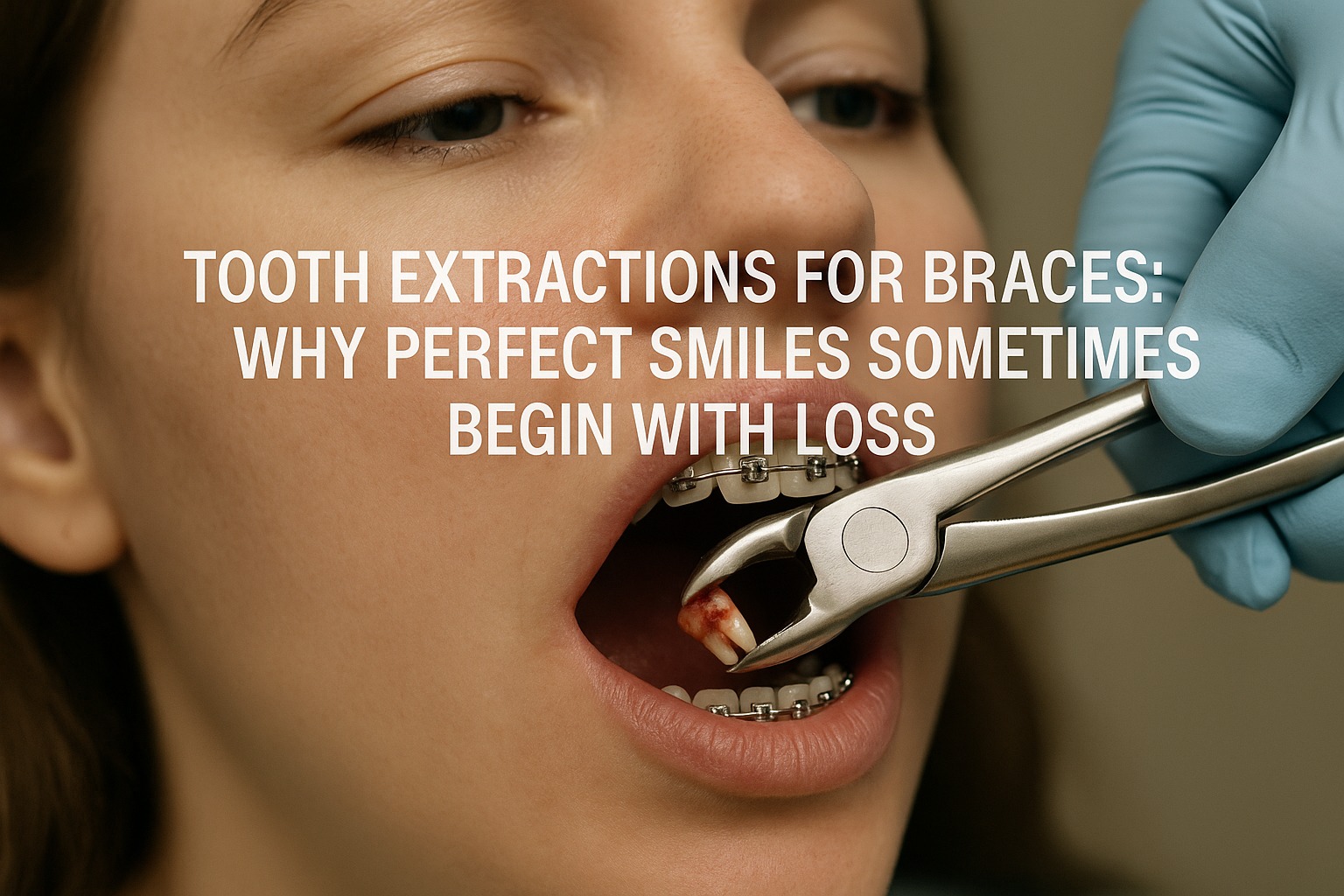
Tooth extractions before braces are usually done by a general dentist or oral surgeon and are often straightforward procedures, especially if the tooth is fully erupted. Here’s what to expect:

  • Consultation & X-rays: We’ll assess your overall dental structure to decide which teeth, if any, should be extracted.
  • Local Anesthesia: The area will be numbed, so you’ll feel pressure but no pain.
  • Extraction: The tooth is gently loosened and removed. Most extractions take under 30 minutes.
  • Recovery: You’ll be given post-op instructions for a smooth recovery, including what to eat, how to keep the area clean, and when to start your braces journey.

Most patients recover from simple extractions within a few days. After healing, your orthodontist will proceed with fitting braces—sometimes just a few weeks later.

Diet and Care After Extractions

Following a tooth extraction, your mouth will need a little TLC. Stick to soft foods like:

  • Mashed potatoes
  • Smoothies
  • Applesauce
  • Scrambled eggs
  • Yogurt

Avoid using straws, smoking, or eating crunchy/hard foods for at least a few days to prevent dry socket, a painful condition that occurs when the blood clot at the extraction site becomes dislodged.

Keep the area clean by gently rinsing with warm salt water and following any care instructions provided by our dental team.

The Long-Term Benefits of a Short-Term Loss

It’s completely natural to feel uneasy about losing a tooth—but in the case of orthodontics, it’s often a strategic move for better health and aesthetics. Here’s what you’ll gain:

  • A straighter, more functional bite
  • Improved facial symmetry
  • Healthier gums (since properly spaced teeth are easier to clean)
  • Reduced risk of tooth decay and gum disease
  • A confident, balanced smile that lasts a lifetime

Think of the extraction as the first chapter in your smile transformation—a small sacrifice that lays the foundation for lasting results.

Why Trust The Dental Place?

At The Dental Place, we take a personalized approach to every smile journey. Our team collaborates closely with orthodontists to ensure that if extractions are part of your treatment plan, they’re done with comfort, safety, and long-term success in mind.

We’ll guide you every step of the way, from your initial consultation through recovery and beyond. Whether you’re a teen getting braces for the first time or an adult returning to orthodontic care, we’re here to make your path to a perfect smile as smooth as possible.

Ready to Begin Your Smile Journey?

Tooth extractions may sound like a setback, but in the world of orthodontics, they’re often a stepping stone toward your best smile. If our orthodontist has recommended extractions before braces, don’t worry—you’re in good hands at The Dental Place.

Contact us today to schedule a consultation and take the first confident step toward a straighter, healthier smile!

Dental

Dental Bridges and Your Diet: Foods to Embrace and Avoid After Treatment

Getting a dental bridge is an exciting step toward restoring your smile, confidence, and ability to chew properly. At The Dental Place, we believe that proper care doesn’t stop when you leave the dentist’s chair. What you eat—and avoid—after getting a dental bridge plays a critical role in your healing process and the long-term success of your restoration.

In this guide, we’ll walk you through the best foods to eat after your dental bridge procedure and the ones to avoid to keep your new smile looking and functioning its best.

The First Few Days: Soft Is Smart

Right after getting your dental bridge, whether it’s traditional, cantilever, Maryland, or implant-supported, your mouth needs time to adjust. Your gums and surrounding teeth may feel sore or sensitive, especially if extra procedures like tooth extraction or root canal were involved.

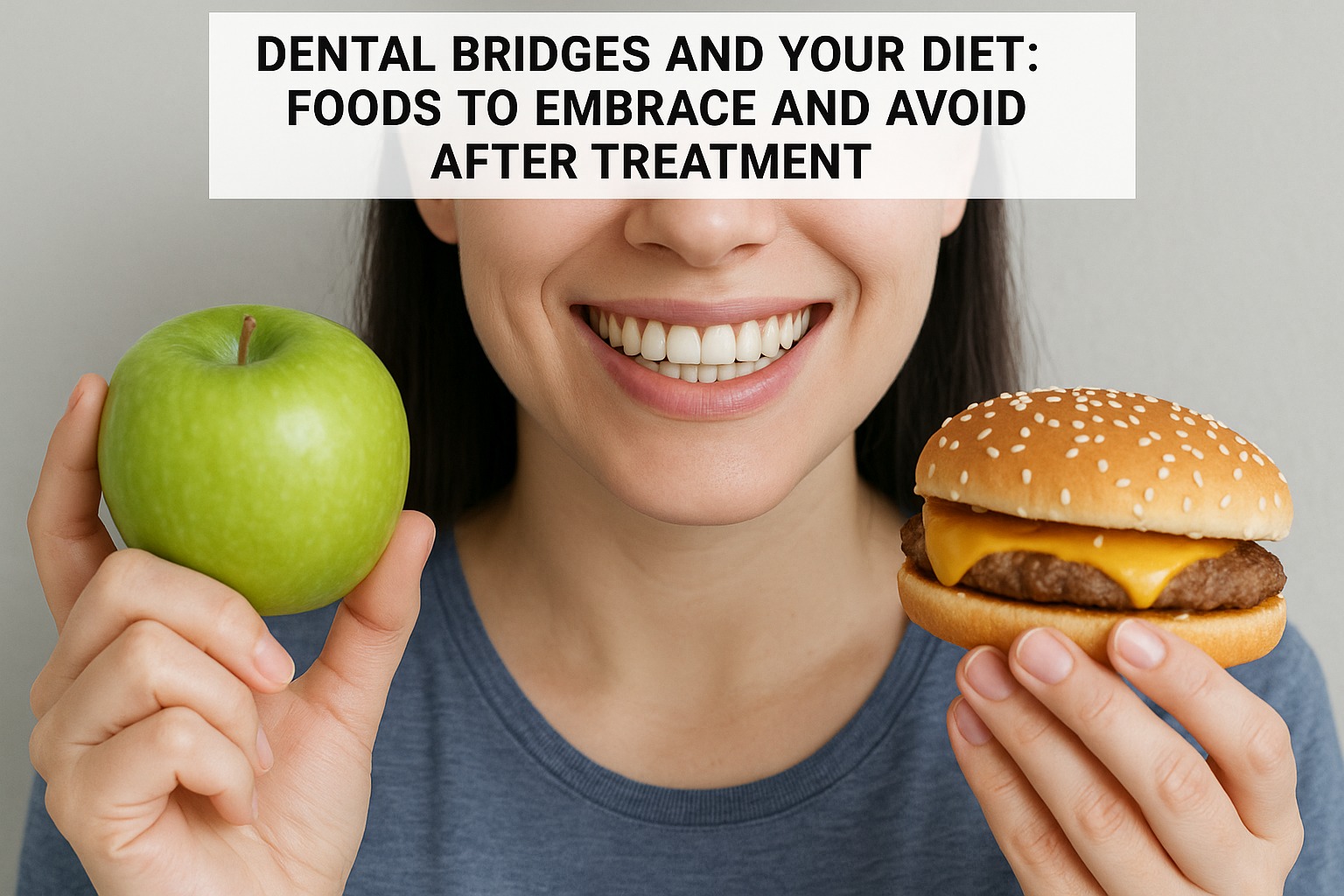
Best Foods During Initial Recovery:

Stick to soft, non-acidic, non-spicy foods that require minimal chewing. These foods help you avoid unnecessary pressure on your bridge while your mouth adjusts.

  • Mashed potatoes or sweet potatoes
  • Yogurt or Greek yogurt (unsweetened)
  • Scrambled eggs
  • Oatmeal or soft cereals
  • Smoothies (avoid seeds or chunks)
  • Cooked vegetables (well-steamed or boiled)
  • Soups and broths (lukewarm, not hot)

Remember to chew on the side opposite your new bridge during the first few days if your dentist recommends it.

As You Heal: Introducing More Texture

After a few days, once your mouth starts to feel better, you can slowly introduce foods with more substance. This period is essential for gradually strengthening the muscles and getting used to your new bite.

Foods to Add as You Heal:
  • Pasta and noodles (soft-cooked)
  • Soft fruits like bananas, avocados, and peaches
  • Rice and risotto
  • Tender fish and well-cooked chicken
  • Tofu or scrambled paneer
  • Soft sandwiches with crust removed
  • Cheese (soft varieties like mozzarella or brie)

Be sure to continue avoiding anything hard, crunchy, or sticky at this stage. Your bridge is still settling in, and sudden pressure or tugging can disrupt the fit or even damage it.

What to Avoid: Protecting Your Bridge for the Long Term

Even after full recovery, there are certain foods and habits that can harm your dental bridge. While bridges are durable and designed to function like natural teeth, they are not indestructible.

🚫 Foods to Avoid Long-Term:
  1. Sticky foods – Caramel, chewing gum, toffee, and gummy candies can loosen or dislodge your bridge.
  2. Hard foods – Ice, hard candies, popcorn kernels, and nuts can crack or chip the bridge.
  3. Chewy breads – Bagels, crusty rolls, and tough pizza crusts can pull on the bridge structure.
  4. Overly hot or cold items – Extreme temperatures can cause sensitivity or discomfort, especially right after placement.
  5. Sugary foods and drinks – These promote decay in the supporting teeth and can compromise the bridge’s longevity.

If you do indulge in any of these foods occasionally, be sure to chew cautiously and clean your teeth thoroughly afterward.

Healthy Eating for a Healthy Smile

A balanced diet supports not just your bridge, but your overall oral health. Focus on nutrient-rich foods that strengthen gums, bones, and teeth:

  • Calcium-rich foods like milk, yogurt, almonds, and leafy greens to support bone health.
  • Vitamin C from citrus fruits, bell peppers, and broccoli to keep your gums healthy.
  • Lean protein to support healing and tissue repair.
  • Water – Hydration helps wash away food particles and bacteria, keeping your mouth clean.

Final Tips from The Dental Place

  • Chew evenly: Once healed, try to use both sides of your mouth equally to avoid placing too much pressure on the bridge.
  • Cut food into smaller bites: This makes it easier to chew and reduces wear and tear.
  • Stay consistent with oral hygiene: Brush twice a day, floss (using a floss threader around the bridge), and rinse with a dentist-recommended mouthwash.
  • Schedule regular check-ups: Visit The Dental Place for routine exams to ensure your bridge remains secure and your supporting teeth stay healthy.
Your Bridge to Better Living Starts Here

At The Dental Place, we understand that dental work is more than a procedure—it’s a pathway to a better quality of life. Eating comfortably, speaking clearly, and smiling confidently are all possible with the right care.

If you’ve recently had a dental bridge placed or are considering one, don’t hesitate to reach out to us with any questions. We’re here to guide you every step of the way—from the dental chair to the dinner table. Contact The Dental Place today to book your personalized dental bridge consultation.

Dental

The Benefits of Restorative Dentistry for Long-Term Oral Health

When most people hear the phrase “restorative dentistry,” they think of fixing what’s broken—filling a cavity, repairing a chipped tooth, or replacing one that’s missing. At The Dental Place, we view restoration as much more than patchwork; it’s a proactive investment in your mouth’s health, your overall well-being, and your confidence for years to come. Below, we unpack the key ways restorative dentistry safeguards long-term oral health and why partnering with an experienced practice like ours makes all the difference.

  1. Stopping Small Problems From Becoming Big (and Costly)

Teeth rarely go from perfect to problematic overnight. Tiny cracks, early decay, or worn fillings often progress silently until pain or infection appears. Modern restorative techniques—ranging from tooth-colored fillings to protective onlays—allow us to intervene at the earliest stage. By sealing compromised enamel and rebuilding structure, we stop bacteria from penetrating deeper layers where root canals, crowns, or extractions might otherwise become necessary.

Long-term impact:

  • Lower risk of severe decay and infection
  • Reduced need for complex future procedures
  • Significant savings in time, discomfort, and expense
  1. Preserving Natural Tooth Structure

Whenever possible, The Dental Place follows the principle of minimal intervention. Advanced materials such as composite resins and ceramic inlays bond directly to healthy enamel, reinforcing the tooth instead of shaving it down for a large silver filling. Likewise, conservative treatments like partial crowns (onlays) replace only damaged portions, leaving strong tooth tissue intact.

Why it matters:
Natural teeth contain living tissue and periodontal ligaments that keep your jawbone stimulated. Preserving them maintains bite strength, prevents bone loss, and supports facial contours—benefits no artificial replacement can fully match.

  1. Restoring Balanced Bite and Jaw Function

A cracked molar, missing premolar, or uneven filling shifts how your upper and lower teeth meet. Over time, that imbalance strains jaw joints and muscles, leading to headaches, neck pain, and undue wear on surrounding teeth. Custom-crafted crowns, bridges, and implant restorations rebuild proper contours and alignment, allowing forces to distribute evenly.

Long-term impact:

  • Decreased risk of TMJ disorders
  • Less enamel erosion and chipping on adjacent teeth
  • Greater chewing efficiency and digestive comfort
  1. Preventing Bone Loss With Dental Implants

Tooth roots do more than hold teeth in place—they constantly signal the jawbone to renew itself. When a tooth is lost, that section of bone begins resorbing, causing neighboring teeth to drift and facial features to sag. Dental implants are the only replacement option that mimics a natural root, delivering gentle stimulation each time you bite.

Benefits that last decades:

  • Maintained bone density and facial profile
  • Stable foundation for crowns, bridges, or implant-supported dentures
  • Improved speech and confidence compared with removable appliances
  1. Enhancing Oral Hygiene and Overall Health

Decayed surfaces, broken edges, and missing teeth create traps where plaque collects, making brushing and flossing less effective. Restorations that seal crevices or fill gaps help you keep every corner of your mouth clean. Research increasingly links untreated oral infection with systemic issues such as cardiovascular disease and diabetes; eliminating chronic bacterial reservoirs supports whole-body wellness.

  1. Boosting Self-Esteem and Mental Well-Being

While function comes first at The Dental Place, aesthetics matter, too. Natural-looking ceramic crowns, tooth-colored fillings, and lifelike implants blend seamlessly with your smile, often sparking a positive ripple in how patients carry themselves socially and professionally. Confidence influences mental health, and feeling good about your teeth reinforces motivation to maintain them.

  1. Integrating Digital Dentistry for Predictable Outcomes

Our practice leverages digital scans, 3-D printing, and CAD/CAM milling to craft restorations with microscopic accuracy—often in a single visit. Fewer appointments reduce disruption to your schedule and minimize the temporary materials that can harbor bacteria. Precise fits mean less sensitivity, greater longevity, and lower likelihood of repairs.

  1. Creating a Personalized Prevention Plan

Restorative dentistry isn’t a one-time fix; it’s part of an ongoing partnership. After we repair damage, our team designs a customized maintenance routine—regular cleanings, fluoride treatments, night guards, or dietary tweaks—to protect your investment. Early detection tools like digital radiographs and intra-oral cameras ensure any new issues are spotted quickly.

Choosing The Dental Place for Lifelong Oral Health

  • Comprehensive Expertise: Our dentists blend restorative, cosmetic, and preventive skills, so every plan balances beauty and durability.
  • Patient-Centric Comfort: From gentle anesthesia techniques to calming amenities, we make each visit stress-free.
  • Transparent Communication: We explain every option—including costs, timelines, and pros/cons—so you can make informed decisions.
  • Quality Materials: We source industry-leading ceramics, composites, and implant systems proven to outlast standard alternatives.

Your smile is meant to last a lifetime. With thoughtful restorative care, you can eat, speak, and laugh freely—today, tomorrow, and well into the future. If you’re experiencing discomfort, have older restorations showing wear, or simply want to protect what you have, schedule a comprehensive evaluation at The Dental Place. Together, we’ll build a long-term plan that keeps your mouth healthy and your smile bright for decades to come.

Dental

How Dental Bridges Improve Speech, Chewing, and Confidence

At The Dental Place, we understand that missing teeth do more than just leave a gap in your smile—they can also affect how you speak, eat, and feel about yourself. That’s why we offer restorative solutions like dental bridges that not only restore the appearance of your teeth but also bring back vital function and self-confidence.

If you’ve lost one or more teeth, dental bridges are a proven and reliable way to fill the gap, prevent further dental issues, and improve your overall quality of life. In this article, we’ll explore how dental bridges help enhance speech, chewing, and confidence, and why they remain a popular choice for many patients.

What Are Dental Bridges?

A dental bridge is a fixed dental restoration used to replace one or more missing teeth by anchoring to the adjacent natural teeth or dental implants. The bridge consists of:

  • Pontics: The false teeth that fill the gap left by missing teeth.
  • Abutments: The teeth or implants on either side of the gap that support the bridge.

Bridges are custom-made to blend seamlessly with your natural teeth, offering both function and aesthetics. They are typically made of porcelain, ceramic, or a combination of materials for durability and a natural look.

  1. Improving Speech

Teeth play a crucial role in helping you pronounce words correctly. Certain sounds, like “s,” “f,” and “th,” require specific tongue and tooth positioning. When teeth are missing—especially front teeth—it can interfere with how air flows through the mouth and how your tongue interacts with your teeth, often resulting in a speech impediment or lisp.

By filling in the gaps, dental bridges restore the natural shape and structure of your mouth. This allows your tongue to move properly and helps you pronounce words more clearly and confidently. Many patients report noticeable improvements in their speech shortly after receiving their dental bridge.

  1. Enhancing Chewing Ability

Chewing is a complex action that requires the coordinated movement of your jaws, teeth, and muscles. Missing teeth can disrupt this process in several ways:

  • Uneven Bite: When one or more teeth are missing, the force of your bite shifts to other areas, which can overwork certain teeth and cause discomfort or damage.
  • Food Restrictions: Patients often avoid certain foods—like apples, nuts, or meats—because they are difficult or painful to chew with missing teeth.
  • Digestive Issues: Inadequate chewing can lead to poor digestion, as food isn’t broken down properly before reaching the stomach.

Dental bridges restore proper bite alignment and chewing efficiency by filling in the missing teeth and allowing for more balanced pressure distribution. With your chewing function restored, you can enjoy a wider variety of foods—and better overall nutrition—without discomfort.

  1. Boosting Confidence and Self-Esteem

Your smile plays a big part in how you present yourself to the world. When you’re missing teeth, it’s natural to feel self-conscious or reluctant to smile, laugh, or even speak in social situations. This can affect your personal relationships, professional life, and overall self-esteem.

A dental bridge restores the appearance of your smile, making it whole and symmetrical again. The natural look of modern bridges means no one will notice you’ve had dental work done—just that you have a beautiful, healthy smile.

Patients often tell us that after receiving a bridge, they feel more confident at work, more comfortable in social situations, and happier overall. When you feel good about your smile, it shows in everything you do.

Additional Benefits of Dental Bridges

In addition to improving speech, chewing, and confidence, dental bridges also offer other long-term oral health benefits:

  • Preventing Teeth Shifting: When a tooth is lost, the surrounding teeth may begin to drift into the empty space, leading to bite problems and misalignment. A bridge keeps your teeth in place and maintains your smile’s structure.
  • Maintaining Facial Shape: Missing teeth can cause your cheeks to sag or your facial features to appear sunken. A bridge helps preserve the natural shape of your face.
  • Long-Lasting Solution: With proper care, dental bridges can last 10–15 years or even longer, making them a cost-effective and durable solution for tooth replacement.

Is a Dental Bridge Right for You?

If you’re missing one or more teeth and want a functional, natural-looking solution, a dental bridge might be the ideal choice. At The Dental Place, we offer a full range of restorative treatments, including bridges, crowns, and implants, to help you reclaim your smile and your confidence.

We’ll begin with a thorough consultation to assess your oral health, discuss your goals, and determine the best treatment plan tailored to your needs.

Restore What’s Missing—Function, Health, and Confidence

You don’t have to live with the discomfort and insecurity of missing teeth. A dental bridge can give you back the ability to speak clearly, eat comfortably, and smile confidently.

Contact The Dental Place today to schedule your consultation and take the first step toward a complete and confident smile.

Oral

The Ultimate Guide to Daily Oral Hygiene

Maintaining a healthy smile goes far beyond the occasional visit to the dentist. It begins with a solid daily oral hygiene routine at home. At The Dental Place, we believe that prevention is the key to long-term dental health—and it all starts with the habits you build each day. Whether you’re looking to fine-tune your current routine or you’re starting from scratch, this guide will walk you through everything you need to know about daily oral care.

Why Daily Oral Hygiene Matters

Your mouth is a gateway to your overall health. Poor oral hygiene doesn’t just lead to cavities and bad breath; it can also contribute to more serious conditions like gum disease, infections, and even heart disease. Establishing a consistent daily oral care routine helps prevent plaque buildup, strengthens enamel, and keeps your gums healthy.

Step-by-Step: The Ideal Daily Oral Care Routine

  1. Brush Twice a Day

Brushing your teeth in the morning and before bed is the foundation of oral hygiene. Here’s how to do it right:

  • Use a soft-bristled toothbrush and fluoride toothpaste.
  • Brush for at least two minutes each time.
  • Hold your brush at a 45-degree angle to your gums.
  • Use gentle, circular motions to clean all surfaces: front, back, and chewing sides of your teeth.
  • Don’t forget to brush your tongue to remove bacteria and freshen your breath.

Replace your toothbrush or electric brush head every 3 to 4 months—or sooner if the bristles are frayed.

  1. Floss Daily

Flossing is just as important as brushing. It removes plaque and food particles between your teeth and under the gumline, where your toothbrush can’t reach.

  • Use about 18 inches of floss, winding most around one finger and the rest around the opposite hand.
  • Gently slide the floss between teeth, curving it around each tooth in a C-shape.
  • Move the floss up and down to clean both sides before moving to the next tooth.

If traditional floss is challenging, consider using floss picks, interdental brushes, or a water flosser.

  1. Use Mouthwash

Mouthwash isn’t a substitute for brushing or flossing, but it can be a great addition to your routine:

  • Choose an antibacterial or fluoride mouthwash for extra protection.
  • Swish for 30 seconds, then spit it out.
  • Avoid eating or drinking for 30 minutes afterward for maximum effectiveness.

Mouthwash helps reduce plaque, kill bacteria, and fight bad breath.

  1. Stay Hydrated

Drinking plenty of water throughout the day helps wash away food particles and bacteria. It also keeps your mouth moist, which is essential for good oral health. A dry mouth can lead to tooth decay and gum disease.

  1. Maintain a Healthy Diet

What you eat significantly impacts your oral health. A diet high in sugar and acidic foods increases the risk of tooth decay and erosion. Instead, focus on:

  • Crunchy fruits and vegetables like apples and carrots, which stimulate saliva and clean your teeth naturally.
  • Dairy products, leafy greens, and nuts, which are rich in calcium and other essential nutrients.
  • Limiting sugary snacks, soft drinks, and highly processed foods.
  1. Clean Dental Appliances

If you wear braces, dentures, retainers, or mouthguards, clean them daily to prevent bacteria buildup. Follow your dentist’s care instructions to keep these appliances in top condition.

Bonus Tips for a Healthier Smile

  • Avoid tobacco products, which can stain teeth and increase the risk of oral cancer and gum disease.
  • Chew sugar-free gum after meals if you can’t brush right away—it helps increase saliva and reduce acid.
  • Visit your dentist regularly, at least twice a year, for checkups and professional cleanings.

At The Dental Place, we’re here to support you every step of the way on your oral health journey. Our team offers personalized care and expert advice tailored to your unique needs.

Signs You Might Need to See a Dentist Sooner

While preventive care is key, it’s important to know when something might be wrong. Make an appointment with your dentist if you notice:

  • Persistent bad breath or a bad taste in your mouth
  • Bleeding or swollen gums
  • Sensitivity to hot, cold, or sweet foods
  • Loose or shifting teeth
  • Mouth sores that don’t heal

Catching problems early can make a big difference in treatment outcomes.

Final Thoughts

Daily oral hygiene doesn’t have to be complicated—it just needs to be consistent. With a few smart habits and regular dental visits, you can enjoy a healthier smile for years to come. If you have questions or need help with your dental routine, our friendly team at The Dental Place is here to help.

Ready to take charge of your oral health? Book your next appointment today and let us guide you toward your best smile yet!

Dental Oral

How Your Oral Health Affects Your Heart: The Surprising Connection

At The Dental Place, we believe that taking care of your teeth is about more than just having a bright smile—it’s about overall health. One of the most surprising links we’ve discovered is the connection between oral health and heart health. Recent research has shown that poor oral hygiene can increase your risk for heart disease, even if you’re otherwise healthy. Here’s a closer look at how your oral health can affect your heart and what steps you can take to protect both.

The Link Between Oral Health and Heart Disease

For years, scientists have been studying the connection between oral health and heart disease, and while the exact mechanisms aren’t fully understood, the evidence is growing. The primary theory behind this connection revolves around gum disease (also called periodontal disease), which occurs when the tissues around your teeth become infected and inflamed. If left untreated, this condition can lead to tooth loss and has been linked to an increased risk of heart disease.

Gum disease is caused by the accumulation of plaque—a sticky film of bacteria—on your teeth. When plaque hardens into tartar, it can cause inflammation in your gums, leading to gum disease. Bacteria from the infected gums can enter the bloodstream and travel to other parts of the body, including the heart. These bacteria can cause inflammation in the blood vessels, which in turn increases the risk of developing atherosclerosis (narrowing of the arteries) and heart disease.

How Does Gum Disease Affect the Heart?

When harmful bacteria from infected gums enter your bloodstream, they can contribute to a process called inflammation, which plays a key role in heart disease. This inflammation can damage blood vessels and increase the likelihood of plaque buildup in the arteries, a condition known as atherosclerosis. Over time, this buildup can restrict blood flow to the heart, raising the risk of heart attack, stroke, and other cardiovascular problems.

Additionally, gum disease may also trigger the formation of blood clots, which can obstruct blood vessels and further increase the risk of cardiovascular events. Studies have shown that people with severe gum disease are more likely to suffer from heart attacks, strokes, and other cardiovascular diseases than those with healthy gums.

The Risk Factors: More Than Just Gum Disease

While gum disease is a significant factor, other aspects of oral health can also influence your heart. Poor oral hygiene and untreated dental issues like cavities or infected teeth can increase the risk of bacterial infections entering the bloodstream. These bacteria can travel to various organs, including the heart, leading to conditions like infective endocarditis, a serious infection of the inner lining of the heart chambers and valves.

Moreover, people who suffer from tooth loss due to untreated dental problems may experience difficulties with chewing, which can lead to poor nutrition. A diet lacking in essential vitamins and minerals can negatively affect cardiovascular health over time.

The Shared Risk Factors Between Oral and Heart Health

Interestingly, oral health and heart disease share common risk factors. For instance, conditions such as diabetes, smoking, and poor diet are linked to both gum disease and heart disease. People with uncontrolled diabetes are more prone to gum infections and inflammation because high blood sugar weakens the body’s immune response. Similarly, smoking damages blood vessels and can increase the risk of both gum disease and heart disease.

Poor diet, particularly one high in sugary foods and processed carbohydrates, not only contributes to tooth decay and gum disease but can also lead to obesity, high blood pressure, and high cholesterol—all of which increase the risk of heart disease. Maintaining a healthy lifestyle, which includes a balanced diet, regular exercise, and avoiding smoking, can improve both your oral and heart health.

How to Protect Both Your Heart and Your Teeth

The good news is that maintaining good oral health can also improve your heart health. Here are some key steps you can take to reduce your risk of both gum disease and heart disease:

  1. Brush and Floss Regularly: Brushing twice a day with fluoride toothpaste and flossing daily can help remove plaque and bacteria from your teeth and gums, preventing gum disease. Use a soft-bristled toothbrush to avoid damaging your gums.
  2. Visit Your Dentist Regularly: Regular dental checkups are essential for catching gum disease early and preventing it from progressing. Your dentist can also clean your teeth professionally, removing plaque and tartar that can contribute to gum disease.
  3. Maintain a Healthy Diet: A balanced diet rich in fruits, vegetables, lean proteins, and whole grains can help keep both your heart and teeth in top shape. Limit your intake of sugary and acidic foods that can promote tooth decay and inflammation.
  4. Don’t Smoke: Smoking is a major risk factor for both gum disease and heart disease. Quitting smoking can dramatically reduce your risk for both conditions and improve your overall health.
  5. Manage Your Stress: Chronic stress can contribute to both gum disease and heart disease. Practice stress-reducing activities like meditation, yoga, or deep breathing exercises to help keep your mind and body healthy.
  6. Control Your Blood Pressure and Cholesterol: If you have high blood pressure or high cholesterol, work with your healthcare provider to manage these conditions. Keeping these factors under control can reduce your risk of both heart disease and gum disease.

The Takeaway

Oral health and heart health are closely intertwined, and maintaining a healthy mouth is an essential part of taking care of your heart. By practicing good oral hygiene, visiting your dentist regularly, and leading a heart-healthy lifestyle, you can significantly reduce your risk of developing both gum disease and heart disease. At The Dental Place, we are here to help you achieve optimal oral health, so you can enjoy a healthy heart and a bright smile for years to come.

If you’re due for a checkup, or if you have concerns about your oral health and its connection to your heart, don’t hesitate to schedule an appointment with us today. Your heart will thank you!

invisalign

Understanding Orthodontic Options in Canada: Braces vs. Invisalign

Orthodontic treatment has evolved over the years, offering patients more options than ever before to achieve a healthy, beautiful smile. In Canada, two of the most popular orthodontic treatments are traditional braces and Invisalign. At The Dental Place, our team of professionals is dedicated to providing personalized care and helping you achieve the smile you’ve always wanted. Both treatments are highly effective for correcting dental alignment issues, but they work in different ways and have distinct benefits. Understanding the differences between braces and Invisalign can help you make an informed decision about which treatment is best suited for your needs.

What Are Traditional Braces?

Traditional braces consist of metal brackets that are attached to the teeth and connected by a wire. These braces gradually move the teeth into the correct positions by applying continuous pressure over time. The wire is periodically tightened by the orthodontist to further adjust the alignment of the teeth. The metal brackets may be visible, but modern braces come in various styles, including clear or tooth-colored options, to reduce their visibility.

What Is Invisalign?

Invisalign is a modern alternative to traditional braces, using clear, removable aligners to shift teeth into their ideal position. These aligners are custom-made for each patient using 3D imaging technology. Invisalign aligners are designed to be worn for about 22 hours a day, only being removed when eating or drinking and for oral hygiene routines. As the treatment progresses, patients switch to a new set of aligners every few weeks, each one moving the teeth closer to their desired position.

Comparing Braces and Invisalign

  1. Aesthetic Appeal:

One of the main advantages of Invisalign is its discreet appearance. Since the aligners are made of clear plastic, they are nearly invisible when worn, making them a popular choice for adults and teenagers who are concerned about their appearance during treatment. On the other hand, traditional braces are more visible, though modern advancements have led to less noticeable options such as ceramic or clear braces.

For those seeking a less noticeable treatment, Invisalign offers a clear advantage in terms of aesthetics. However, some people may not mind the appearance of braces, especially if they are more focused on the long-term results.

  1. Comfort:

Invisalign is generally considered more comfortable than traditional braces. The smooth plastic aligners don’t have brackets or wires that could irritate the inside of the mouth, a common complaint among those with braces. Additionally, Invisalign aligners are removable, which allows for easy cleaning and eliminates the need to modify one’s diet to avoid damaging the braces.

With traditional braces, patients may experience discomfort during the adjustment process when the wires are tightened. Braces can also make it difficult to clean teeth properly, requiring extra effort to avoid plaque buildup around the brackets and wires. Certain foods, such as sticky or hard items, should be avoided to prevent damage to the braces.

  1. Treatment Duration:

The length of orthodontic treatment depends on the severity of the dental issue being addressed. In general, both braces and Invisalign can achieve similar results in terms of treatment duration, but the overall timeline may vary. For more complex cases, traditional braces might be the better option, as they offer greater control over tooth movement. However, Invisalign can often be a quicker option for mild to moderate misalignment cases.

Your orthodontist will assess your specific needs and recommend the best treatment plan for you. In some cases, Invisalign may be able to achieve the desired results in a shorter amount of time than traditional braces, but this will depend on your individual circumstances.

  1. Maintenance and Convenience:

One of the standout benefits of Invisalign is its convenience. Since the aligners are removable, patients can continue to eat and drink whatever they want without worrying about damaging their braces. Brushing and flossing is also easier with Invisalign, as the aligners can be taken out to clean teeth properly.

In contrast, braces require more effort when it comes to oral hygiene. Special tools, such as orthodontic flossers or interdental brushes, are often needed to clean around the brackets and wires. Additionally, certain foods like popcorn, nuts, and hard candies should be avoided to prevent damage to the braces. Regular orthodontic visits are required to tighten the braces and monitor progress.

  1. Effectiveness:

Both braces and Invisalign are effective in treating a variety of orthodontic issues, such as crowded teeth, gaps, overbites, underbites, and crossbites. However, traditional braces may be better suited for more complex cases. The brackets and wires provide more precise control over tooth movement, which can be crucial when addressing severe alignment issues.

Invisalign, while effective for many cases, may not be the best option for individuals with significant bite issues or complex tooth movements. However, advances in Invisalign technology, including the introduction of SmartTrack material and precision cuts, have made it increasingly effective for a wider range of patients.

  1. Cost:

The cost of braces and Invisalign treatment in Canada can vary depending on the severity of the orthodontic issues, the type of braces or Invisalign aligners used, and the length of the treatment. On average, the cost of traditional braces tends to be slightly lower than Invisalign, but the price difference may not be significant.

It’s important to consult with your orthodontist to get an accurate estimate for your specific case. Many dental offices in Canada offer payment plans or financing options to make orthodontic treatment more accessible.

Conclusion

Both traditional braces and Invisalign offer effective solutions for improving dental alignment, but the best choice depends on your personal preferences, lifestyle, and the complexity of your orthodontic needs. Invisalign is a great option for those seeking a discreet, comfortable, and convenient treatment, while traditional braces may be the better choice for individuals with more complex dental issues.

If you’re considering orthodontic treatment in Canada, it’s essential to consult with an experienced orthodontist who can assess your unique needs and help you choose the best treatment option. Contact us today to schedule a consultation and learn more about your orthodontic options.

Dental

Maintaining Healthy Teeth and Gums in Canadian Winters

As winter sweeps across Canada, the colder weather can have a significant impact on your oral health. The dry air, fluctuating temperatures, and seasonal changes can affect your teeth and gums in ways that you may not immediately notice. At The Dental Place, we understand the unique challenges that winter presents, and we want to ensure that you’re well-prepared to maintain healthy teeth and gums throughout the season. Here are the best practices for keeping your smile in tip-top shape during Canadian winters.

Moisturize Your Mouth

Winter air is notorious for being dry, and this can lead to a common issue—dry mouth. Reduced saliva production during the colder months can cause discomfort and increase the risk of cavities and gum disease. Dry mouth can lead to a lack of lubrication in the mouth, making it harder to wash away food particles and bacteria.

To prevent dry mouth, make sure to drink plenty of water throughout the day, even if you don’t feel thirsty. A good tip is to carry a water bottle with you, especially when traveling or outside in the cold. Using a humidifier in your home can also help maintain moisture levels in the air, preventing your mouth from drying out. If you find that your mouth remains dry despite these efforts, consider speaking to your dentist about saliva substitutes or special mouthwashes designed to combat dry mouth.

Brush and Floss Regularly

The key to maintaining healthy teeth and gums year-round, but especially in winter, is sticking to a diligent oral hygiene routine. The holiday season brings many opportunities for sweet treats and rich foods, which can increase your chances of tooth decay and gum disease.

Brush your teeth at least twice a day for two minutes each time using fluoride toothpaste. Pay special attention to areas around your gum line, as plaque buildup here can lead to gum disease. During winter months, it’s easy to overlook flossing due to the busy holiday schedules, but flossing is essential for cleaning between your teeth and removing food particles and plaque that your toothbrush can’t reach. Make it a priority to floss at least once a day to keep your gums healthy.

Protect Your Teeth from the Cold

While many of us enjoy the beauty of winter activities such as skiing, snowboarding, and ice skating, the cold air can sometimes cause sensitivity in your teeth. Sensitive teeth are often triggered by temperature extremes, which can lead to discomfort and pain.

To reduce the risk of tooth sensitivity, consider using a toothpaste formulated specifically for sensitive teeth. Additionally, if you participate in outdoor winter activities, make sure to wear a mouthguard to protect your teeth from impact and to help reduce exposure to the cold air. If you experience persistent tooth sensitivity, it’s a good idea to visit your dentist to explore treatment options, such as fluoride applications or sealants to protect your enamel.

Watch Out for Holiday Sweets and Snacks

The winter season, especially around the holidays, is often filled with an abundance of sugary treats such as candies, cakes, and pies. While indulging in these treats is part of the fun, it’s important to remember that sugar is a major contributor to tooth decay. Sugar feeds harmful bacteria in the mouth, which produce acids that erode tooth enamel and lead to cavities.

After enjoying a sweet treat, be sure to brush your teeth to remove any residual sugar and food particles. If you don’t have access to a toothbrush, rinsing your mouth with water can help wash away some of the sugar. Also, try to limit your intake of sugary snacks between meals, as this gives your teeth time to recover from the acid attack.

Avoid Chewing on Hard Objects

During the winter months, it’s common to find yourself reaching for comforting snacks like hard candy, nuts, or ice. However, chewing on hard objects can lead to cracked or chipped teeth, which can be both painful and expensive to treat. Chewing ice, in particular, is one of the biggest culprits of dental damage.

If you’re someone who enjoys chewing on ice, it’s important to break the habit to protect your teeth. Instead, opt for softer alternatives like sugar-free gum or enjoying softer snacks. If you do eat hard foods like nuts, be cautious and consider cracking them open with a nutcracker instead of using your teeth.

Get Your Regular Dental Checkups

Winter is the perfect time to schedule your biannual dental checkup and cleaning. Regular visits to the dentist are essential for maintaining good oral health, regardless of the season. A dental cleaning will help remove plaque and tartar buildup that can contribute to tooth decay and gum disease. Additionally, your dentist will perform an examination to check for any signs of issues like cavities, gum disease, or oral infections.

If you have any concerns, such as tooth sensitivity or discomfort, it’s best to address them sooner rather than later. A dental visit can help prevent minor issues from turning into more serious problems. Keep in mind that winter is a great time to make use of your dental benefits before they expire at the end of the year.

Stay Hydrated

Drinking plenty of water is important for your overall health, and this includes your oral health. Staying hydrated ensures that your mouth produces enough saliva to wash away food particles and bacteria. During the winter months, people tend to drink fewer fluids due to the colder weather, but this can exacerbate dry mouth and reduce saliva production. Make it a point to drink water throughout the day, even when it’s chilly outside.

Wear a Lip Balm with SPF

Cold, dry air can also affect your lips, leading to chapping and cracking. While this doesn’t directly affect your teeth, cracked lips can be uncomfortable and may cause you to unconsciously bite or lick your lips, which can lead to further irritation. To prevent this, use a lip balm that contains SPF and moisture-locking ingredients to keep your lips hydrated and protected from the cold.

Conclusion

Winter in Canada presents a unique set of challenges for your oral health, but with the right habits, you can maintain healthy teeth and gums all season long. Moisturizing your mouth, practicing good oral hygiene, avoiding hard foods, staying hydrated, and scheduling regular dental checkups will help keep your smile bright and healthy through the colder months. If you have questions about how your diet affects your dental health or need to schedule a check-up, contact us today.

Posts pagination