
Dental Teeth

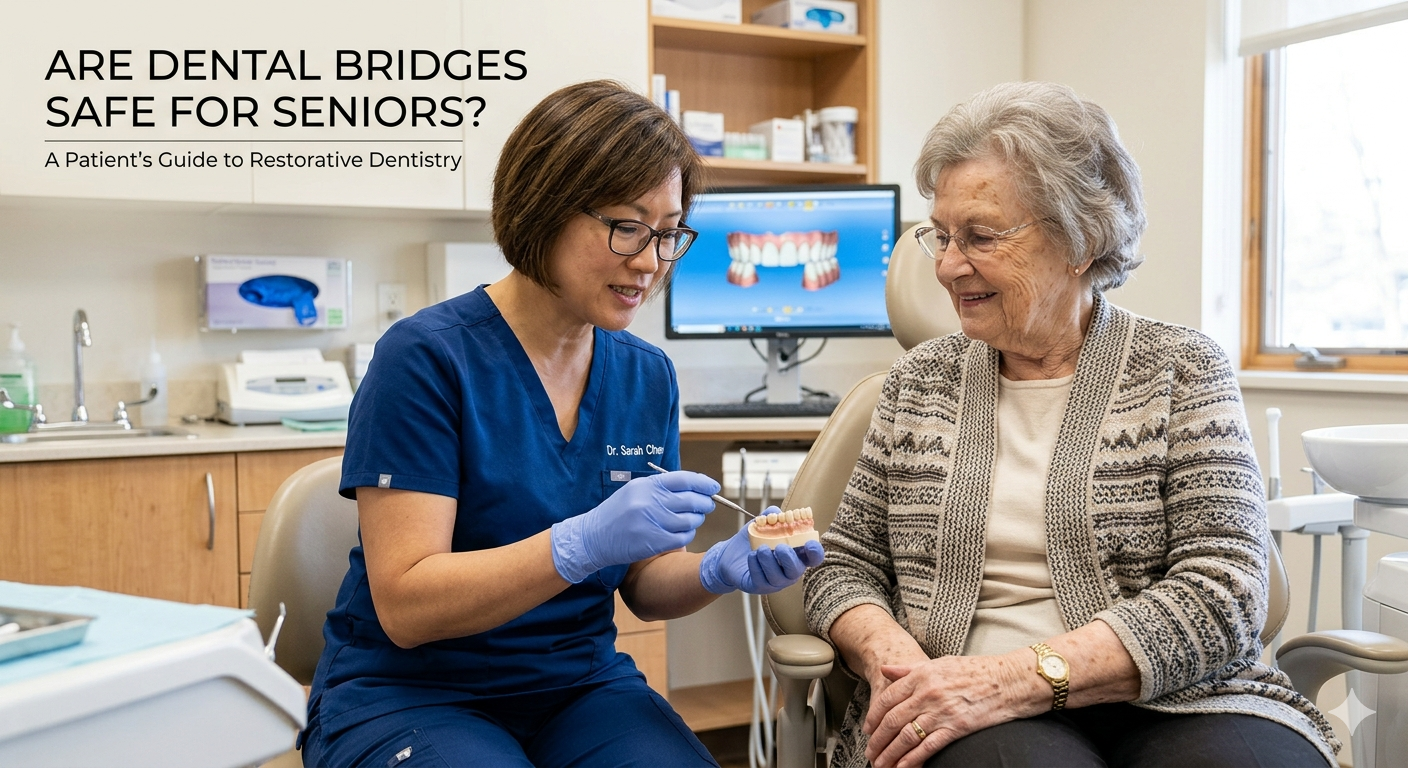
Are Dental Bridges Safe for Seniors?

Tooth loss is a common dental concern among older adults, but it does not have to affect quality of life. Missing teeth can make everyday activities like eating, speaking, and smiling more difficult. Fortunately, modern dentistry offers several reliable solutions, including dental bridges. Many seniors considering tooth replacement often ask, “Are dental bridges safe for seniors?” The answer is yes. Dental bridges are generally safe, effective, and widely recommended for older adults who want to restore their smile and oral function.

At The Dental Place, we understand the importance of comfortable, long-lasting dental solutions for seniors. Dental bridges can help improve both oral health and confidence when properly placed and maintained.

What Is a Dental Bridge?

A dental bridge is a fixed dental restoration used to replace one or more missing teeth. It works by filling the gap with an artificial tooth, called a pontic, that is supported by nearby natural teeth or dental implants.

There are several types of dental bridges available, including:

  • Traditional bridges
  • Cantilever bridges
  • Maryland bridges
  • Implant-supported bridges

The right type of bridge depends on the patient’s oral health, the location of the missing teeth, and overall treatment goals.

Why Tooth Replacement Matters for Seniors

Many seniors assume missing teeth are simply a natural part of aging, but untreated tooth loss can lead to several oral health issues. Missing teeth may cause:

  • Difficulty chewing healthy foods
  • Speech problems
  • Jawbone deterioration
  • Shifting of nearby teeth
  • Changes in facial appearance
  • Lower self-confidence

Replacing missing teeth with a dental bridge can help prevent these complications while restoring normal oral function.

Are Dental Bridges Safe for Older Adults?

Dental bridges are considered a safe and proven treatment option for seniors. Age alone does not determine whether someone is a good candidate for a bridge. Instead, dentists evaluate overall oral health, gum condition, and the strength of the surrounding teeth.

Before recommending a dental bridge, your dentist will perform a complete examination that may include X-rays and a review of your medical history. This helps ensure the treatment is both safe and successful.

For many seniors, dental bridges provide a less invasive alternative to dental implants while offering more stability than removable dentures.

Benefits of Dental Bridges for Seniors

Improved Chewing and Eating

Missing teeth can make it difficult to eat certain foods, especially healthy options like fruits, vegetables, and lean meats. Dental bridges restore bite function, making it easier for seniors to maintain a balanced and nutritious diet.

Better Speech

Teeth play an important role in clear pronunciation. Gaps caused by missing teeth can affect speech patterns. A dental bridge helps improve speech clarity and communication.

Enhanced Appearance

A complete smile can make a significant difference in self-esteem and social confidence. Dental bridges are designed to look natural and blend seamlessly with surrounding teeth.

Prevents Teeth from Shifting

When teeth are missing, neighboring teeth may gradually shift into the empty space. This movement can cause bite problems and increase the risk of additional dental issues. Bridges help maintain proper alignment.

Comfortable and Stable

Unlike removable dentures, dental bridges are fixed in place. Many seniors appreciate the stability and convenience they provide during daily activities such as eating and speaking.

Are There Any Risks?

Although dental bridges are generally safe, there are some considerations seniors should keep in mind.

Gum Health Is Important

Healthy gums are essential for supporting a dental bridge. Seniors with gum disease may need treatment before receiving a bridge.

Supporting Teeth Must Be Strong

Traditional bridges rely on nearby teeth for support. These teeth need to be healthy and strong enough to hold the bridge securely.

Oral Hygiene Matters

Bridges require proper cleaning to prevent plaque buildup and decay around supporting teeth. Special flossing tools and regular dental visits can help maintain oral health.

Normal Wear Over Time

Like other dental restorations, bridges may eventually need repair or replacement after years of use. With good care, however, many bridges can last well over a decade.

Tips for Caring for Dental Bridges

Seniors can extend the life of their dental bridge by following a few simple oral care habits:

  • Brush teeth twice daily with fluoride toothpaste
  • Floss carefully around the bridge
  • Use interdental brushes or floss threaders if recommended
  • Visit the dentist regularly for checkups and cleanings
  • Avoid chewing hard objects such as ice or hard candies

Good oral hygiene is the key to keeping both the bridge and surrounding teeth healthy.

Dental Bridges vs. Dentures for Seniors

Both bridges and dentures can replace missing teeth, but they offer different advantages. Dental bridges are fixed and generally feel more natural and secure. Dentures, on the other hand, may be recommended when multiple teeth are missing.

The best option depends on several factors, including oral health, budget, and personal preference. A consultation with a dental professional can help determine the most suitable treatment.

Final Thoughts

Dental bridges are a safe and effective solution for many seniors dealing with missing teeth. They can improve chewing ability, speech, appearance, and overall oral health. With proper care and regular dental visits, dental bridges can provide long-lasting comfort and confidence.

At The Dental Place, our team is dedicated to helping seniors achieve healthy, functional smiles with personalized dental care. If you are considering a dental bridge, Contact our team to guide you through every step of the process and help you find the best solution for your needs.
Dental

Dental Bridges and Your Diet: Foods to Embrace and Avoid After Treatment

Getting a dental bridge is an exciting step toward restoring your smile, confidence, and ability to chew properly. At The Dental Place, we believe that proper care doesn’t stop when you leave the dentist’s chair. What you eat—and avoid—after getting a dental bridge plays a critical role in your healing process and the long-term success of your restoration.

In this guide, we’ll walk you through the best foods to eat after your dental bridge procedure and the ones to avoid to keep your new smile looking and functioning its best.

The First Few Days: Soft Is Smart

Right after getting your dental bridge, whether it’s traditional, cantilever, Maryland, or implant-supported, your mouth needs time to adjust. Your gums and surrounding teeth may feel sore or sensitive, especially if extra procedures like tooth extraction or root canal were involved.

Best Foods During Initial Recovery:

Stick to soft, non-acidic, non-spicy foods that require minimal chewing. These foods help you avoid unnecessary pressure on your bridge while your mouth adjusts.

  • Mashed potatoes or sweet potatoes
  • Yogurt or Greek yogurt (unsweetened)
  • Scrambled eggs
  • Oatmeal or soft cereals
  • Smoothies (avoid seeds or chunks)
  • Cooked vegetables (well-steamed or boiled)
  • Soups and broths (lukewarm, not hot)

Remember to chew on the side opposite your new bridge during the first few days if your dentist recommends it.

As You Heal: Introducing More Texture

After a few days, once your mouth starts to feel better, you can slowly introduce foods with more substance. This period is essential for gradually strengthening the muscles and getting used to your new bite.

Foods to Add as You Heal:
  • Pasta and noodles (soft-cooked)
  • Soft fruits like bananas, avocados, and peaches
  • Rice and risotto
  • Tender fish and well-cooked chicken
  • Tofu or scrambled paneer
  • Soft sandwiches with crust removed
  • Cheese (soft varieties like mozzarella or brie)

Be sure to continue avoiding anything hard, crunchy, or sticky at this stage. Your bridge is still settling in, and sudden pressure or tugging can disrupt the fit or even damage it.

What to Avoid: Protecting Your Bridge for the Long Term

Even after full recovery, there are certain foods and habits that can harm your dental bridge. While bridges are durable and designed to function like natural teeth, they are not indestructible.

🚫 Foods to Avoid Long-Term:
  1. Sticky foods – Caramel, chewing gum, toffee, and gummy candies can loosen or dislodge your bridge.
  2. Hard foods – Ice, hard candies, popcorn kernels, and nuts can crack or chip the bridge.
  3. Chewy breads – Bagels, crusty rolls, and tough pizza crusts can pull on the bridge structure.
  4. Overly hot or cold items – Extreme temperatures can cause sensitivity or discomfort, especially right after placement.
  5. Sugary foods and drinks – These promote decay in the supporting teeth and can compromise the bridge’s longevity.

If you do indulge in any of these foods occasionally, be sure to chew cautiously and clean your teeth thoroughly afterward.

Healthy Eating for a Healthy Smile

A balanced diet supports not just your bridge, but your overall oral health. Focus on nutrient-rich foods that strengthen gums, bones, and teeth:

  • Calcium-rich foods like milk, yogurt, almonds, and leafy greens to support bone health.
  • Vitamin C from citrus fruits, bell peppers, and broccoli to keep your gums healthy.
  • Lean protein to support healing and tissue repair.
  • Water – Hydration helps wash away food particles and bacteria, keeping your mouth clean.

Final Tips from The Dental Place

  • Chew evenly: Once healed, try to use both sides of your mouth equally to avoid placing too much pressure on the bridge.
  • Cut food into smaller bites: This makes it easier to chew and reduces wear and tear.
  • Stay consistent with oral hygiene: Brush twice a day, floss (using a floss threader around the bridge), and rinse with a dentist-recommended mouthwash.
  • Schedule regular check-ups: Visit The Dental Place for routine exams to ensure your bridge remains secure and your supporting teeth stay healthy.
Your Bridge to Better Living Starts Here

At The Dental Place, we understand that dental work is more than a procedure—it’s a pathway to a better quality of life. Eating comfortably, speaking clearly, and smiling confidently are all possible with the right care.

If you’ve recently had a dental bridge placed or are considering one, don’t hesitate to reach out to us with any questions. We’re here to guide you every step of the way—from the dental chair to the dinner table. Contact The Dental Place today to book your personalized dental bridge consultation.

Dental

How Dental Bridges Improve Speech, Chewing, and Confidence

At The Dental Place, we understand that missing teeth do more than just leave a gap in your smile—they can also affect how you speak, eat, and feel about yourself. That’s why we offer restorative solutions like dental bridges that not only restore the appearance of your teeth but also bring back vital function and self-confidence.

If you’ve lost one or more teeth, dental bridges are a proven and reliable way to fill the gap, prevent further dental issues, and improve your overall quality of life. In this article, we’ll explore how dental bridges help enhance speech, chewing, and confidence, and why they remain a popular choice for many patients.

What Are Dental Bridges?

A dental bridge is a fixed dental restoration used to replace one or more missing teeth by anchoring to the adjacent natural teeth or dental implants. The bridge consists of:

  • Pontics: The false teeth that fill the gap left by missing teeth.
  • Abutments: The teeth or implants on either side of the gap that support the bridge.

Bridges are custom-made to blend seamlessly with your natural teeth, offering both function and aesthetics. They are typically made of porcelain, ceramic, or a combination of materials for durability and a natural look.

  1. Improving Speech

Teeth play a crucial role in helping you pronounce words correctly. Certain sounds, like “s,” “f,” and “th,” require specific tongue and tooth positioning. When teeth are missing—especially front teeth—it can interfere with how air flows through the mouth and how your tongue interacts with your teeth, often resulting in a speech impediment or lisp.

By filling in the gaps, dental bridges restore the natural shape and structure of your mouth. This allows your tongue to move properly and helps you pronounce words more clearly and confidently. Many patients report noticeable improvements in their speech shortly after receiving their dental bridge.

  1. Enhancing Chewing Ability

Chewing is a complex action that requires the coordinated movement of your jaws, teeth, and muscles. Missing teeth can disrupt this process in several ways:

  • Uneven Bite: When one or more teeth are missing, the force of your bite shifts to other areas, which can overwork certain teeth and cause discomfort or damage.
  • Food Restrictions: Patients often avoid certain foods—like apples, nuts, or meats—because they are difficult or painful to chew with missing teeth.
  • Digestive Issues: Inadequate chewing can lead to poor digestion, as food isn’t broken down properly before reaching the stomach.

Dental bridges restore proper bite alignment and chewing efficiency by filling in the missing teeth and allowing for more balanced pressure distribution. With your chewing function restored, you can enjoy a wider variety of foods—and better overall nutrition—without discomfort.

  1. Boosting Confidence and Self-Esteem

Your smile plays a big part in how you present yourself to the world. When you’re missing teeth, it’s natural to feel self-conscious or reluctant to smile, laugh, or even speak in social situations. This can affect your personal relationships, professional life, and overall self-esteem.

A dental bridge restores the appearance of your smile, making it whole and symmetrical again. The natural look of modern bridges means no one will notice you’ve had dental work done—just that you have a beautiful, healthy smile.

Patients often tell us that after receiving a bridge, they feel more confident at work, more comfortable in social situations, and happier overall. When you feel good about your smile, it shows in everything you do.

Additional Benefits of Dental Bridges

In addition to improving speech, chewing, and confidence, dental bridges also offer other long-term oral health benefits:

  • Preventing Teeth Shifting: When a tooth is lost, the surrounding teeth may begin to drift into the empty space, leading to bite problems and misalignment. A bridge keeps your teeth in place and maintains your smile’s structure.
  • Maintaining Facial Shape: Missing teeth can cause your cheeks to sag or your facial features to appear sunken. A bridge helps preserve the natural shape of your face.
  • Long-Lasting Solution: With proper care, dental bridges can last 10–15 years or even longer, making them a cost-effective and durable solution for tooth replacement.

Is a Dental Bridge Right for You?

If you’re missing one or more teeth and want a functional, natural-looking solution, a dental bridge might be the ideal choice. At The Dental Place, we offer a full range of restorative treatments, including bridges, crowns, and implants, to help you reclaim your smile and your confidence.

We’ll begin with a thorough consultation to assess your oral health, discuss your goals, and determine the best treatment plan tailored to your needs.

Restore What’s Missing—Function, Health, and Confidence

You don’t have to live with the discomfort and insecurity of missing teeth. A dental bridge can give you back the ability to speak clearly, eat comfortably, and smile confidently.

Contact The Dental Place today to schedule your consultation and take the first step toward a complete and confident smile.