Oral

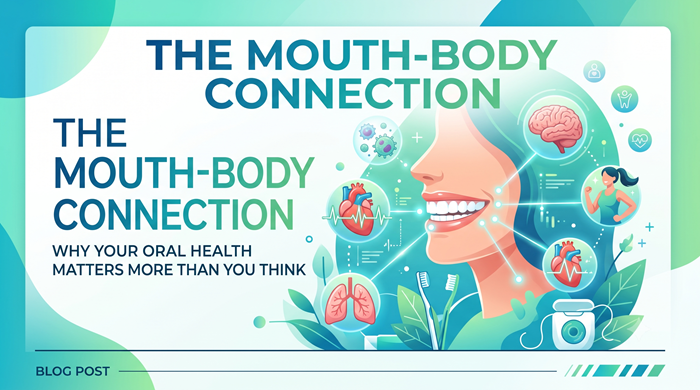
The Mouth-Body Connection: Why Your Oral Health Matters More Than You Think

For years, dental care was often viewed as something separate from general healthcare. You brushed your teeth, visited your dentist, treated cavities, and went about your day. Today, however, there is growing recognition that oral health is an important part of overall health and wellness.

Your mouth is the entry point to your digestive and respiratory systems, and the health of your teeth and gums can influence more than just your smile. That’s why preventive dental care is becoming an increasingly important part of maintaining long-term health.

At The Dental Place in Hamilton, we believe that a healthy smile starts with prevention, education, and regular professional care.

What Is the Mouth-Body Connection?

Your mouth contains millions of bacteria. Most are harmless when properly managed through good oral hygiene, but plaque buildup and untreated gum disease can allow harmful bacteria and inflammation to increase.

The Canadian Dental Association’s 2026 National Oral Health Month campaign emphasizes that oral health is connected to overall health and encourages Canadians to focus on everyday prevention, including brushing, flossing, healthy habits, and regular dental visits.

This doesn’t mean that every dental problem causes a medical condition. Instead, it highlights why taking care of your mouth should be considered part of your overall approach to health.

Gum Health Deserves More Attention

Gum disease is one of the most common oral health concerns among adults.

It can begin with relatively mild symptoms such as:

  • Red or swollen gums
  • Bleeding when brushing or flossing
  • Persistent bad breath
  • Tender gums
  • Gum recession

Because early gum disease may not cause significant pain, many people don’t seek treatment immediately.

With time, untreated gum disease can become more advanced and damage the tissues and bone that support your teeth. Regular dental examinations and professional cleanings allow your dental team to identify changes early and recommend appropriate treatment.

Your Mouth Can Reveal Important Changes

A dental examination isn’t simply about looking for cavities.

Dentists also examine the soft tissues of your mouth, gums, tongue, cheeks, and other areas for unusual changes. Oral cancer screening is an important part of comprehensive dental care because identifying suspicious changes early can make a significant difference.

Changes such as an unusual sore, lump, red or white patch, or area that doesn’t heal should be evaluated by a dental professional.

That is one reason regular dental appointments remain important even when your teeth feel perfectly fine.

Prevention Is Easier Than Treatment

One of the biggest advantages of preventive dentistry is the opportunity to find problems before they become complicated.

A small cavity may require a relatively simple restoration. If decay progresses into the inner portion of the tooth, however, treatment can become considerably more involved.

The same principle applies to gum disease, cracked teeth, worn enamel, and other dental concerns.

Regular checkups allow your dentist to monitor your oral health over time and identify potential issues before they turn into emergencies.

What Does Preventive Dentistry Include?

Preventive dentistry involves much more than simply getting your teeth cleaned.

Depending on your individual needs, your dental care may include:

  • Routine dental examinations
  • Professional teeth cleanings
  • Digital dental X-rays
  • Fluoride treatments
  • Dental sealants
  • Gum health assessments
  • Oral cancer screening
  • Personalized brushing and flossing guidance

Your dentist can also recommend lifestyle changes based on your oral health.

Your Daily Habits Matter

Professional dental care is only one part of maintaining a healthy smile.

Your everyday routine makes a major difference.

Brush Twice a Day

Use fluoride toothpaste and spend approximately two minutes brushing your teeth each time.

Clean Between Your Teeth

Brushing doesn’t effectively clean every surface between your teeth. Daily flossing or another dentist-recommended interdental cleaning method helps remove plaque from these areas.

Be Mindful of Sugar

Frequently consuming sugary drinks and snacks can increase your risk of tooth decay. Consider limiting sugary foods and choosing water more often.

Don’t Ignore Warning Signs

Tooth sensitivity, bleeding gums, persistent bad breath, swelling, or dental pain shouldn’t simply be ignored.

A problem doesn’t have to hurt significantly before it deserves attention.

Preventive Dentistry Can Save You Time and Stress

Many people only visit a dentist when something becomes painful. Unfortunately, dental emergencies can disrupt work, school, travel, and family plans.

Routine dental care can help identify concerns before they develop into urgent problems.

Preventive visits may also make treatment more straightforward because your dentist has the opportunity to monitor changes rather than treating an advanced condition all at once.

A Modern Approach to Dental Care

Dentistry continues to evolve, with digital imaging, improved diagnostic tools, minimally invasive techniques, and increasingly personalized treatment planning helping dental professionals provide more informed care.

Technology is becoming an important part of modern dentistry, but it doesn’t replace the dentist’s clinical judgment. Instead, these tools can support dentists in evaluating patients and explaining treatment options more clearly.

Why Choose The Dental Place in Hamilton?

At The Dental Place, our goal is to make maintaining your oral health simple and comfortable. We provide comprehensive dental care for families in Hamilton, from preventive examinations and professional cleanings to restorative, cosmetic, and orthodontic treatments.

Whether you’re due for your routine checkup, experiencing a dental concern, or simply want to improve your oral health habits, our team can help you understand your options and create a personalized plan.

Your Next Dental Visit Could Protect More Than Your Smile

A healthy mouth is an important part of a healthy lifestyle. You don’t need to wait for tooth pain or a dental emergency before making an appointment.

Regular examinations, professional cleanings, good home-care habits, and early treatment can help protect your teeth and gums for years to come.

If it’s been a while since your last dental visit, now is a good time to schedule a checkup with The Dental Place in Hamilton.

Your smile is part of your health. Take care of both.

Dental

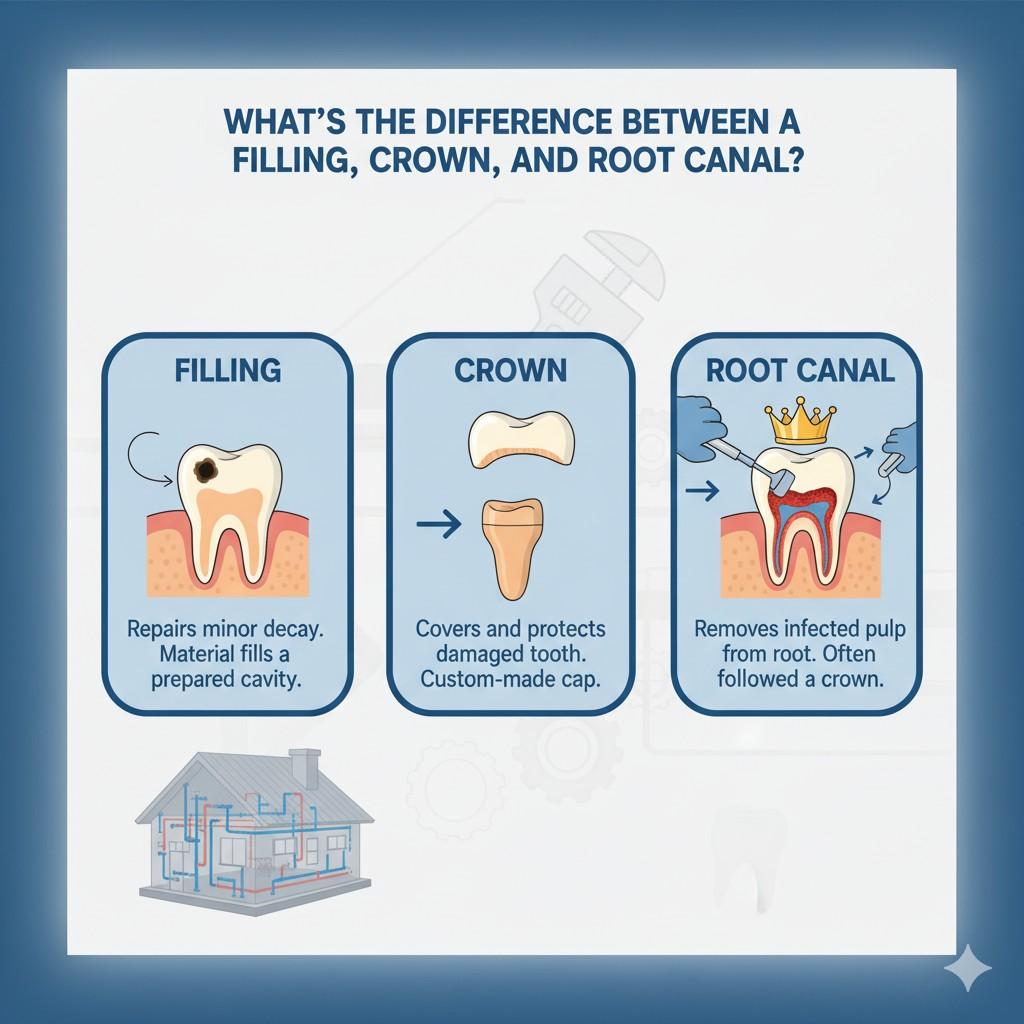
What’s the Difference Between a Filling, Crown, and Root Canal?

At The Dental Place, we often hear patients ask questions like: “Do I need a filling or a crown?” or “What exactly is a root canal?” While these treatments may sound intimidating, they’re actually quite common — and each one serves a different purpose when it comes to restoring your teeth and protecting your oral health.

Understanding the differences between a filling, a crown, and a root canal can help you feel more confident and informed about your dental care. In this blog, we’ll break down what each treatment is, when it’s needed, and what to expect during the procedure.

  1. Dental Fillings: Repairing Minor Tooth Damage

What Is a Filling?

A dental filling is one of the most basic and commonly performed procedures in dentistry. It’s used to repair a tooth that has been damaged by decay (a cavity) or minor fractures.

When Is a Filling Needed?

You might need a filling if:

  • You have a small to moderate cavity.
  • Your tooth has been slightly chipped or cracked.
  • You’re experiencing sensitivity due to enamel loss.

What Happens During the Procedure?

The dentist will:

  1. Numb the area around the affected tooth.
  2. Remove the decayed or damaged portion.
  3. Clean the space thoroughly.
  4. Fill the space with a material such as composite resin, amalgam, or ceramic.

The entire process usually takes less than an hour and restores both the function and appearance of your tooth.

Quick Summary:

  • Used for: Small cavities or minor damage
  • Time required: Single visit, usually under an hour
  • Lifespan: 5–15 years depending on the material used
  1. Dental Crowns: Full-Coverage Tooth Protection

What Is a Crown?

A dental crown is a cap that covers the entire visible portion of a tooth. It’s used when a tooth is too damaged or weakened for a filling to restore effectively.

When Is a Crown Needed?

You may need a crown if:

  • You have a large cavity that can’t be filled.
  • Your tooth is cracked, broken, or worn down.
  • You’ve had a root canal (more on that below).
  • You need to protect a weak tooth from breaking.

What Happens During the Procedure?

Getting a crown typically involves two visits:

  1. During the first visit, the dentist will shape the tooth, take an impression, and place a temporary crown.
  2. The impression is sent to a lab where your custom crown is made.
  3. At your second visit, the temporary crown is removed and the permanent one is cemented into place.

Crowns can be made from porcelain, ceramic, metal, or a combination, depending on your needs and preferences.

Quick Summary:

  • Used for: Heavily damaged, cracked, or weakened teeth
  • Time required: Two visits
  • Lifespan: 10–15+ years with proper care
  1. Root Canal Therapy: Saving an Infected Tooth

What Is a Root Canal?

A root canal is a procedure that treats the inside of the tooth — specifically the pulp, which contains nerves and blood vessels. When the pulp becomes infected or inflamed, a root canal is needed to save the tooth.

When Is a Root Canal Needed?

You may need a root canal if:

  • You have a deep cavity that has reached the tooth’s pulp.
  • You have a cracked or broken tooth that exposes the nerve.
  • You’re experiencing severe tooth pain, sensitivity, swelling, or a pimple on the gums.

What Happens During the Procedure?

  1. The dentist numbs the area and creates a small opening in the tooth.
  2. The infected pulp is removed, and the inside of the tooth is cleaned and disinfected.
  3. The space is filled with a material called gutta-percha.
  4. The opening is sealed, and in most cases, a crown is placed afterward to protect the tooth.

Despite its reputation, modern root canal therapy is virtually painless and no more uncomfortable than getting a filling.

Quick Summary:

  • Used for: Infected or severely damaged teeth
  • Time required: One or two visits
  • Lifespan: Often lasts a lifetime when followed by a crown

How Do You Know Which One You Need?

The right treatment depends on the severity of the damage, the location of the tooth, and the health of the surrounding tissue. That’s why a professional dental exam and X-rays are essential.

At The Dental Place, we always take the time to explain your options and recommend the best treatment based on your individual needs.

Final Thoughts

While a filling, crown, and root canal may sound similar, each plays a unique role in restoring your smile. Whether you have a small cavity or a more serious dental issue, the key is to address it early before it worsens.

If you’re experiencing tooth pain, sensitivity, or think something might be wrong, don’t wait.

📅 Book your appointment at The Dental Place today, and let our experienced team help you protect your teeth and restore your smile with comfort and care.

Dental

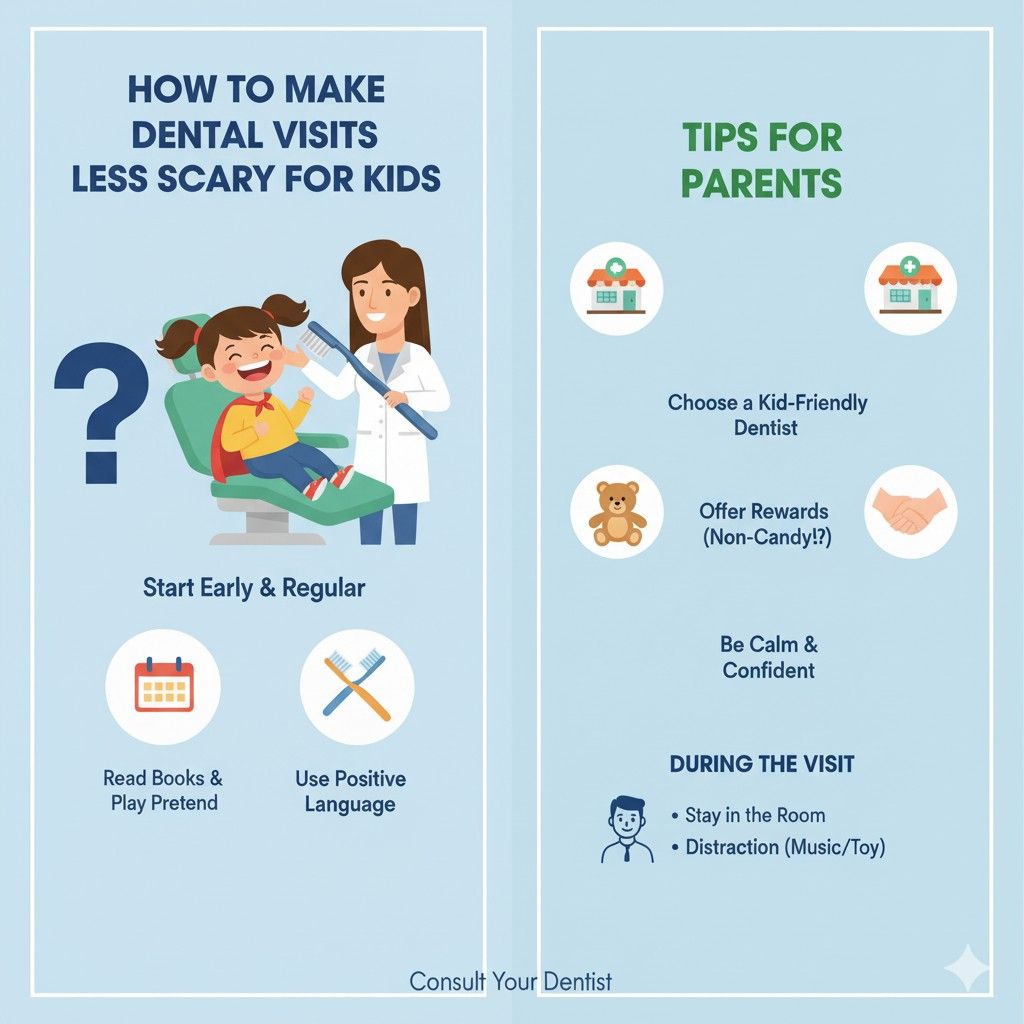
How to Make Dental Visits Less Scary for Kids

At The Dental Place, we understand that visiting the dentist can be an intimidating experience for children — and sometimes even for parents. Fear of the unknown, strange tools, and unfamiliar sounds can all contribute to dental anxiety. But regular dental checkups are essential for keeping your child’s teeth healthy and setting them up for a lifetime of good oral habits.

The good news? With the right approach, you can help make dental visits less scary — and even fun — for your child.

Here’s how.

  1. Start Early and Make It Routine

The earlier a child visits the dentist, the better. The Canadian Dental Association recommends scheduling the first dental visit within six months of the first tooth coming in, or by age one. Early visits help your child become familiar with the dental office and build trust with their dentist.

Regular checkups from a young age also reinforce that dental visits are just a normal part of life — not something to fear.

  1. Choose a Kid-Friendly Dental Office

Not all dental offices are created equal when it comes to treating children. At The Dental Place, we make every effort to create a welcoming, kid-friendly environment with gentle care, bright décor, and a friendly team who loves working with kids.

From the waiting room to the dental chair, the setting should feel safe and approachable. Some offices even have TVs, toys, or books to keep children occupied and relaxed.

  1. Use Positive Language

How you talk about the dentist matters. Avoid using scary or negative words like “hurt,” “pain,” “needle,” or “pull.” Instead, use simple and positive language. For example:

  • “The dentist is going to count your teeth.”
  • “You’ll get your teeth cleaned so they stay strong and healthy.”

Let the dental team explain any complex procedures — they’re trained to use age-appropriate language that’s non-threatening.

  1. Play Pretend Dentist at Home

One great way to ease fear is by playing “dentist” at home. Take turns being the dentist and the patient. Use a toothbrush to “check” each other’s teeth. Show your child how the dentist might count their teeth or clean them gently.

This role-playing game can help make the experience feel familiar, reduce fear of the unknown, and even make them excited for the real visit.

  1. Read Children’s Books About the Dentist

There are plenty of fun, educational books about going to the dentist. Reading these together before the appointment can help demystify the process and present it in a friendly, approachable way. Some popular titles include:

  • The Berenstain Bears Visit the Dentist by Stan & Jan Berenstain
  • Just Going to the Dentist by Mercer Mayer
  • Peppa Pig: Dentist Trip by Scholastic

These stories often show beloved characters having a positive dental experience, which can help children feel more confident.

  1. Keep Your Own Anxiety in Check

Kids pick up on their parents’ emotions. If you’re nervous about the dentist, try to stay calm and positive in front of your child. Avoid telling scary stories about your own dental visits. Instead, speak positively about how dentists help us stay healthy and pain-free.

Your confidence will help your child feel safe.

  1. Use Rewards and Praise (Not Bribes)

Offering small rewards — like a sticker or a trip to the park after the visit — can help children feel motivated and appreciated. Be careful not to bribe them with promises like “You’ll get a toy if you don’t cry.” This can unintentionally reinforce the idea that there’s something scary to endure.

Instead, praise their bravery and cooperation no matter how the visit goes.

  1. Stay Calm During the Appointment

During the visit, stay calm and reassuring. If your child becomes upset, don’t panic. The dental team at The Dental Place is trained to work with children and knows how to gently redirect and comfort them.

Stay nearby, hold their hand if needed, and let the dental professionals guide the process. With patience and empathy, even a nervous child can have a positive experience.

  1. Make Oral Hygiene Fun at Home

Creating fun habits at home can help your child develop a positive attitude toward oral care in general. Let them choose their own toothbrush (maybe one with a favourite character), use kid-friendly toothpaste, or play a fun song while brushing.

The more they associate teeth-cleaning with fun, the less intimidating the dentist will seem.

  1. Celebrate Progress

Even if the visit didn’t go perfectly, celebrate the effort. Whether they sat in the chair, opened their mouth for the dentist, or simply made it through the door — these are all steps forward. Each visit can build on the last, helping reduce fear over time.

Final Thoughts

Dental visits don’t have to be scary. With preparation, positivity, and support from a kid-friendly dental team like ours at The Dental Place, you can help your child feel confident and calm at every appointment.

Building trust early sets the foundation for a lifetime of healthy smiles — and happy dental visits.

📅 Is your child due for a checkup?
Contact The Dental Place today to schedule an appointment. Our caring team is here to make your child’s dental experience as comfortable and stress-free as possible.

Oral

Oral Health for Gamers: Protecting Your Smile During Long Gaming Sessions

Gaming isn’t just a hobby anymore—it’s a lifestyle. Whether you’re streaming on Twitch, training for an eSports tournament, or pulling an all-nighter with friends, those marathon gaming sessions can take a toll on more than just your posture and sleep. Your oral health is also at risk when hours pass by without a sip of water, a bathroom break, or even a thought about your teeth.

At The Dental Place, we understand that gamers want to keep their health in check without sacrificing precious playtime. Here’s how to protect your smile while leveling up in your favorite game.

  1. Understand the Gaming-Oral Health Connection

When you’re deep into a mission or trying to top the leaderboard, you might forget about the little things—like sipping water, eating balanced snacks, or taking breaks. Unfortunately, these small habits can create the perfect environment for plaque, cavities, and gum problems.

Some common gamer habits that affect oral health include:

  • Sugary Energy Drinks: High in sugar and acidic, they can erode enamel and cause cavities.
  • Sticky Snacks: Chips, candy, and cookies cling to teeth and feed harmful bacteria.
  • Mouth Breathing: Hours of intense focus can lead to open-mouth breathing, which dries the mouth and increases decay risk.

Awareness is the first step to prevention.

  1. Power-Up with Hydration

Energy drinks might give you a temporary boost, but water is your true MVP when it comes to oral health. Staying hydrated keeps your mouth moist, washes away food particles, and prevents bacteria from multiplying.

Pro tip for gamers:

  • Keep a refillable water bottle at your gaming station.
  • Alternate between energy drinks and water if you must have caffeine.
  • Try sugar-free electrolyte drinks instead of soda for long sessions.
  1. Choose Gamer-Friendly Snacks

We get it—gaming and snacking go hand in hand. But not all snacks are created equal for your teeth. Instead of sticky candy or crumb-heavy chips, try these tooth-friendly options:

  • Cheese cubes or string cheese (neutralizes acids in the mouth)
  • Apple slices (help clean teeth naturally)
  • Nuts like almonds or cashews (low in sugar, packed with nutrients)
  • Sugar-free gum (stimulates saliva and freshens breath)

Make these swaps, and you can keep your smile healthy without giving up the fun of mid-game munching.

  1. Schedule “AFK” Dental Breaks

Just like your character needs rest to regain health points, your teeth need regular care throughout the day. Set an alarm or reminder every 1–2 hours to:

  • Drink water
  • Stretch
  • Use sugar-free gum
  • If possible, rinse your mouth or brush

Even a quick break can reset your body and protect your smile.

  1. Combat the Dry Mouth Boss

Dry mouth is one of the biggest enemies for gamers. Without enough saliva, harmful bacteria can multiply, leading to bad breath, cavities, and gum disease.

To fight back:

  • Use a humidifier in your gaming room if the air is dry.
  • Keep sugar-free mints nearby.
  • Avoid overly salty snacks that can worsen dryness.
  1. Stick to a Strong Dental Routine

No matter how intense your gaming schedule gets, your twice-a-day brushing and once-a-day flossing rule should never be skipped. Use a fluoride toothpaste to strengthen enamel and an electric toothbrush for the best results.

Pro tip for late-night gamers: Even if you’re exhausted, brush before bed. Falling asleep with plaque on your teeth is like leaving your console on overnight—it overheats your dental health system.

  1. See Your Dentist for Regular “System Checks”

Gamers upgrade their equipment to perform at their best. Your mouth needs the same care. Scheduling regular dental checkups at The Dental Place ensures we catch small problems before they become major issues.

Think of us as your smile’s tech support—we’ll debug problems before they crash your system.

Final Thoughts

Long gaming sessions are fun, competitive, and even social—but they can also challenge your oral health. By staying hydrated, making smarter snack choices, taking short breaks, and keeping up with your dental routine, you can protect your smile without sacrificing your game time.

At The Dental Place, we’re here to help gamers of all levels keep their smiles strong and healthy. Whether you’re a casual player or a pro streamer, we’ve got the strategies you need to win the fight against cavities and gum disease.

Level up your oral health—book your next checkup with The Dental Place today!