
Oral

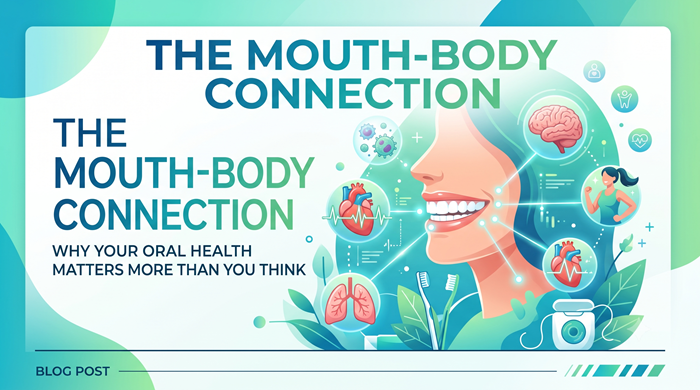
The Mouth-Body Connection: Why Your Oral Health Matters More Than You Think

For years, dental care was often viewed as something separate from general healthcare. You brushed your teeth, visited your dentist, treated cavities, and went about your day. Today, however, there is growing recognition that oral health is an important part of overall health and wellness.

Your mouth is the entry point to your digestive and respiratory systems, and the health of your teeth and gums can influence more than just your smile. That’s why preventive dental care is becoming an increasingly important part of maintaining long-term health.

At The Dental Place in Hamilton, we believe that a healthy smile starts with prevention, education, and regular professional care.

What Is the Mouth-Body Connection?

Your mouth contains millions of bacteria. Most are harmless when properly managed through good oral hygiene, but plaque buildup and untreated gum disease can allow harmful bacteria and inflammation to increase.

The Canadian Dental Association’s 2026 National Oral Health Month campaign emphasizes that oral health is connected to overall health and encourages Canadians to focus on everyday prevention, including brushing, flossing, healthy habits, and regular dental visits.

This doesn’t mean that every dental problem causes a medical condition. Instead, it highlights why taking care of your mouth should be considered part of your overall approach to health.

Gum Health Deserves More Attention

Gum disease is one of the most common oral health concerns among adults.

It can begin with relatively mild symptoms such as:

  • Red or swollen gums
  • Bleeding when brushing or flossing
  • Persistent bad breath
  • Tender gums
  • Gum recession

Because early gum disease may not cause significant pain, many people don’t seek treatment immediately.

With time, untreated gum disease can become more advanced and damage the tissues and bone that support your teeth. Regular dental examinations and professional cleanings allow your dental team to identify changes early and recommend appropriate treatment.

Your Mouth Can Reveal Important Changes

A dental examination isn’t simply about looking for cavities.

Dentists also examine the soft tissues of your mouth, gums, tongue, cheeks, and other areas for unusual changes. Oral cancer screening is an important part of comprehensive dental care because identifying suspicious changes early can make a significant difference.

Changes such as an unusual sore, lump, red or white patch, or area that doesn’t heal should be evaluated by a dental professional.

That is one reason regular dental appointments remain important even when your teeth feel perfectly fine.

Prevention Is Easier Than Treatment

One of the biggest advantages of preventive dentistry is the opportunity to find problems before they become complicated.

A small cavity may require a relatively simple restoration. If decay progresses into the inner portion of the tooth, however, treatment can become considerably more involved.

The same principle applies to gum disease, cracked teeth, worn enamel, and other dental concerns.

Regular checkups allow your dentist to monitor your oral health over time and identify potential issues before they turn into emergencies.

What Does Preventive Dentistry Include?

Preventive dentistry involves much more than simply getting your teeth cleaned.

Depending on your individual needs, your dental care may include:

  • Routine dental examinations
  • Professional teeth cleanings
  • Digital dental X-rays
  • Fluoride treatments
  • Dental sealants
  • Gum health assessments
  • Oral cancer screening
  • Personalized brushing and flossing guidance

Your dentist can also recommend lifestyle changes based on your oral health.

Your Daily Habits Matter

Professional dental care is only one part of maintaining a healthy smile.

Your everyday routine makes a major difference.

Brush Twice a Day

Use fluoride toothpaste and spend approximately two minutes brushing your teeth each time.

Clean Between Your Teeth

Brushing doesn’t effectively clean every surface between your teeth. Daily flossing or another dentist-recommended interdental cleaning method helps remove plaque from these areas.

Be Mindful of Sugar

Frequently consuming sugary drinks and snacks can increase your risk of tooth decay. Consider limiting sugary foods and choosing water more often.

Don’t Ignore Warning Signs

Tooth sensitivity, bleeding gums, persistent bad breath, swelling, or dental pain shouldn’t simply be ignored.

A problem doesn’t have to hurt significantly before it deserves attention.

Preventive Dentistry Can Save You Time and Stress

Many people only visit a dentist when something becomes painful. Unfortunately, dental emergencies can disrupt work, school, travel, and family plans.

Routine dental care can help identify concerns before they develop into urgent problems.

Preventive visits may also make treatment more straightforward because your dentist has the opportunity to monitor changes rather than treating an advanced condition all at once.

A Modern Approach to Dental Care

Dentistry continues to evolve, with digital imaging, improved diagnostic tools, minimally invasive techniques, and increasingly personalized treatment planning helping dental professionals provide more informed care.

Technology is becoming an important part of modern dentistry, but it doesn’t replace the dentist’s clinical judgment. Instead, these tools can support dentists in evaluating patients and explaining treatment options more clearly.

Why Choose The Dental Place in Hamilton?

At The Dental Place, our goal is to make maintaining your oral health simple and comfortable. We provide comprehensive dental care for families in Hamilton, from preventive examinations and professional cleanings to restorative, cosmetic, and orthodontic treatments.

Whether you’re due for your routine checkup, experiencing a dental concern, or simply want to improve your oral health habits, our team can help you understand your options and create a personalized plan.

Your Next Dental Visit Could Protect More Than Your Smile

A healthy mouth is an important part of a healthy lifestyle. You don’t need to wait for tooth pain or a dental emergency before making an appointment.

Regular examinations, professional cleanings, good home-care habits, and early treatment can help protect your teeth and gums for years to come.

If it’s been a while since your last dental visit, now is a good time to schedule a checkup with The Dental Place in Hamilton.

Your smile is part of your health. Take care of both.
Dental

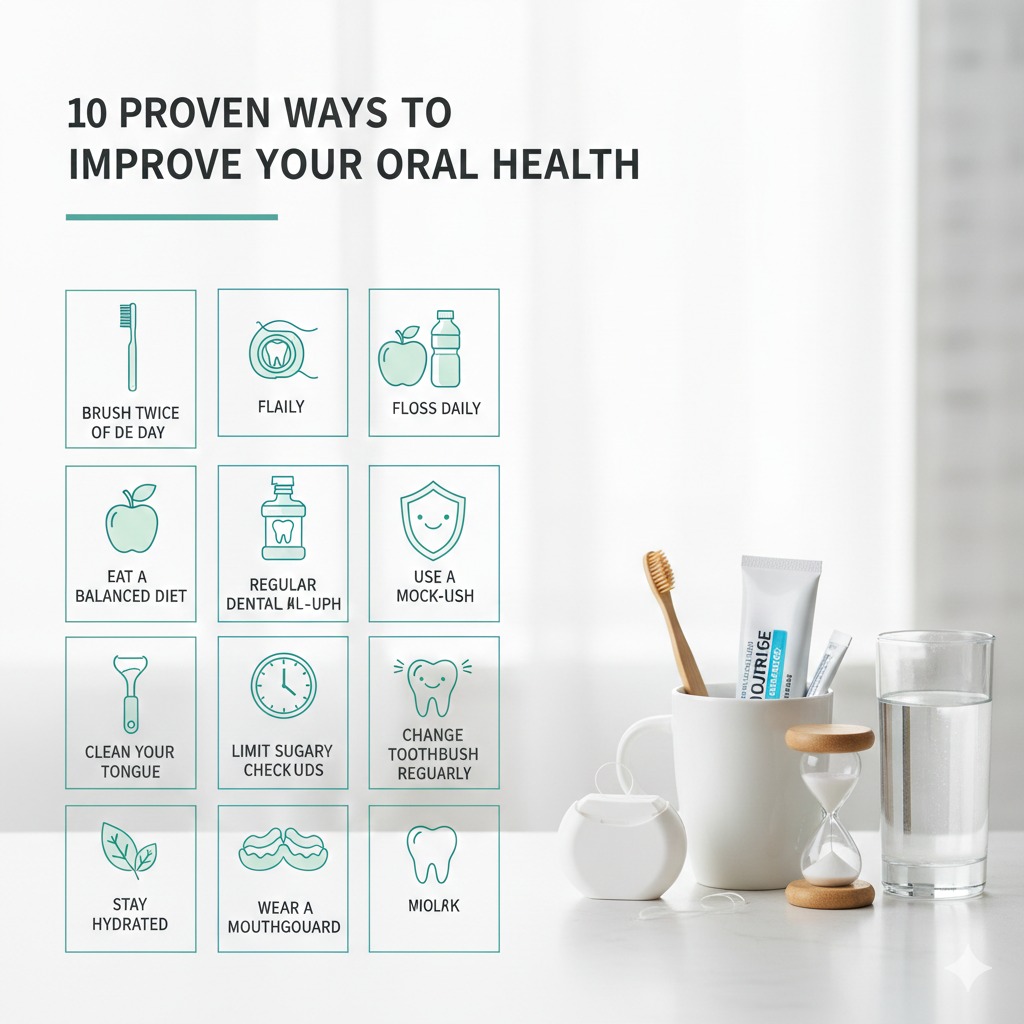
10 Proven Ways to Improve Your Oral Health

A healthy smile is about more than just looking good—it plays a vital role in your overall health and confidence. At The Dental Place, we believe great oral health starts with simple daily habits backed by professional care. Whether you’re trying to prevent cavities, improve gum health, or keep your teeth strong for life, these proven tips can make a real difference.

Here are 10 effective ways to improve your oral health and keep your smile at its best.

  1. Brush Twice a Day (the Right Way)

Brushing twice daily is essential, but technique matters just as much as frequency. Use a soft-bristled toothbrush and fluoride toothpaste, brushing gently in circular motions for at least two minutes. Don’t forget to clean along the gumline, where plaque loves to hide.

  1. Don’t Skip Flossing

Flossing once a day removes plaque and food particles from places your toothbrush can’t reach—especially between teeth. Regular flossing helps prevent cavities, gum disease, and bad breath. If traditional floss feels tricky, floss picks or water flossers are great alternatives.

  1. Use Mouthwash for Extra Protection

An antimicrobial or fluoride mouthwash can reduce bacteria, strengthen enamel, and freshen breath. Mouthwash isn’t a replacement for brushing and flossing, but it’s a powerful addition to your daily routine.

  1. Limit Sugary and Acidic Foods

Sugary snacks and acidic drinks feed harmful bacteria that cause tooth decay. Try to limit sodas, sweets, and processed foods. When you do indulge, rinse your mouth with water afterward and wait at least 30 minutes before brushing to protect your enamel.

  1. Drink Plenty of Water

Water helps wash away food particles and bacteria while keeping your mouth hydrated. Fluoridated water also strengthens tooth enamel and helps prevent cavities. Sipping water throughout the day is one of the easiest ways to support oral health.

  1. Eat Tooth-Friendly Foods

A balanced diet supports strong teeth and healthy gums. Foods rich in calcium (like dairy products), phosphorus (such as eggs and fish), and vitamins A and C (found in fruits and vegetables) help protect and repair your teeth and gums naturally.

  1. Replace Your Toothbrush Regularly

Over time, toothbrush bristles wear out and become less effective. Replace your toothbrush—or electric toothbrush head—every three to four months, or sooner if the bristles are frayed.

  1. Don’t Ignore Your Gums

Healthy gums are just as important as healthy teeth. Redness, swelling, bleeding, or persistent bad breath can be early signs of gum disease. If you notice any of these symptoms, schedule a dental visit as soon as possible. Early treatment can prevent serious problems down the line.

  1. Avoid Tobacco Products

Smoking and chewing tobacco significantly increase the risk of gum disease, tooth loss, oral cancer, and stained teeth. Quitting tobacco is one of the best decisions you can make for both your oral and overall health—and your smile will thank you.

  1. Visit Your Dentist Regularly

Routine dental checkups and professional cleanings are key to long-term oral health. At The Dental Place, we recommend visiting your dentist every six months. Regular exams allow us to catch issues early, provide thorough cleanings, and help you maintain a healthy, confident smile.

Your Smile Starts Here

Improving your oral health doesn’t require drastic changes—just consistency, smart habits, and professional support. At The Dental Place, our experienced dental team is here to guide you every step of the way, from preventive care to advanced treatments.

If it’s been a while since your last dental visit, or if you’re ready to take better care of your smile, book an appointment with The Dental Place today. Your healthiest smile starts with us.

Oral

Oral Health for Gamers: Protecting Your Smile During Long Gaming Sessions

Gaming isn’t just a hobby anymore—it’s a lifestyle. Whether you’re streaming on Twitch, training for an eSports tournament, or pulling an all-nighter with friends, those marathon gaming sessions can take a toll on more than just your posture and sleep. Your oral health is also at risk when hours pass by without a sip of water, a bathroom break, or even a thought about your teeth.

At The Dental Place, we understand that gamers want to keep their health in check without sacrificing precious playtime. Here’s how to protect your smile while leveling up in your favorite game.

  1. Understand the Gaming-Oral Health Connection

When you’re deep into a mission or trying to top the leaderboard, you might forget about the little things—like sipping water, eating balanced snacks, or taking breaks. Unfortunately, these small habits can create the perfect environment for plaque, cavities, and gum problems.

Some common gamer habits that affect oral health include:

  • Sugary Energy Drinks: High in sugar and acidic, they can erode enamel and cause cavities.
  • Sticky Snacks: Chips, candy, and cookies cling to teeth and feed harmful bacteria.
  • Mouth Breathing: Hours of intense focus can lead to open-mouth breathing, which dries the mouth and increases decay risk.

Awareness is the first step to prevention.

  1. Power-Up with Hydration

Energy drinks might give you a temporary boost, but water is your true MVP when it comes to oral health. Staying hydrated keeps your mouth moist, washes away food particles, and prevents bacteria from multiplying.

Pro tip for gamers:

  • Keep a refillable water bottle at your gaming station.
  • Alternate between energy drinks and water if you must have caffeine.
  • Try sugar-free electrolyte drinks instead of soda for long sessions.
  1. Choose Gamer-Friendly Snacks

We get it—gaming and snacking go hand in hand. But not all snacks are created equal for your teeth. Instead of sticky candy or crumb-heavy chips, try these tooth-friendly options:

  • Cheese cubes or string cheese (neutralizes acids in the mouth)
  • Apple slices (help clean teeth naturally)
  • Nuts like almonds or cashews (low in sugar, packed with nutrients)
  • Sugar-free gum (stimulates saliva and freshens breath)

Make these swaps, and you can keep your smile healthy without giving up the fun of mid-game munching.

  1. Schedule “AFK” Dental Breaks

Just like your character needs rest to regain health points, your teeth need regular care throughout the day. Set an alarm or reminder every 1–2 hours to:

  • Drink water
  • Stretch
  • Use sugar-free gum
  • If possible, rinse your mouth or brush

Even a quick break can reset your body and protect your smile.

  1. Combat the Dry Mouth Boss

Dry mouth is one of the biggest enemies for gamers. Without enough saliva, harmful bacteria can multiply, leading to bad breath, cavities, and gum disease.

To fight back:

  • Use a humidifier in your gaming room if the air is dry.
  • Keep sugar-free mints nearby.
  • Avoid overly salty snacks that can worsen dryness.
  1. Stick to a Strong Dental Routine

No matter how intense your gaming schedule gets, your twice-a-day brushing and once-a-day flossing rule should never be skipped. Use a fluoride toothpaste to strengthen enamel and an electric toothbrush for the best results.

Pro tip for late-night gamers: Even if you’re exhausted, brush before bed. Falling asleep with plaque on your teeth is like leaving your console on overnight—it overheats your dental health system.

  1. See Your Dentist for Regular “System Checks”

Gamers upgrade their equipment to perform at their best. Your mouth needs the same care. Scheduling regular dental checkups at The Dental Place ensures we catch small problems before they become major issues.

Think of us as your smile’s tech support—we’ll debug problems before they crash your system.

Final Thoughts

Long gaming sessions are fun, competitive, and even social—but they can also challenge your oral health. By staying hydrated, making smarter snack choices, taking short breaks, and keeping up with your dental routine, you can protect your smile without sacrificing your game time.

At The Dental Place, we’re here to help gamers of all levels keep their smiles strong and healthy. Whether you’re a casual player or a pro streamer, we’ve got the strategies you need to win the fight against cavities and gum disease.

Level up your oral health—book your next checkup with The Dental Place today!

Dental Oral

How Your Oral Health Affects Your Heart: The Surprising Connection

At The Dental Place, we believe that taking care of your teeth is about more than just having a bright smile—it’s about overall health. One of the most surprising links we’ve discovered is the connection between oral health and heart health. Recent research has shown that poor oral hygiene can increase your risk for heart disease, even if you’re otherwise healthy. Here’s a closer look at how your oral health can affect your heart and what steps you can take to protect both.

The Link Between Oral Health and Heart Disease

For years, scientists have been studying the connection between oral health and heart disease, and while the exact mechanisms aren’t fully understood, the evidence is growing. The primary theory behind this connection revolves around gum disease (also called periodontal disease), which occurs when the tissues around your teeth become infected and inflamed. If left untreated, this condition can lead to tooth loss and has been linked to an increased risk of heart disease.

Gum disease is caused by the accumulation of plaque—a sticky film of bacteria—on your teeth. When plaque hardens into tartar, it can cause inflammation in your gums, leading to gum disease. Bacteria from the infected gums can enter the bloodstream and travel to other parts of the body, including the heart. These bacteria can cause inflammation in the blood vessels, which in turn increases the risk of developing atherosclerosis (narrowing of the arteries) and heart disease.

How Does Gum Disease Affect the Heart?

When harmful bacteria from infected gums enter your bloodstream, they can contribute to a process called inflammation, which plays a key role in heart disease. This inflammation can damage blood vessels and increase the likelihood of plaque buildup in the arteries, a condition known as atherosclerosis. Over time, this buildup can restrict blood flow to the heart, raising the risk of heart attack, stroke, and other cardiovascular problems.

Additionally, gum disease may also trigger the formation of blood clots, which can obstruct blood vessels and further increase the risk of cardiovascular events. Studies have shown that people with severe gum disease are more likely to suffer from heart attacks, strokes, and other cardiovascular diseases than those with healthy gums.

The Risk Factors: More Than Just Gum Disease

While gum disease is a significant factor, other aspects of oral health can also influence your heart. Poor oral hygiene and untreated dental issues like cavities or infected teeth can increase the risk of bacterial infections entering the bloodstream. These bacteria can travel to various organs, including the heart, leading to conditions like infective endocarditis, a serious infection of the inner lining of the heart chambers and valves.

Moreover, people who suffer from tooth loss due to untreated dental problems may experience difficulties with chewing, which can lead to poor nutrition. A diet lacking in essential vitamins and minerals can negatively affect cardiovascular health over time.

The Shared Risk Factors Between Oral and Heart Health

Interestingly, oral health and heart disease share common risk factors. For instance, conditions such as diabetes, smoking, and poor diet are linked to both gum disease and heart disease. People with uncontrolled diabetes are more prone to gum infections and inflammation because high blood sugar weakens the body’s immune response. Similarly, smoking damages blood vessels and can increase the risk of both gum disease and heart disease.

Poor diet, particularly one high in sugary foods and processed carbohydrates, not only contributes to tooth decay and gum disease but can also lead to obesity, high blood pressure, and high cholesterol—all of which increase the risk of heart disease. Maintaining a healthy lifestyle, which includes a balanced diet, regular exercise, and avoiding smoking, can improve both your oral and heart health.

How to Protect Both Your Heart and Your Teeth

The good news is that maintaining good oral health can also improve your heart health. Here are some key steps you can take to reduce your risk of both gum disease and heart disease:

  1. Brush and Floss Regularly: Brushing twice a day with fluoride toothpaste and flossing daily can help remove plaque and bacteria from your teeth and gums, preventing gum disease. Use a soft-bristled toothbrush to avoid damaging your gums.
  2. Visit Your Dentist Regularly: Regular dental checkups are essential for catching gum disease early and preventing it from progressing. Your dentist can also clean your teeth professionally, removing plaque and tartar that can contribute to gum disease.
  3. Maintain a Healthy Diet: A balanced diet rich in fruits, vegetables, lean proteins, and whole grains can help keep both your heart and teeth in top shape. Limit your intake of sugary and acidic foods that can promote tooth decay and inflammation.
  4. Don’t Smoke: Smoking is a major risk factor for both gum disease and heart disease. Quitting smoking can dramatically reduce your risk for both conditions and improve your overall health.
  5. Manage Your Stress: Chronic stress can contribute to both gum disease and heart disease. Practice stress-reducing activities like meditation, yoga, or deep breathing exercises to help keep your mind and body healthy.
  6. Control Your Blood Pressure and Cholesterol: If you have high blood pressure or high cholesterol, work with your healthcare provider to manage these conditions. Keeping these factors under control can reduce your risk of both heart disease and gum disease.

The Takeaway

Oral health and heart health are closely intertwined, and maintaining a healthy mouth is an essential part of taking care of your heart. By practicing good oral hygiene, visiting your dentist regularly, and leading a heart-healthy lifestyle, you can significantly reduce your risk of developing both gum disease and heart disease. At The Dental Place, we are here to help you achieve optimal oral health, so you can enjoy a healthy heart and a bright smile for years to come.

If you’re due for a checkup, or if you have concerns about your oral health and its connection to your heart, don’t hesitate to schedule an appointment with us today. Your heart will thank you!