A healthy smile is essential for your comfort, confidence, and overall well-being. However, when a tooth becomes severely infected or damaged, it can lead to significant pain and serious oral health complications. In many cases, a root canal treatment can save the affected tooth and relieve discomfort before the problem worsens.
At The Dental Place, we often see patients who delay treatment because they are unsure whether their symptoms are serious. Recognizing the warning signs early can help protect your oral health and prevent more extensive dental procedures in the future.
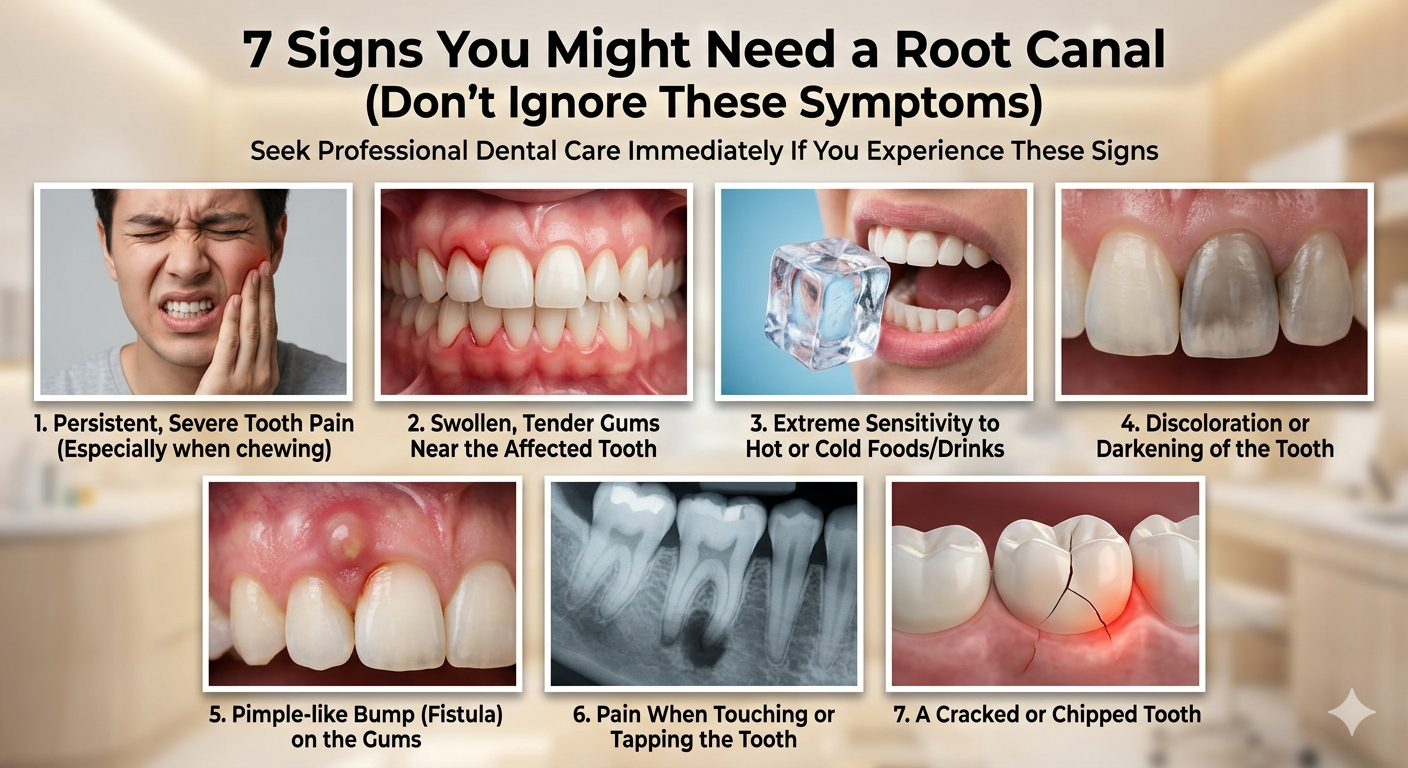
Here are seven important signs you might need a root canal and why you should never ignore them.
What Is a Root Canal?
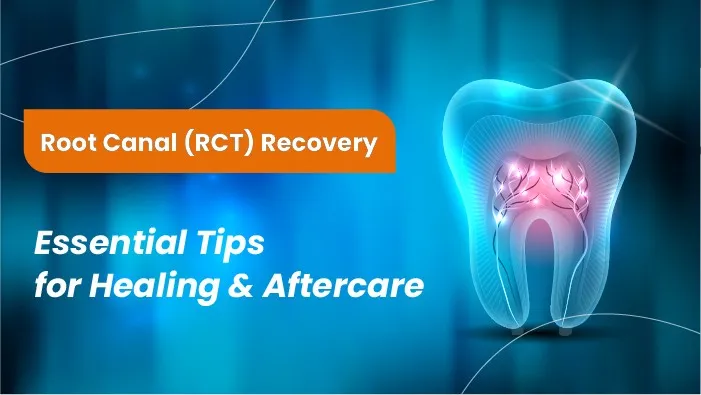
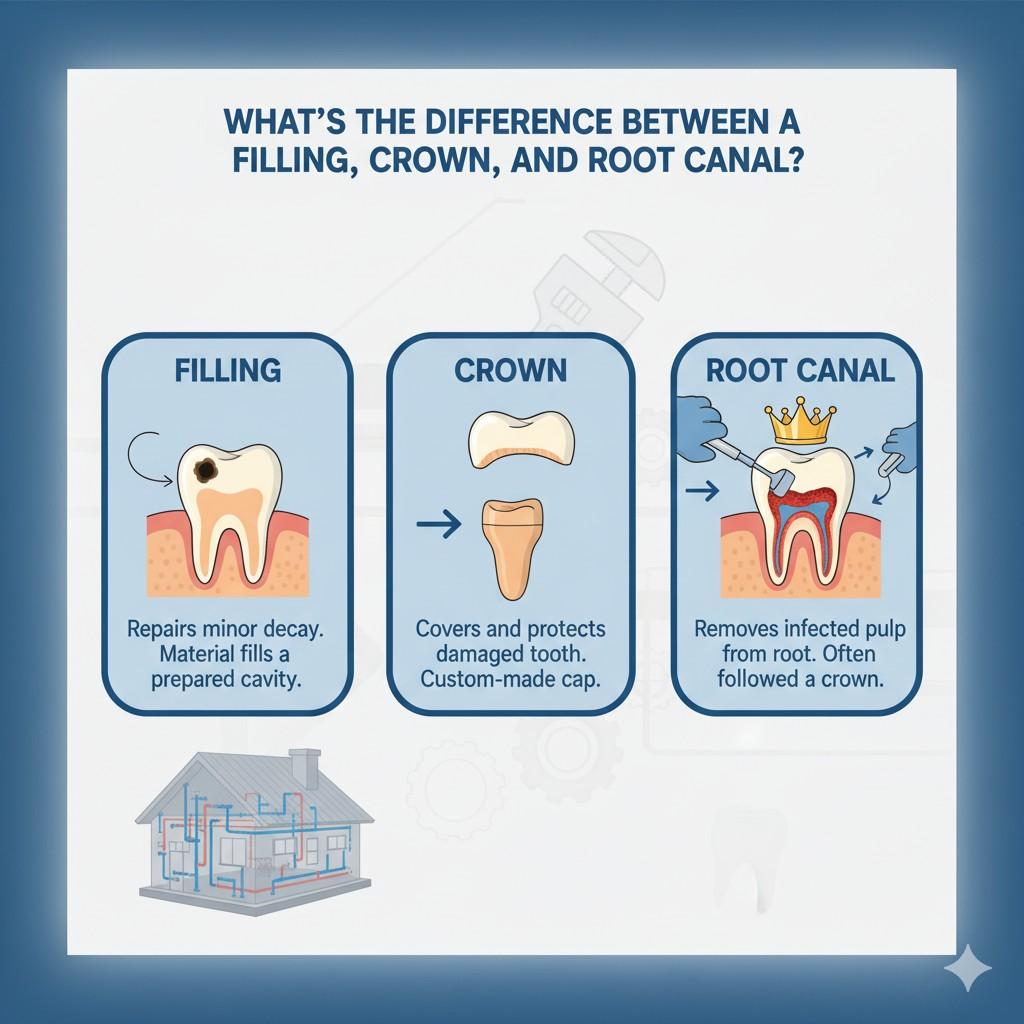
A root canal is a dental procedure used to treat infection or damage inside a tooth. Deep within every tooth is soft tissue called pulp, which contains nerves and blood vessels. When this pulp becomes infected due to decay, cracks, trauma, or repeated dental procedures, it can cause pain and inflammation.
During a root canal, the infected pulp is removed, the inside of the tooth is cleaned and disinfected, and the tooth is sealed to prevent further infection. This treatment helps save your natural tooth while eliminating pain.
-
Persistent Tooth Pain
One of the most common signs you may need a root canal is ongoing tooth pain. While occasional tooth sensitivity can be normal, constant or severe pain is often a warning sign of deeper infection.
The pain may:
- Occur while chewing or biting
- Feel sharp, throbbing, or deep
- Spread to the jaw, ear, or nearby teeth
- Continue even when you are not eating
If tooth pain does not go away or keeps returning, it is important to schedule a dental evaluation as soon as possible.
-
Sensitivity to Hot and Cold
Temporary sensitivity after consuming hot coffee or cold ice cream is common. However, prolonged sensitivity that lingers long after the temperature exposure may indicate nerve damage inside the tooth.
You may notice:
- Sharp pain when drinking hot beverages
- Discomfort from cold foods
- Sensitivity that lasts several seconds or longer
This symptom often suggests that the tooth pulp is inflamed or infected and may require root canal treatment.
-
Swollen or Tender Gums
Swelling around a tooth can signal an infection beneath the gum line. In some cases, the swelling may come and go, while other times it may become painful or noticeable.
Signs to watch for include:
- Tender gums near a specific tooth
- Puffiness or swelling
- A small bump or pimple on the gums
- Drainage or an unpleasant taste in the mouth
An untreated dental infection can spread to surrounding tissues, making prompt treatment essential.
-
Darkening or Discoloration of a Tooth
A tooth that suddenly becomes gray, dark yellow, or discolored may be experiencing internal damage. This often occurs when the tooth’s nerve tissue begins to die due to trauma or infection.
Unlike surface stains caused by food or drinks, discoloration related to nerve damage usually affects only one tooth. A dentist can determine whether a root canal is necessary to save the tooth.
-
Pain When Chewing or Touching the Tooth
If biting down causes pain or pressure sensitivity, the tooth’s inner pulp may be infected. This discomfort often worsens over time and may indicate inflammation around the tooth root.
You may experience:
- Pain while eating
- Discomfort when touching the tooth
- Pressure sensitivity
- Difficulty chewing on one side
Ignoring this symptom can allow the infection to progress and potentially lead to tooth loss.
-
A Cracked or Chipped Tooth
A cracked or chipped tooth may expose the inner pulp to bacteria, increasing the risk of infection. Dental injuries can occur from accidents, sports activities, chewing hard foods, or grinding teeth.
Even if the crack seems minor, bacteria can enter the tooth and cause serious complications over time. If you have damaged a tooth and begin experiencing pain or sensitivity, it is important to seek dental care promptly.
-
A Persistent Pimple on the Gums
A small bump or pimple-like area on the gums, known as a dental abscess, is often a sign of infection. This bump may release pus or fluid and can sometimes produce a foul odor or bad taste.
An abscess is a serious dental issue that should never be ignored. Without treatment, the infection can spread to other areas of the mouth and body.
Why Early Treatment Matters
Delaying treatment for an infected tooth can lead to worsening pain, bone loss, abscess formation, and even tooth extraction. Root canal therapy is designed to stop the infection while preserving your natural tooth structure.
Modern root canal procedures are safe, effective, and much more comfortable than many people expect. With today’s advanced dental technology and anesthesia techniques, most patients experience relief rather than discomfort during treatment.
When to See Your Dentist
If you notice any of these symptoms, do not wait for the pain to become unbearable. Early diagnosis can make treatment simpler and help prevent complications.
At The Dental Place, our experienced dental team is committed to providing gentle, personalized care to restore your oral health and comfort. Whether you are dealing with tooth pain, swelling, or sensitivity, we are here to help you protect your smile with effective treatment options.
Schedule an appointment today to learn whether a root canal may be the right solution for your dental health needs.