
Dental

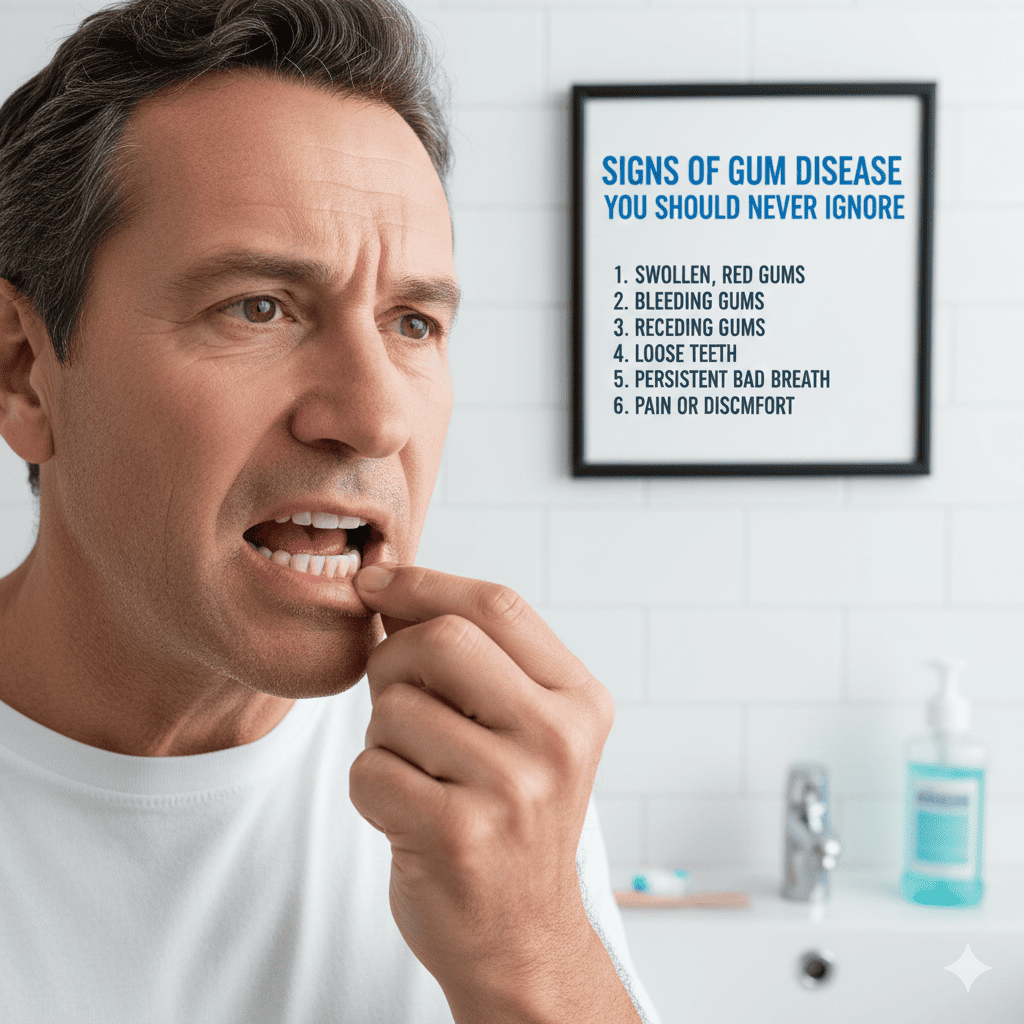
Signs of Gum Disease You Should Never Ignore

Gum disease is one of the most common oral health issues worldwide, yet it’s also one of the most frequently overlooked. Many people mistake early symptoms of gum disease for harmless irritation or normal aging—when in reality, ignoring the warning signs can lead to serious, long-term damage. At The Dental Place, we believe that education is the first step in prevention. Understanding the symptoms of gum disease empowers you to act early, protect your smile, and maintain a healthy mouth for life.

If you’ve noticed any changes in your gums recently, here are the major signs of gum disease you should never ignore.

What Is Gum Disease?

Gum disease—also known as periodontal disease—is an infection of the tissues that support your teeth. It typically begins with plaque buildup along the gumline. Without proper brushing, flossing, and routine dental care, this plaque hardens into tartar and triggers inflammation.

Gum disease begins as gingivitis (mild inflammation) and can progress to periodontitis, a more serious condition that damages the gums, bone, and ligaments that hold your teeth in place.

The good news? Gum disease is highly treatable in its early stages. But once it advances, the damage can become irreversible.

  1. Red, Swollen, or Tender Gums

Healthy gums should appear firm and pink. If your gums look red or feel swollen and tender, it may be a sign of inflammation caused by plaque buildup.

Swelling often means your immune system is responding to bacteria beneath the gumline. While a bit of irritation may seem harmless, persistent gum inflammation is an early indicator of gingivitis—and it shouldn’t be ignored.

  1. Bleeding Gums

Many people dismiss bleeding gums as “normal,” especially during brushing or flossing. But contrary to popular belief, bleeding is not normal—it is one of the earliest and most obvious signs of gum disease.

Bleeding occurs when plaque and bacteria irritate the gum tissue. If you notice blood in the sink regularly, it’s time to schedule an exam at The Dental Place. Early treatment can reverse gingivitis before it progresses.

  1. Persistent Bad Breath or Bad Taste

Halitosis (chronic bad breath) can be embarrassing, but it’s also a warning sign of gum disease. Bacteria trapped in gum pockets release toxins and odors that brushing alone cannot remove.

If you find that bad breath persists even with good oral hygiene, mouthwash, and regular brushing, gum disease may be the cause. Advanced cleaning by a dental professional can help eliminate bacterial buildup.

  1. Receding Gums

When gums begin to pull away from the teeth, it creates pockets where bacteria can thrive. This recession often makes teeth look longer and may cause sensitivity.

Gum recession is a hallmark of progressing gum disease and requires professional intervention. If caught early, treatment can prevent further tissue loss and protect the roots of your teeth.

  1. Tooth Sensitivity

Do hot or cold foods suddenly feel uncomfortable? Gum disease can expose sensitive areas of your teeth by wearing away gum tissue.

While sensitivity can have other causes (such as enamel erosion), it is often linked to early periodontal issues. Sensitivity that persists or worsens is worth evaluating.

  1. Loose or Shifting Teeth

If gum disease progresses, it attacks the bone and connective tissue that support your teeth. As this support weakens, teeth may begin to loosen or shift.

You may notice:

  • Changes in your bite
  • Gaps developing between teeth
  • Difficulty chewing
  • Teeth wobbling slightly

These symptoms indicate advanced periodontitis and require urgent care to prevent tooth loss.

  1. Pus Between the Teeth and Gums

Pus or a white-yellow discharge is a sign of infection, caused by bacteria trapped deep in gum pockets. This indicates an advanced stage of gum disease and may be accompanied by swelling, pain, or pressure.

Pus should never be ignored—immediate dental treatment is needed to prevent the infection from spreading.

  1. Pain While Chewing

Discomfort when biting or chewing may indicate inflammation or infection around the tooth’s supporting structures. As gum disease advances, it can make chewing painful due to shifting teeth or exposed roots.

Pain during chewing is often a late-stage symptom and should be evaluated as soon as possible.

Why Early Detection Matters

Untreated gum disease can lead to:

  • Tooth loss
  • Bone deterioration
  • Receding gums
  • Chronic infection
  • Increased risk of heart disease and diabetes complications
  • Impact on overall health

The earlier gum disease is diagnosed, the easier it is to treat. Gingivitis can often be reversed with professional cleaning and improved home care. Advanced stages require more specialized treatments, such as scaling, root planing, or periodontal therapy.

Protect Your Smile at The Dental Place

If you’ve noticed any of these symptoms—even mild ones—it’s important to schedule a dental evaluation. At The Dental Place, our experienced team uses advanced tools to diagnose, treat, and prevent gum disease at every stage.

Your gums are the foundation of your smile. Don’t ignore the signs your body is giving you.

Book your periodontal checkup today and take the first step toward healthier gums and a lasting smile.
Children Dental

Thumb Sucking: When It Becomes a Problem

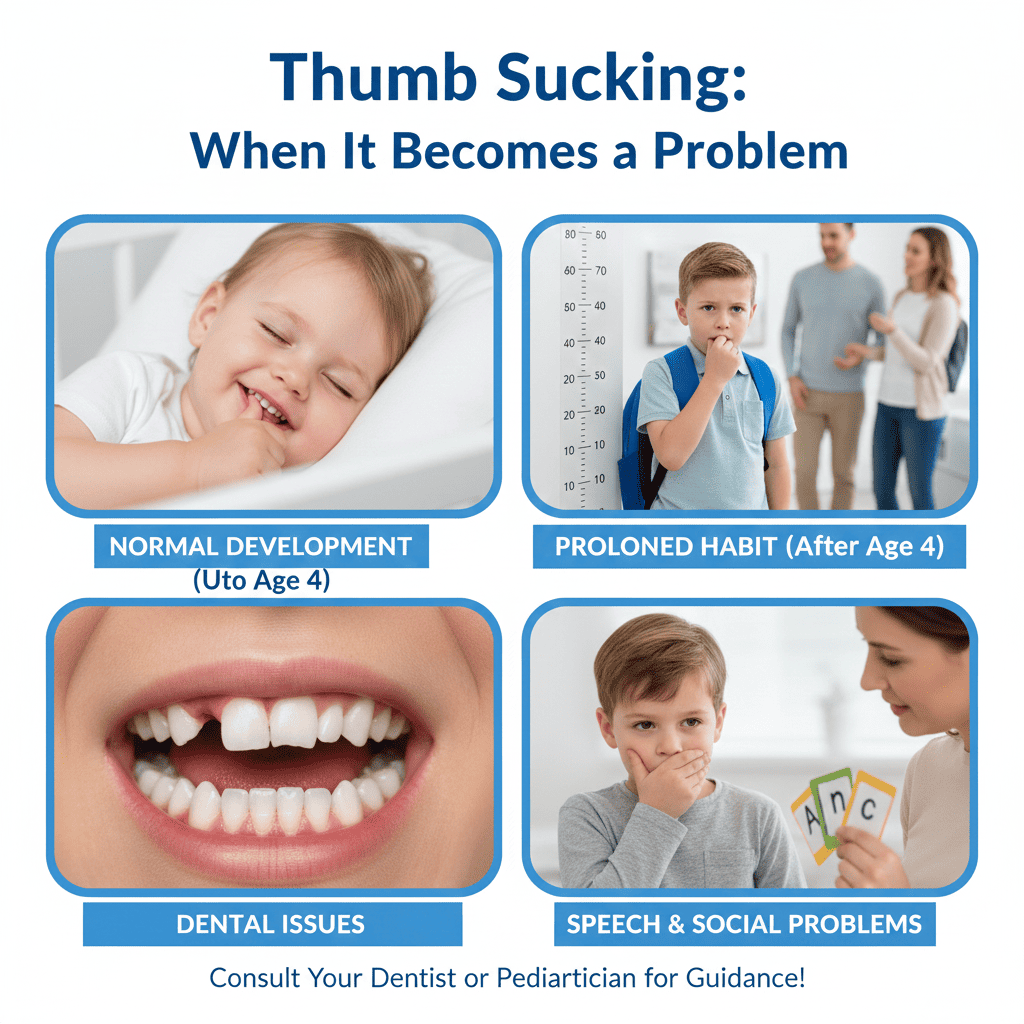
Thumb sucking is one of the most common soothing habits among young children. It helps babies feel secure, relaxed, and comforted—especially during sleep or stressful moments. In fact, thumb sucking is completely normal during infancy and early childhood. However, when the habit persists for too long, it can begin to affect dental development, speech, and facial growth. At The Dental Place, we help parents understand when thumb sucking stops being harmless and becomes a concern that needs attention.

If you’re wondering whether your child’s thumb sucking is normal or potentially problematic, here’s what you need to know.

Why Children Suck Their Thumb

Thumb sucking is a natural reflex that begins even before birth. Many babies are seen sucking their thumb on prenatal ultrasounds, and for some, this habit continues well into childhood. Children may suck their thumb for several reasons:

  • Comfort and security
  • Self-soothing during stress or fatigue
  • To fall asleep
  • Habitual behavior developed in infancy

While occasional thumb sucking is harmless, frequency and intensity make all the difference.

When Does Thumb Sucking Become a Problem?

Most children stop thumb sucking on their own between ages 2 and 4. However, if the habit continues beyond this age—or becomes aggressive—it can begin to interfere with normal dental development. The key factors dentists evaluate are:

  1. Age

Thumb sucking after the age of 4 or 5 is more likely to cause orthodontic problems because the jaw and teeth are rapidly developing during this time.

  1. Intensity

Passive thumb sucking, where the thumb gently rests in the mouth, is less harmful. Aggressive thumb sucking, which involves strong sucking or pressure, poses a greater risk.

  1. Frequency and Duration

Even gentle sucking can affect teeth if it happens frequently or for long periods, particularly during sleep.

How Thumb Sucking Affects Dental Development

When thumb sucking persists too long or is forceful, several dental issues may arise:

  1. Misaligned Teeth

Continuous pressure from the thumb can push developing teeth out of their natural position. This can lead to:

  • Overbites
  • Open bites
  • Crooked front teeth

These issues often require orthodontic treatment later.

  1. Changes in Jaw Growth

The upper jaw may become narrow or improperly shaped due to constant thumb pressure. This can affect the bite and the alignment of adult teeth.

  1. Speech Difficulties

Some children develop speech problems, such as lisping, due to changes in tooth alignment or tongue placement caused by prolonged thumb sucking.

  1. Altered Facial Development

In severe cases, long-term thumb sucking can influence facial structure, leading to a longer, narrower face or changes in lip posture.

Signs That Thumb Sucking Is Causing Issues

Parents should watch for these signs that the habit may be affecting their child’s oral health:

  • Difficulty biting or chewing properly
  • Noticeable changes in tooth alignment
  • Gaps between upper and lower teeth when the mouth is closed
  • Forward thrust of the front teeth
  • Frequent thumb sucking during the day or at bedtime
  • Increased speech difficulties

If any of these symptoms appear, it’s time to consult a dentist for guidance.

How to Help Your Child Break the Habit

Breaking thumb sucking can be challenging, especially if the habit provides emotional comfort. However, with patience and the right strategies, most children can successfully stop. Here are some helpful approaches recommended by experts at The Dental Place:

  1. Offer Positive Reinforcement

Praise your child for not sucking their thumb. Small rewards, stickers, or goal charts can motivate them to keep going.

  1. Identify Triggers

Understanding what triggers the sucking—stress, tiredness, boredom—allows you to address the root cause.

  1. Provide Alternatives

Give your child comforting substitutes such as a stuffed toy, blanket, or stress ball.

  1. Use Gentle Reminders

Avoid scolding or criticism. Instead, gently remind your child when you notice the habit.

  1. Create a Bedtime Plan

Since many children suck their thumb while falling asleep, try calming bedtime routines like reading stories or soothing music.

  1. Consider Dental Appliances

For older children or those struggling to quit, your dentist may recommend a custom thumb-guard appliance that gently discourages the habit.

When to Seek Help from a Dentist

If your child’s thumb sucking continues past age 4, becomes aggressive, or begins affecting their teeth, it’s important to schedule a dental evaluation. At The Dental Place, we can assess your child’s oral development, identify early signs of misalignment, and recommend personalized strategies to help break the habit gently and effectively.

Support Your Child’s Smile with The Dental Place

Thumb sucking is a normal part of childhood, but knowing when it becomes a problem can protect your child’s developing smile. With early intervention and caring guidance, most kids can overcome the habit successfully.

If you’re concerned about your child’s thumb sucking or want professional advice, The Dental Place is here to help. Book an appointment today and give your child the healthy smile they deserve.