
Children Dental

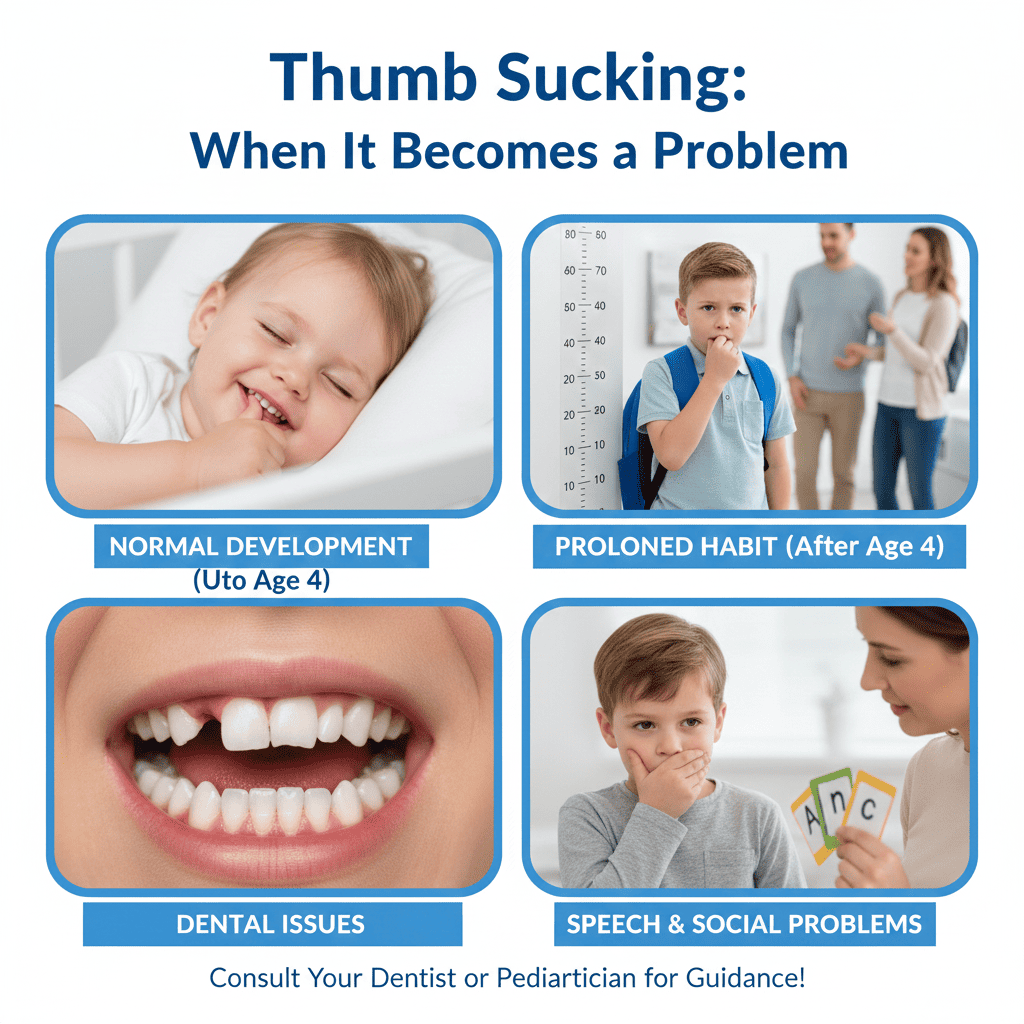
Thumb Sucking: When It Becomes a Problem

Thumb sucking is one of the most common soothing habits among young children. It helps babies feel secure, relaxed, and comforted—especially during sleep or stressful moments. In fact, thumb sucking is completely normal during infancy and early childhood. However, when the habit persists for too long, it can begin to affect dental development, speech, and facial growth. At The Dental Place, we help parents understand when thumb sucking stops being harmless and becomes a concern that needs attention.

If you’re wondering whether your child’s thumb sucking is normal or potentially problematic, here’s what you need to know.

Why Children Suck Their Thumb

Thumb sucking is a natural reflex that begins even before birth. Many babies are seen sucking their thumb on prenatal ultrasounds, and for some, this habit continues well into childhood. Children may suck their thumb for several reasons:

  • Comfort and security
  • Self-soothing during stress or fatigue
  • To fall asleep
  • Habitual behavior developed in infancy

While occasional thumb sucking is harmless, frequency and intensity make all the difference.

When Does Thumb Sucking Become a Problem?

Most children stop thumb sucking on their own between ages 2 and 4. However, if the habit continues beyond this age—or becomes aggressive—it can begin to interfere with normal dental development. The key factors dentists evaluate are:

  1. Age

Thumb sucking after the age of 4 or 5 is more likely to cause orthodontic problems because the jaw and teeth are rapidly developing during this time.

  1. Intensity

Passive thumb sucking, where the thumb gently rests in the mouth, is less harmful. Aggressive thumb sucking, which involves strong sucking or pressure, poses a greater risk.

  1. Frequency and Duration

Even gentle sucking can affect teeth if it happens frequently or for long periods, particularly during sleep.

How Thumb Sucking Affects Dental Development

When thumb sucking persists too long or is forceful, several dental issues may arise:

  1. Misaligned Teeth

Continuous pressure from the thumb can push developing teeth out of their natural position. This can lead to:

  • Overbites
  • Open bites
  • Crooked front teeth

These issues often require orthodontic treatment later.

  1. Changes in Jaw Growth

The upper jaw may become narrow or improperly shaped due to constant thumb pressure. This can affect the bite and the alignment of adult teeth.

  1. Speech Difficulties

Some children develop speech problems, such as lisping, due to changes in tooth alignment or tongue placement caused by prolonged thumb sucking.

  1. Altered Facial Development

In severe cases, long-term thumb sucking can influence facial structure, leading to a longer, narrower face or changes in lip posture.

Signs That Thumb Sucking Is Causing Issues

Parents should watch for these signs that the habit may be affecting their child’s oral health:

  • Difficulty biting or chewing properly
  • Noticeable changes in tooth alignment
  • Gaps between upper and lower teeth when the mouth is closed
  • Forward thrust of the front teeth
  • Frequent thumb sucking during the day or at bedtime
  • Increased speech difficulties

If any of these symptoms appear, it’s time to consult a dentist for guidance.

How to Help Your Child Break the Habit

Breaking thumb sucking can be challenging, especially if the habit provides emotional comfort. However, with patience and the right strategies, most children can successfully stop. Here are some helpful approaches recommended by experts at The Dental Place:

  1. Offer Positive Reinforcement

Praise your child for not sucking their thumb. Small rewards, stickers, or goal charts can motivate them to keep going.

  1. Identify Triggers

Understanding what triggers the sucking—stress, tiredness, boredom—allows you to address the root cause.

  1. Provide Alternatives

Give your child comforting substitutes such as a stuffed toy, blanket, or stress ball.

  1. Use Gentle Reminders

Avoid scolding or criticism. Instead, gently remind your child when you notice the habit.

  1. Create a Bedtime Plan

Since many children suck their thumb while falling asleep, try calming bedtime routines like reading stories or soothing music.

  1. Consider Dental Appliances

For older children or those struggling to quit, your dentist may recommend a custom thumb-guard appliance that gently discourages the habit.

When to Seek Help from a Dentist

If your child’s thumb sucking continues past age 4, becomes aggressive, or begins affecting their teeth, it’s important to schedule a dental evaluation. At The Dental Place, we can assess your child’s oral development, identify early signs of misalignment, and recommend personalized strategies to help break the habit gently and effectively.

Support Your Child’s Smile with The Dental Place

Thumb sucking is a normal part of childhood, but knowing when it becomes a problem can protect your child’s developing smile. With early intervention and caring guidance, most kids can overcome the habit successfully.

If you’re concerned about your child’s thumb sucking or want professional advice, The Dental Place is here to help. Book an appointment today and give your child the healthy smile they deserve.

Children Oral

Kids and Cavities: How to Raise Cavity-Free Children

Cavities are one of the most common chronic childhood conditions, yet they are entirely preventable. At The Dental Place, we believe that starting healthy dental habits early sets the foundation for a lifetime of strong, cavity-free smiles. Here’s our guide to understanding cavities in children and how you can help your little ones avoid them.

What Causes Cavities?

Cavities, or dental caries, are the result of tooth decay caused by a combination of factors:

  • Bacteria: Harmful bacteria in the mouth feed on sugars and produce acid, which erodes tooth enamel.
  • Sugary Diets: Frequent consumption of sugary or starchy foods fuels the growth of cavity-causing bacteria.
  • Poor Oral Hygiene: Inadequate brushing and flossing allow plaque to build up and create an environment for decay.

The Importance of Early Dental Care

Healthy baby teeth are critical for chewing, speaking, and guiding permanent teeth into place. Early dental care prevents problems that could affect a child’s oral and overall health. Regular visits to the dentist can catch potential issues early and set the stage for a positive attitude toward dental care.

Tips for Raising Cavity-Free Kids

  1. Start Early

Dental care should begin as soon as your baby’s first tooth appears. Wipe their gums with a soft, damp cloth and gently brush their teeth with a small, soft-bristled toothbrush.

  1. Establish a Routine

Teach your child to brush twice daily and floss once a day. Use fluoride toothpaste and ensure they brush for at least two minutes.

  1. Encourage a Healthy Diet

Limit sugary snacks and beverages, and encourage your child to drink water throughout the day. Fresh fruits, vegetables, dairy products, and whole grains support oral health.

  1. Regular Dental Visits

Schedule your child’s first dental visit by their first birthday or when their first tooth erupts. Regular check-ups every six months allow the dentist to monitor their oral health and provide preventive treatments like fluoride applications or sealants.

  1. Use Fluoride Wisely

Fluoride strengthens enamel and makes teeth more resistant to decay. Ensure your child drinks fluoridated water and uses fluoride toothpaste. Consult your dentist about additional fluoride treatments if necessary.

  1. Make Oral Hygiene Fun

Turn brushing and flossing into a fun activity with games, colorful toothbrushes, or favorite songs. Positive reinforcement, like stickers or rewards, can motivate kids to stick to their routine.

Recognizing the Signs of Cavities

Despite your best efforts, cavities can sometimes develop. Watch for these signs:

  • Tooth sensitivity to hot, cold, or sweet foods
  • Visible holes or dark spots on teeth
  • Pain when chewing
  • Persistent bad breath

If you notice any of these symptoms, schedule a dental appointment promptly.

The Role of Sealants and Preventive Treatments

Dental sealants are a protective coating applied to the chewing surfaces of molars to prevent cavities. They are especially effective for children with deep grooves in their teeth that are hard to clean thoroughly. Your dentist can recommend sealants and other preventive measures based on your child’s individual needs.

Be a Role Model

Children learn by example. Show them that you value oral hygiene by brushing and flossing regularly and attending your own dental appointments. Your commitment to your oral health will inspire them to follow suit.

Final Thoughts

Raising cavity-free kids requires a combination of healthy habits, regular dental care, and proactive prevention. At The Dental Place, we’re here to partner with you in protecting your child’s smile. Schedule an appointment today, and let’s work together to keep those tiny teeth healthy and strong!

Children

How Children’s Dentistry Can Prevent Future Orthodontic Issues

As parents, ensuring our children’s overall health is a top priority—and oral health is a key part of that. What many don’t realize is that proactive children’s dentistry not only helps protect young smiles but also plays a crucial role in preventing future orthodontic issues. By starting dental care early, we can guide the development of your child’s teeth and jaws, reducing the chances of braces or other corrective treatments later in life.

At The Dental Place, we are passionate about educating parents on how preventive dental care for children can make a lifelong difference in their oral health. Here’s how early dental care can help prevent future orthodontic issues:

  1. Early Detection of Developmental Problems

One of the most important aspects of children’s dentistry is regular check-ups, which allow our pediatric dentists to monitor the development of your child’s teeth and jaw. Identifying issues such as crowding, improper bite alignment (malocclusion), or jaw growth discrepancies at a young age gives us the opportunity to address them before they become more serious.

For instance, if we notice that your child’s teeth are coming in crooked or there’s not enough space for future teeth, we can intervene with early orthodontic strategies like space maintainers, which reduce the need for extensive orthodontic work later.

  1. Preventing Tooth Decay and Premature Tooth Loss

Cavities and decay are common issues in children, but they can also impact the alignment of permanent teeth. When a baby tooth is lost prematurely due to decay or injury, it can cause the neighbouring teeth to shift into the empty space. This shift can result in misalignment, overcrowding, and bite issues when adult teeth begin to emerge.

By focusing on cavity prevention and timely treatment of any dental decay, children’s dentistry helps preserve the natural alignment of the teeth, reducing the need for future orthodontic correction.

  1. Guiding Proper Jaw Growth

Pediatric dentists can also help ensure your child’s jaws are growing in the right way. Sometimes, children develop habits like thumb sucking, mouth breathing, or tongue thrusting, which can affect the way their jaws develop. These habits can lead to open bites, crossbites, or overbites—conditions that may require extensive orthodontic treatment if left unchecked.

Through patient education, regular monitoring, and sometimes the use of appliances, we can gently guide your child’s jaws to grow correctly. This reduces the risk of developing serious bite issues that may require corrective surgery or long-term braces.

  1. Promoting Healthy Oral Habits

Good oral hygiene practices established early in life can go a long way in preventing future dental and orthodontic problems. At Dental Place, we believe in educating both children and parents on the importance of proper brushing, flossing, and diet to maintain healthy teeth and gums. When kids are taught the importance of taking care of their teeth from a young age, they are less likely to develop cavities, gum disease, or the need for extensive dental work.

By building these habits early on, you’re helping your child prevent the need for more serious dental interventions, including braces.

  1. Interceptive Orthodontics

In some cases, early orthodontic treatment, also known as interceptive orthodontics, can help prevent severe orthodontic issues in the future. This type of treatment is typically started around the age of 6-10 years old and focuses on correcting bite or spacing issues before they become more pronounced.

For example, a pediatric dentist may recommend a palate expander to widen the upper jaw if there’s a risk of crowding. Early orthodontic intervention like this can prevent the need for more complex treatment like tooth extractions or extensive braces as your child gets older.

  1. The Role of Regular Check-Ups and Cleanings

Routine dental visits every six months ensure that your child’s teeth and jaw development are on track. During these visits, our team at The Dental Place will clean your child’s teeth to remove plaque and tartar, which can contribute to gum disease and tooth decay if left untreated. We also take X-rays when necessary to monitor the growth of teeth and jaws, so we can catch and address any issues early on.

This proactive approach to oral care not only keeps your child’s teeth healthy in the present but also reduces the likelihood of needing orthodontic treatment in the future.

Conclusion: The Long-Term Benefits of Preventive Children’s Dentistry

At Dental Place, we understand that every child is different, which is why we offer personalized care to meet your child’s specific dental needs. By starting dental care early and maintaining regular check-ups, we can ensure that your child’s teeth and jaws develop properly, minimizing the need for costly and complex orthodontic treatments later in life.

If you’re interested in learning more about how children’s dentistry can prevent future orthodontic issues or want to schedule your child’s next appointment, contact us at The Dental Place today. Together, we’ll help your child achieve a healthy, beautiful smile for life!